Three quarters of workers not on track for 'moderate' pension income, report suggests
Pensions UK says only 23% of workers are on track for a moderate retirement income, as higher costs push up savings targets.
Intelligence analysis by GPT-5.4 Mini

A pensions trade body says most workers are falling short of retirement income levels it classifies as moderate or comfortable. The warning lands as rising living costs lift the amount people may need in retirement.
This report says many people are not putting away enough money for old age. It is like trying to fill a suitcase before a long trip, but most people are only packing enough for a short weekend.
Analysis
What the report says
Pensions UK says too many workers are headed for a sharp drop in income when they retire. Its new analysis suggests just 23% of the working population are on course for what it calls a “moderate” retirement lifestyle, while 82% are on track only for the basic “minimum” standard. Only 9% are projected to reach a “comfortable” retirement income.
The report puts the annual cost of a moderate lifestyle at about £32,700 for one person and £45,400 for two people. A minimum lifestyle is estimated at £13,900 for a single person and £22,500 for a couple. A comfortable retirement is put at £45,400 for one person and £62,700 for two.
Why the numbers have moved
Pensions UK says the required incomes have risen compared with a year ago, mainly because food and socialising have become more expensive. It says the increases are broadly in line with inflation, though housing costs are excluded from the standard calculations.
The standards are maintained independently by the Centre for Research in Social Policy at Loughborough University and are meant as a guide for retirement planning, not a fixed rule for everyone.
The policy backdrop
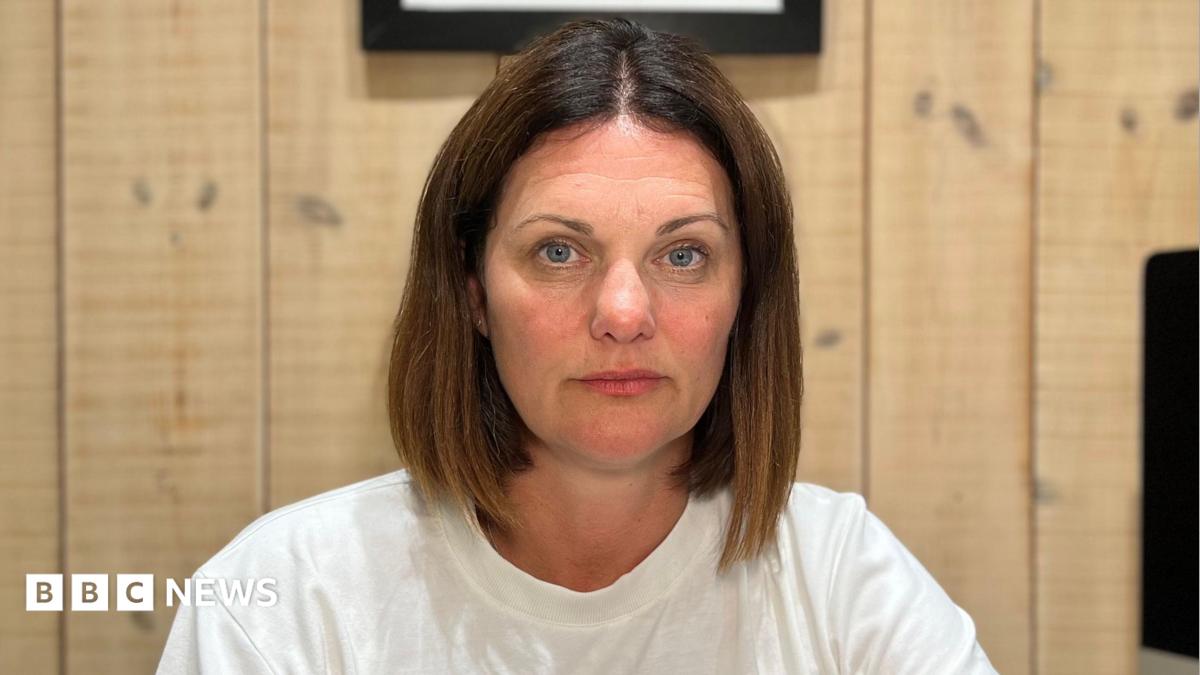
Zoe Alexander of Pensions UK warned that many people risk a “cliff-edge drop in income” when they stop work. The group says workers, employers and government may all need to do more to encourage retirement saving.
The report lands alongside a wider policy debate. The government has revived the Turner Pension Commission, echoing the 2006 review that helped lead to automatic enrolment. Ministers have also said people retiring in 25 years could be worse off than those retiring today. The article also notes a gender gap: women have about half the pension savings of men, and a separate AJ Bell analysis found women start to lag men at age 28.
Key points
- Only 23% of workers are on track for a moderate retirement income, Pensions UK says.
- The report estimates a moderate retirement lifestyle costs £32,700 a year for one person and £45,400 for a couple.
- It says 82% of workers are on track only for a minimum standard, while 9% reach a comfortable one.
- Rising food and socialising costs helped lift retirement income estimates from a year ago.
- Pensions UK says workers, employers and government may all need to do more to boost saving.
If the warning prompts action, more workers could save enough to avoid a steep fall in income after retirement. The report could also push employers and government to strengthen the systems that help people save automatically.
If nothing changes, most workers may still retire with only a basic income and struggle to afford the kind of retirement they expect. Higher living costs could keep pushing savings targets up faster than people can keep pace.