Tiananmen Square vigil organisers in Hong Kong found guilty of ‘inciting subversion’
Two Hong Kong activists, Lee Cheuk-yan and Chow Hang-tung, have been found guilty of "incitement to subversion" for organizing annual Tiananmen Square vigils, a verdict under Beijing's national security law that carries a maximum 10-year jail sentence.
Intelligence analysis by Gemini 2.5 Flash
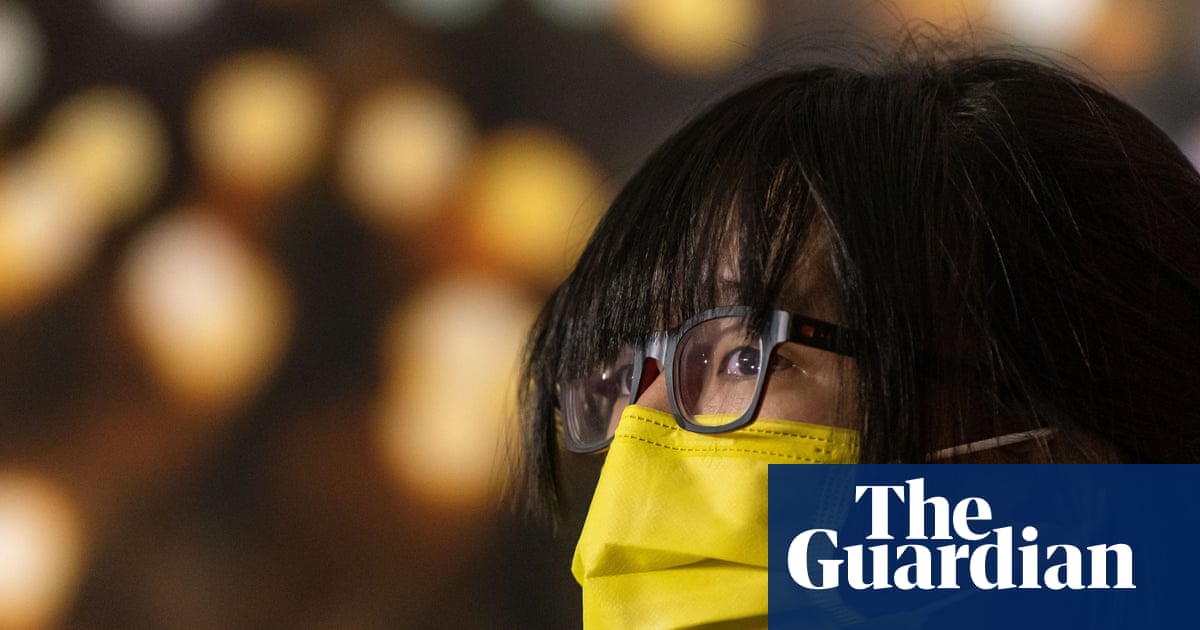
The conviction of Lee Cheuk-yan and Chow Hang-tung, leaders of the now-disbanded Hong Kong Alliance, for "inciting subversion" highlights Beijing's tightening grip on Hong Kong's civil liberties. This ruling effectively bans public commemoration of the 1989 Tiananmen crackdown, with critics arguing the national security law is used to suppress peaceful expression and reshape the city'…
Imagine there's a special day every year where people remember something sad that happened a long time ago. In Hong Kong, two people who helped organize these remembrance gatherings have been found guilty of a serious crime, like trying to cause trouble for the government. It's like the grown-ups in charge are saying that even remembering certain things is now against the rules, and if you do, you could go to jail for a long time.
Analysis
The conviction of veteran activists Lee Cheuk-yan and Chow Hang-tung marks a significant escalation in Beijing's efforts to suppress dissent and reshape Hong Kong's political landscape. Their guilty verdict for "incitement to subversion" under the national security law, imposed in 2020, effectively criminalizes acts of remembrance for the 1989 Tiananmen Square crackdown, a practice once uniquely permitted in Hong Kong and Macau on Chinese soil. This legal action underscores a broader strategy to dismantle civil society organizations and silence critical voices that challenge the Chinese Communist Party's authority. The case highlights the stark contrast between the freedoms promised to Hong Kong under the "one country, two systems" framework and the current reality of diminishing autonomy.
Lee Cheuk-yan
Lee Cheuk-yan, a 69-year-old veteran activist, along with Chow Hang-tung, faced charges related to their leadership roles in the now-disbanded Hong Kong Alliance. Their trial, which spanned 24 days, culminated in a verdict that could see them imprisoned for up to 10 years. Lee's solemn demeanor in court, contrasted with his heart-shaped gesture to supporters, symbolized the defiance and despair felt by many in the city.
His conviction, alongside Chow's, is not merely a legal outcome but a political statement from Beijing, signaling that even symbolic acts of remembrance are now deemed a threat to state power. The court's finding that the defendants "intended to cause others to lose confidence in the Chinese Communist party by stirring up hostility and causing division" illustrates the broad interpretation of "subversion" under the national security law. This interpretation effectively criminalizes any expression that could be perceived as critical of the ruling party, regardless of its peaceful intent.
Hong Kong Alliance
The Hong Kong Alliance, the organization at the heart of this case, was responsible for organizing the annual Tiananmen Square vigils, which for decades served as a poignant reminder of the 1989 crackdown. Its disbandment and the subsequent conviction of its leaders represent a critical blow to Hong Kong's civil society. The Alliance's slogan, "end to one-party rule," was central to the prosecution's argument, demonstrating how historical calls for political reform are now being recontextualized as subversive acts.
The dismantling of such a prominent pro-democracy group, coupled with the imprisonment of its key figures, sends a chilling message to other organizations and individuals who might consider advocating for greater freedoms. Critics, including Amnesty International, argue that the case relies on "vague, overly broad and arbitrary definitions of ‘subversion’," making it difficult for any group to operate without fear of prosecution. This systematic suppression has led to the detention or flight of most of the city's opposition leaders, fundamentally altering Hong Kong's political landscape.
1984 Sino-British joint declaration
The UK Foreign Office, through its Indo-Pacific minister Rosie Winteron, condemned the verdict, stating it "undermines the commitments China made to Hong Kong under the 1984 Sino-British joint declaration." This declaration was the foundational agreement that outlined the "one country, two systems" framework, promising Hong Kong a high degree of autonomy and political freedoms for 50 years after its handover in 1997. The current legal actions, particularly under the national security law, are widely seen as a direct breach of these international commitments.
The international community's reaction, including calls for the repeal of the national security law, highlights the global concern over Hong Kong's diminishing autonomy and the erosion of its rule of law. The ongoing legal battles and the suppression of civil liberties not only impact Hong Kong residents but also challenge the principles of international agreements and human rights. The situation in Hong Kong serves as a critical test case for how international law and human rights are upheld in the face of assertive state power.
Key points
- Hong Kong activists Lee Cheuk-yan and Chow Hang-tung were found guilty of "incitement to subversion" under the national security law.
- The charges stem from their roles in organizing annual vigils commemorating the 1989 Tiananmen Square crackdown.
- The defendants, leaders of the now-disbanded Hong Kong Alliance, face a maximum penalty of 10 years in jail.
- The UK Foreign Office condemned the verdict, stating it undermines commitments made under the 1984 Sino-British joint declaration.
- Critics argue the national security law is being used to suppress peaceful expression and dismantle civil society in Hong Kong.
The convictions signal a further tightening of control by Beijing over Hong Kong, likely leading to more arrests and the complete suppression of any public dissent or remembrance of historical events deemed sensitive. This could accelerate the erosion of Hong Kong's unique freedoms and civil society, pushing more pro-democracy figures into exile or imprisonment and further isolating the city from international norms.