Tiger Beer employees gear up for a bittersweet final brew
Tiger Beer employees are preparing for a bittersweet final brew as the company relocates its operations abroad. The decision was driven by ageing brewing and packaging equipment at the Tuas facility, which would cost about as much as building a new brewery in Singapore. A…
Intelligence analysis by Llama
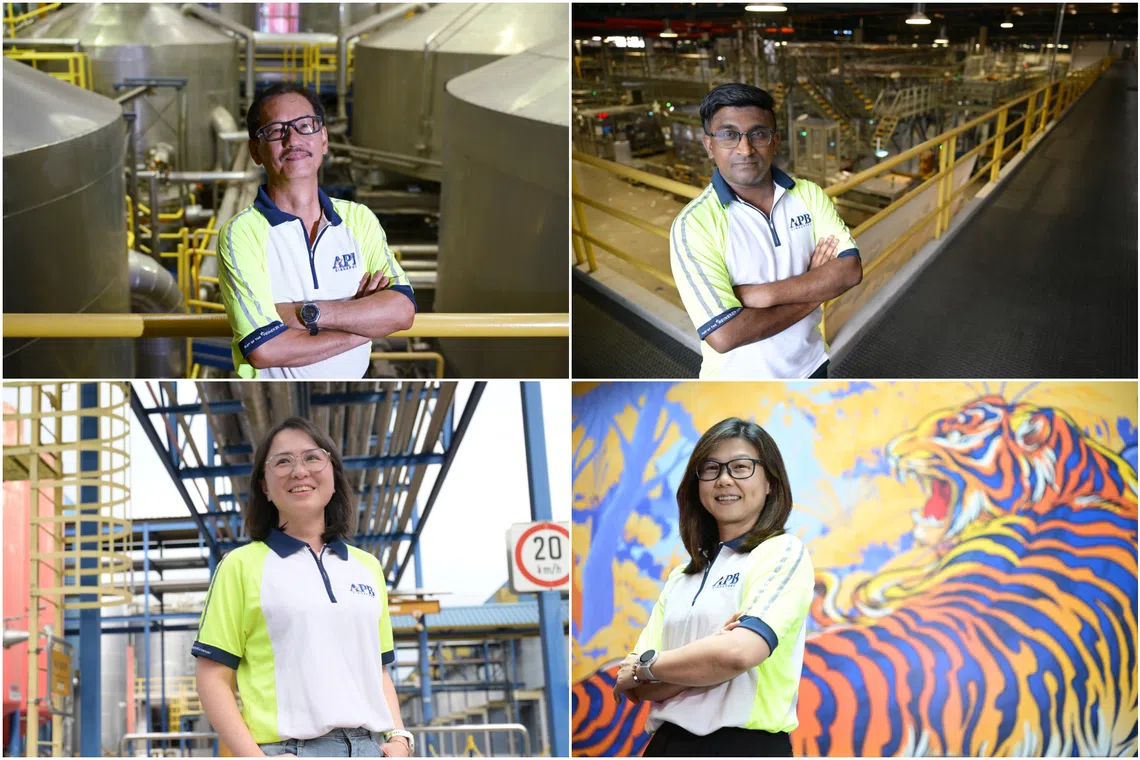
Tiger Beer employees are facing a bittersweet end as the company relocates its operations abroad. The decision was driven by ageing equipment, and about 130 production workers will lose their jobs. The employees are reflecting on what it means to leave behind a brand that has shaped their working lives and sense of identity.
Imagine you're working at a factory that makes your favorite beer. You've been doing it for a long time and it's become a part of your life. But one day, the company decides to move the factory to another country. You'll have to leave your job and say goodbye to the place where you've spent so many years. That's what's happening to the employees of Tiger Beer in Singapore.
Analysis
A Legacy of Brewing in Singapore
Tiger Beer has been a part of Singapore's history since 1932, growing alongside the nation to become one of its most recognisable exports. The brand has been brewed in Singapore for over 90 years, with the Tuas facility being the site of its operations. The employees who have worked at the brewery have become an integral part of the company's identity, with many having spent their entire careers there.
A Bittersweet Goodbye
The decision to relocate the operations was driven by the ageing brewing and packaging equipment at the Tuas facility. Replacing the machinery would cost about as much as building a new brewery in Singapore. The move has sparked debate over whether Singapore's most famous beer will lose its identity if it is no longer brewed here. However, industry experts and employees believe that the essence of Tiger Beer remains secure.
A Community in Transition
The relocation of the operations will affect about 130 production workers, including 50 foreigners. The employees are reflecting on what it means to leave behind a brand that has shaped their working lives and sense of identity. For Thomas Heng, a 64-year-old senior technical officer, the decision is bittersweet. He has spent 42 years with APBS, longer than many in the country have been old enough to drink Tiger Beer. He began as a tank cleaner and has progressed to become one of the most experienced employees in the brewery.
A Legacy Lives On
Despite the relocation of the operations, the legacy of Tiger Beer in Singapore will live on. The brand has become an integral part of the country's identity, and its employees have played a significant role in shaping its history. The relocation of the operations marks the end of an era for the company and its employees, but it also highlights the challenges faced by local industries in adapting to changing circumstances.
Key points
- Tiger Beer is relocating its operations from Singapore to Malaysia and Vietnam.
- About 130 production workers will lose their jobs, including 50 foreigners.
- The decision was driven by ageing brewing and packaging equipment at the Tuas facility.
- The relocation of the operations will affect the employees who have dedicated their careers to the brand.
- The legacy of Tiger Beer in Singapore will live on despite the relocation of the operations.
The relocation of Tiger Beer's operations could lead to new opportunities for the employees who will be affected. They may be able to find new jobs in the industry or start their own businesses. Additionally, the company may be able to reduce its costs and improve its efficiency by relocating its operations.
The relocation of Tiger Beer's operations could lead to job losses and economic disruption for the affected employees. It may also damage the brand's reputation and lead to a loss of customer loyalty. Furthermore, the company may struggle to adapt to the changing market and consumer preferences.