TikTok facing UK investigation amid fears over age checks and harm to children
The UK's online regulator, Ofcom, has launched a formal investigation into TikTok over concerns it has failed to protect children from harmful content. The investigation comes as the UK government prepares to launch a social media ban for under-16s early next year.
Intelligence analysis by Llama
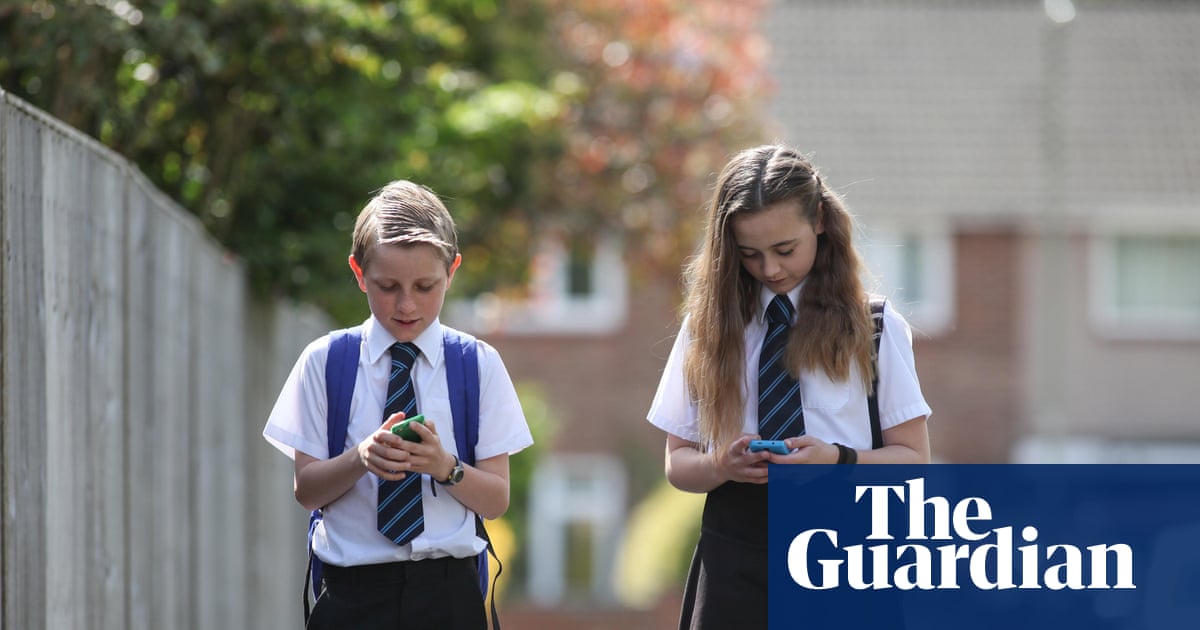
Ofcom is concerned that TikTok's age verification method may not be effective in identifying children, leaving them exposed to posts on suicide, self-harm, and pornography. The regulator has warned that compliance failures could result in fines of up to £18m or 10% of qualifying worldwide revenue.
Imagine you're a kid, and you're on a social media platform like TikTok. You're supposed to be 16 or older, but the platform doesn't always know for sure. This can be a problem, because some people on the platform might be posting things that are not good for kids to see. The UK government is trying to make sure that social media platforms are doing enough to keep kids safe, and that's why they're investigating TikTok.
Analysis
A Failure of Age Verification
The UK's online regulator, Ofcom, has launched a formal investigation into TikTok over concerns that its age verification method may not be effective in identifying children. This is a significant development, as it highlights the need for social media platforms to prioritize child protection and ensure that their age verification methods are effective in preventing children from accessing harmful content.
Ofcom's investigation comes as the UK government prepares to launch a social media ban for under-16s early next year. This ban is a response to growing concerns about the impact of social media on children's mental health and wellbeing. The ban will increase scrutiny of the methods tech companies use for verifying users' ages, and it is likely that Ofcom's investigation will have a significant impact on the way that social media platforms approach age verification.
The Risks of Harmful Content
The investigation highlights the risks of harmful content on social media platforms. Children are exposed to a wide range of content on these platforms, including posts on suicide, self-harm, and pornography. This content can have a significant impact on children's mental health and wellbeing, and it is the responsibility of social media platforms to ensure that they are doing everything they can to prevent children from accessing this content.
The Need for Effective Age Verification
The investigation also highlights the need for effective age verification methods on social media platforms. Ofcom has warned that compliance failures could result in fines of up to £18m or 10% of qualifying worldwide revenue. This is a significant penalty, and it is likely that social media platforms will take the necessary steps to ensure that their age verification methods are effective.
The Road Ahead
The investigation is a significant development, and it is likely to have a significant impact on the way that social media platforms approach age verification. The UK government's ban on social media for under-16s is also a significant development, and it is likely to increase scrutiny of the methods tech companies use for verifying users' ages. As the investigation continues, it will be interesting to see how social media platforms respond to the challenges of age verification and the need to protect children from harmful content.
Key points
- Ofcom has launched a formal investigation into TikTok over concerns that its age verification method may not be effective in identifying children.
- The investigation comes as the UK government prepares to launch a social media ban for under-16s early next year.
- Ofcom has warned that compliance failures could result in fines of up to £18m or 10% of qualifying worldwide revenue.
- The investigation highlights the need for social media platforms to prioritize child protection and ensure that their age verification methods are effective in preventing children from accessing harmful content.
If TikTok is able to improve its age verification method, it could help to prevent children from accessing harmful content on the platform. This could lead to a safer online environment for kids, and it could also help to reduce the risk of children being exposed to content that is not suitable for their age.
If TikTok is unable to improve its age verification method, it could lead to a situation where children are still being exposed to harmful content on the platform. This could have serious consequences for children's mental health and wellbeing, and it could also lead to a loss of trust in social media platforms.