Tokenized stock trading surged 288% in July, but one QQQ token drove most of it
Tokenized stock trading reached a record $11.3 billion in July, a 288% increase, driven primarily by a single QQQ-tied token on Binance, which accounted for 82% of that volume.
Intelligence analysis by Llama
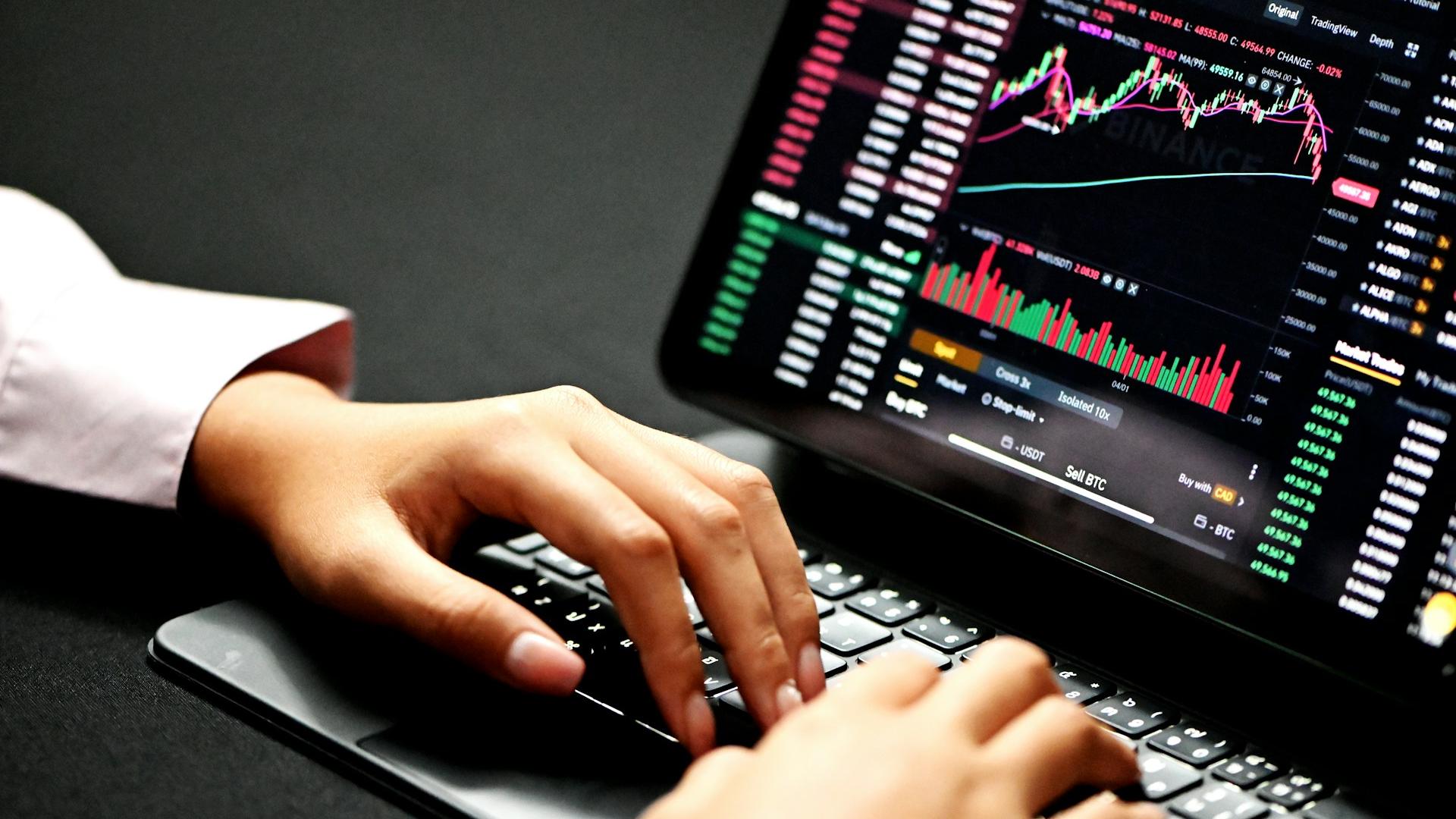
Tokenized stock trading surged 288% in July, driven primarily by a single Binance-linked token, QQQB, which accounted for 82% of the total volume.
Imagine you want to buy a stock, but you can't because the market is closed. Tokenized stocks are like a special kind of stock that you can buy and sell 24/7, even when the market is closed. This is because they are traded on a blockchain, which is like a digital ledger that keeps track of all the trades. One of these tokenized stocks, called QQQB, was really popular in July and made up most of the trading volume. But this also means that if something bad happens to QQQB, it could affect the whole market.
Analysis
A $60B Vote of Confidence
Tokenized stock trading reached a record $11.3 billion in July, a 288% increase, driven primarily by a single QQQ-tied token on Binance, which accounted for 82% of that volume. This surge in trading volume is a testament to the growing appeal of tokenized stocks, which mirror traditional equities on the blockchain. The ability to trade these tokens around the clock, giving non-U.S. users exposure when U.S. markets are closed, is a significant advantage. However, the dominance of a single token, QQQB, raises concerns about market concentration and the potential for volatility. Excluding QQQB, July volume was roughly $2.03 billion, about 30% below the market's implied June total of $2.91 billion. This highlights the importance of diversification in tokenized stock trading.
Why Cursor?
Binance's QQQB saw massive growth due to zero maker fees through August and a new VIP volume multiplier program introduced on July 23. The underlying Invesco QQQ Trust fell 6.6% in July, compared with a 3.2% decline in the Nasdaq Composite and a 0.1% slip in the S&P 500. QQQ traded as much as 10.2% below its June 30 close before rebounding in the final two sessions of the month. AI and semiconductor stocks drove much of the volatility. The iShares Semiconductor ETF dropped 22.1%, its worst month since December 2002, while Micron fell 28.7%, according to MarketWatch.
The Road Ahead
July saw heightened trading volume for the QQQ ETF as volatile AI-related trading, the FOMC meeting, and earnings from big tech drove the rise in trading activities. The appeal of tokenized equities lies in their ability to be traded around the clock, giving non-U.S. users exposure when U.S. markets are closed. However, the dominance of a single token, QQQB, raises concerns about market concentration and the potential for volatility. As the market continues to evolve, it is essential to monitor the impact of these tokens on the broader market and to ensure that they are traded responsibly.
Key points
- Tokenized stock trading reached a record $11.3 billion in July, a 288% increase.
- The surge in trading volume was driven primarily by a single QQQ-tied token on Binance, which accounted for 82% of that volume.
- Excluding QQQB, July volume was roughly $2.03 billion, about 30% below the market's implied June total of $2.91 billion.
- Binance's QQQB saw massive growth due to zero maker fees through August and a new VIP volume multiplier program introduced on July 23.
If the trend of tokenized stock trading continues, it could lead to increased liquidity and more opportunities for investors to trade. Additionally, the growth of tokenized stocks could lead to the development of new financial products and services.
The dominance of a single token, QQQB, raises concerns about market concentration and the potential for volatility. If QQQB were to experience a significant decline, it could have a ripple effect on the broader market.