Tokyo Men Are Encouraged to Wear Shorts to Work, but Some Women Are Unhappy About Seeing Men's Legs
As the summer heat intensifies, Japanese men are increasingly ditching their formal work attire and wearing shorts. The Tokyo government is encouraging companies to adopt a more relaxed dress code, but some women are unhappy about seeing men's legs in the workplace.
Intelligence analysis by Llama
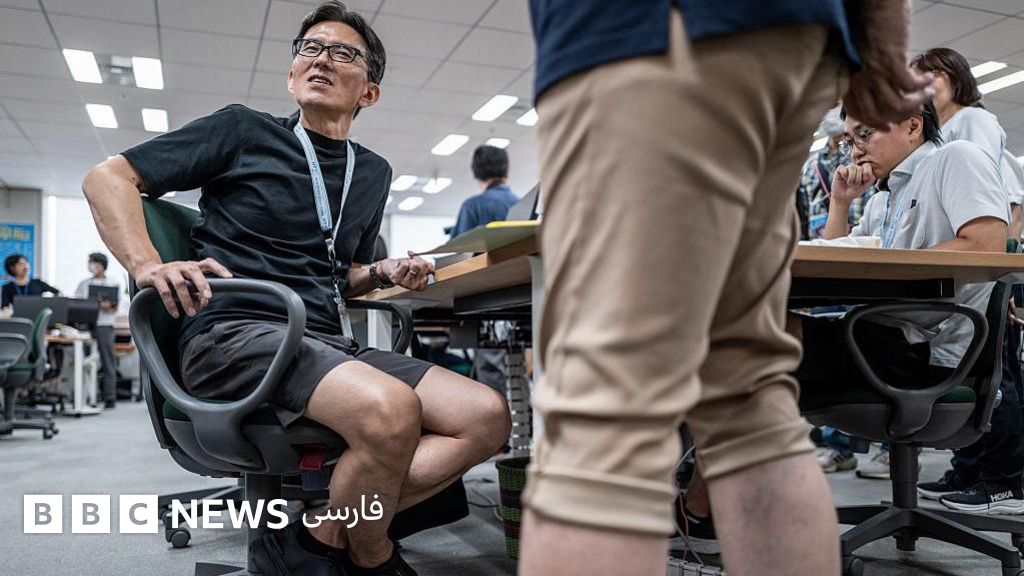
The Tokyo government is encouraging companies to adopt a more relaxed dress code, but some women are unhappy about seeing men's legs in the workplace. The issue has sparked a debate about the cultural norms surrounding body hair and modesty in Japan.
In Japan, some men are wearing shorts to work, but some women are unhappy about seeing men's legs. This is because some women think it's not polite to see men's legs, and it makes them feel uncomfortable. It's like when you're at school and you don't want to see your friends' bare feet.
Analysis
A Cultural Shift in Japan's Workplace Culture
The Tokyo government's encouragement of a more relaxed dress code has sparked a cultural shift in Japan's workplace culture. The traditional formal attire of suits and ties is being replaced by a more casual approach, with many men opting to wear shorts and t-shirts to work. This shift is not only a response to the hot summer weather but also a reflection of the changing values and attitudes of Japanese society.
The Impact on Women's Comfort and Confidence
However, not all women are happy about this shift. Some have expressed discomfort and even anxiety about seeing men's legs in the workplace, citing concerns about body hair and modesty. This reaction highlights the complex and often contradictory attitudes towards body image and modesty in Japan.
A Debate About Cultural Norms
The debate surrounding the dress code has sparked a wider conversation about cultural norms and values in Japan. It raises questions about what is considered acceptable and what is not, and whether these norms are based on tradition, social pressure, or personal preference. As Japan continues to evolve and modernize, its cultural norms and values will also need to adapt and change.
Key points
- The Tokyo government is encouraging companies to adopt a more relaxed dress code
- Some women are unhappy about seeing men's legs in the workplace
- The debate highlights the cultural norms surrounding body hair and modesty in Japan
- The trend could lead to a more relaxed and accepting attitude towards body image and modesty in Japan
If this trend continues, it could lead to a more relaxed and accepting attitude towards body image and modesty in Japan. This could have a positive impact on women's comfort and confidence in the workplace, and could also lead to a more diverse and inclusive culture.
However, if this trend is not managed carefully, it could lead to a backlash against women who are uncomfortable with seeing men's legs. This could create a hostile work environment and could also perpetuate negative attitudes towards women's bodies.


