‘Too little response’ to Russian strikes on Ukraine, Zelenskyy says after latest deadly attacks – Europe live
Ukrainian President Volodymyr Zelenskyy has criticized the international community's 'too little response' to recent deadly Russian strikes, while Germany's Chancellor Merz clashed with AfD leader Alice Weidel over Ukraine policy and migration.
Intelligence analysis by Gemini 2.5 Flash
The latest Russian attacks on Ukraine, which killed two people, have prompted President Zelenskyy to demand a more robust international response, including effective sanctions and support. Simultaneously, a heated debate in the German Bundestag highlighted deep divisions within Europe, as Chancellor Merz defended support for Ukraine against the AfD's calls for policy change and engage…
Imagine two kids fighting, and one keeps hitting the other, but the grown-ups watching aren't doing enough to stop it. That's kind of what's happening in Ukraine, where Russia keeps attacking, and President Zelenskyy is asking other countries to do more to help. At the same time, in Germany, some politicians are arguing about whether to keep helping Ukraine or focus on their own country's problems, showing that even friends can disagree on big issues.
Analysis
Zelenskyy's Urgent Plea
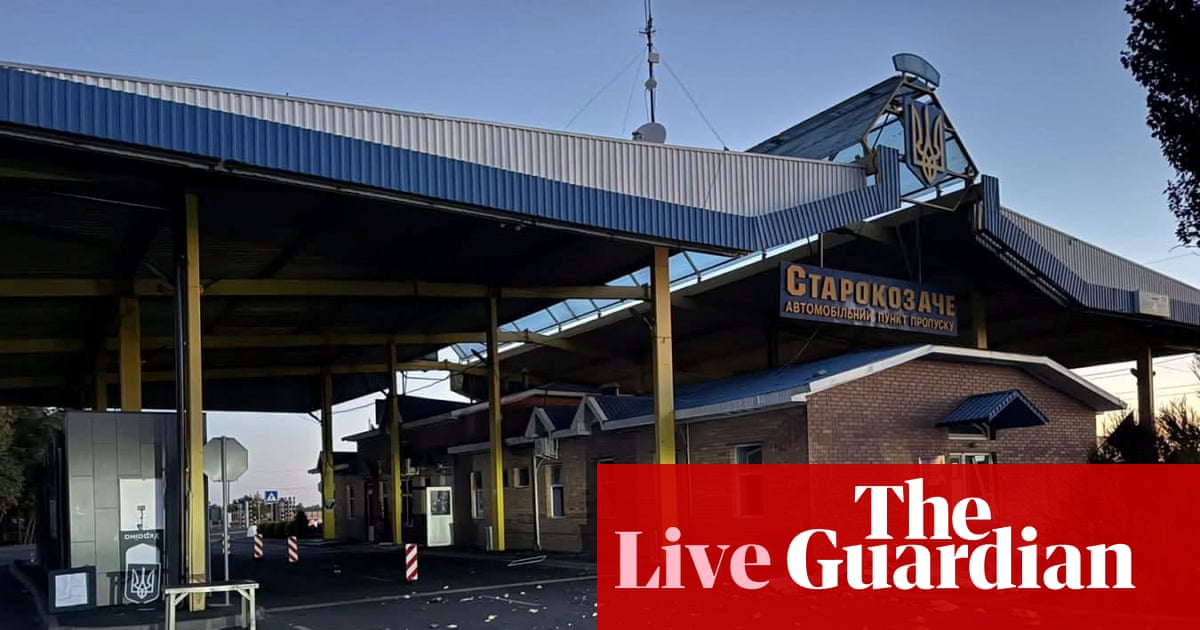
President Volodymyr Zelenskyy has voiced strong criticism regarding the international community's perceived inadequate response to recent Russian missile and drone attacks on Ukraine. These overnight strikes resulted in at least two fatalities and multiple injuries, hitting critical infrastructure including a border crossing with Moldova and residential buildings in Kyiv.
Zelenskyy emphasized that Moscow must not be allowed to believe it can continue its 'missile and drone terror without consequences,' especially as winter approaches. His call for 'effective' sanctions against Russia and sustained support from partners underscores the immediate need for tangible action to halt the aggression and prevent further escalation and suffering.
Germany's Internal Strife
The political landscape in Germany is marked by significant internal divisions, as evidenced by the heated exchange in the Bundestag between Chancellor Friedrich Merz and AfD co-leader Alice Weidel. Weidel, whose party saw a strong performance in the Saxony-Anhalt state election, advocated for a drastic shift in German policy, including an end to 'war propaganda' against Russia and a resumption of Nord Stream pipeline deliveries.
Chancellor Merz vehemently rejected Weidel's stance, labeling her a 'destructive force' and reaffirming Germany's commitment to supporting Ukraine, framing it as a defense of shared freedoms. He also strongly condemned the AfD's 'remigration' proposals, equating them to 'ethnic cleansing' and warning of severe economic and social consequences for Germany.
Saxony-Anhalt's Message
The recent state election results in Saxony-Anhalt served as a potent signal of public discontent, which the AfD's Alice Weidel interpreted as a clear demand for a change in government policy. The outcome has emboldened the populist party, allowing it to challenge the ruling coalition's direction on critical issues such as migration, energy, and foreign policy towards Ukraine and Russia.
This electoral performance highlights a growing segment of the German electorate that is disillusioned with current government policies and open to alternative, often more isolationist, approaches. The debate in the Bundestag following these results indicates that the AfD's influence is not merely confined to state politics but is increasingly shaping the national discourse, posing a challenge to Germany's established political consensus and its role in European affairs.
Key points
- Ukrainian President Zelenskyy criticized the international community for 'too little response' to recent deadly Russian strikes.
- Russian attacks overnight killed two people at a border crossing with Moldova and injured four in Kyiv.
- Zelenskyy called for 'effective' sanctions against Russia and continued support for Ukraine to stop aggression before winter.
- In Germany, Chancellor Merz clashed with AfD leader Alice Weidel over Ukraine policy, migration, and energy.
- Weidel cited the Saxony-Anhalt election results as a sign that Germans want a change in policy, including resuming Nord Stream deliveries.
If international allies heed Zelenskyy's urgent call for more effective sanctions and support, Ukraine could bolster its defenses and deter further Russian aggression, potentially preventing a worsening humanitarian crisis over winter. Increased unity among European nations in supporting Ukraine and addressing internal political divisions could also strengthen the continent's overall stability and resolve.
Without a stronger international response, Russia may intensify its missile and drone attacks, leading to more casualties and infrastructure damage in Ukraine, especially as winter approaches. The growing political divisions within Germany, exemplified by the AfD's increasing influence and its anti-Ukraine, anti-migration stance, could undermine European solidarity and support for Kyiv.


