“Too Violent”: YouTube Removes Anand Patwardhan’s National Award-Winning Film
YouTube removed Anand Patwardhan's 'Father, Son and Holy War' from his official channel, citing violence. Patwardhan called it censorship and said the film exposes violence, not endorses it.
Intelligence analysis by GPT-5.4 Mini
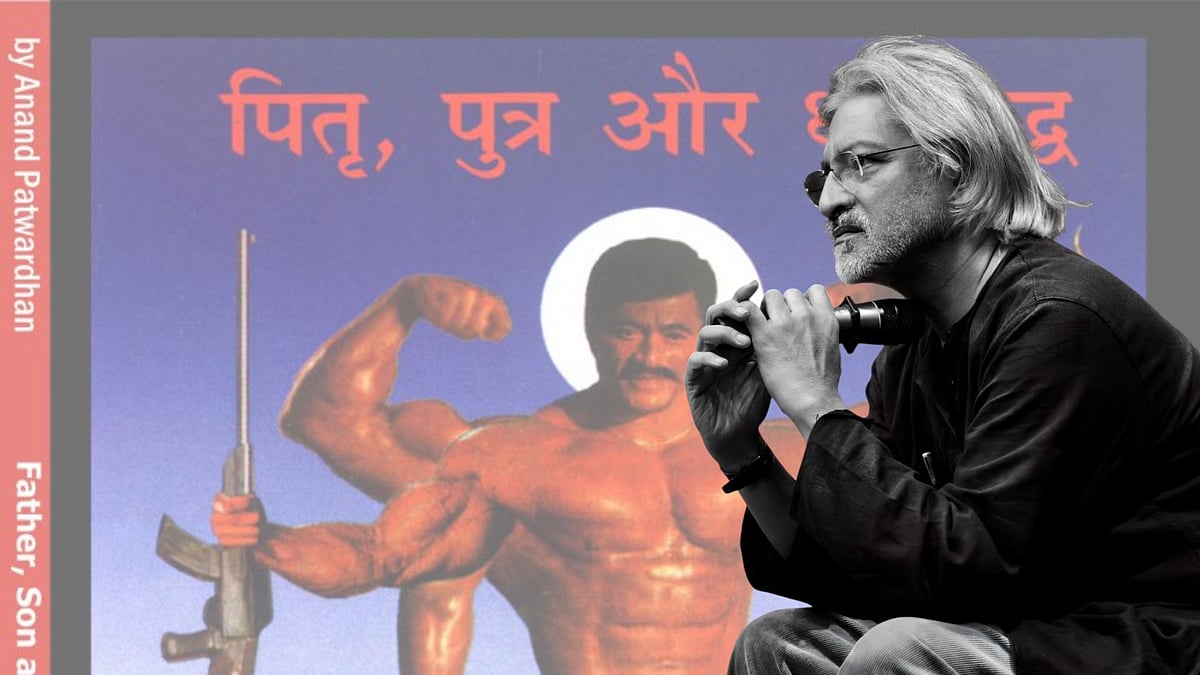
YouTube has taken down Anand Patwardhan’s 1995 documentary 'Father, Son and Holy War' from his official channel after judging it “too violent.” The filmmaker says the film is an exposé of violence by religious fanatics and politicians, reviving debate over platform moderation and access to political documentaries.
A movie about violence was taken off YouTube because YouTube said it was too violent, even though the filmmaker says it was made to show violence, not praise it. It is like taking away a book about fire safety because it has pictures of fire.
Analysis
What happened
YouTube removed Anand Patwardhan’s 1995 documentary Father, Son and Holy War from his official channel, reportedly because the platform considered it “too violent.” The film is still available on another YouTube channel, but the removal of the filmmaker’s own upload triggered criticism.
What the film is about
The documentary looks at the links between religious extremism, masculinity, and communal violence in India. Patwardhan said the film records violence caused by religious fanatics and politicians seeking power, and that it is meant as an exposé rather than an endorsement.
Why Patwardhan pushed back
Patwardhan reacted strongly on social media, saying the film had already received a U/A censor certificate, won two National Film Awards, and was ordered by the Supreme Court to be broadcast on Doordarshan in the public interest. He framed YouTube’s action as censorship and argued that the platform should remove censors, not common sense.
The film’s legal and award history
The article says the documentary was completed over seven years and released in two parts. It won the National Film Awards for Best Investigative Documentary and Best Film on Social Issues in 1995, and later received the International Jury Prize at the Bombay International Film Festival in 1996. In 2001, Doordarshan refused to air it, leading Patwardhan to court. The Bombay High Court ruled for him, and in 2006 the Supreme Court directed Doordarshan to telecast the film, calling the refusal “highly irrational” and inconsistent with freedom of speech and expression.
Broader pattern
The story also notes earlier restrictions on Patwardhan’s films on YouTube. In 2019, Ram Ke Naam faced an age restriction despite its U certificate. Jai Bhim Comrade has also reportedly faced platform restrictions. Together, these cases underline the continuing tension between digital moderation systems and documentary filmmaking in India.
Key points
- YouTube removed Anand Patwardhan’s 'Father, Son and Holy War' from his official channel, citing violence.
- Patwardhan said the film documents violence and does not promote it, calling the removal censorship.
- The documentary had already won national awards and was ordered by the Supreme Court to be broadcast on Doordarshan.
- The article places the removal in a wider pattern of restrictions on Patwardhan’s films on YouTube.
- The case has reopened debate on content moderation and access to documentaries in the digital era.
The backlash could push platforms to review how they handle documentaries about sensitive political and social issues. It may also renew attention on the film’s legal and cultural status, making it easier for audiences to find lawful access to it on digital platforms.
If platform moderation stays strict or opaque, important documentaries may keep disappearing from official channels even when they have strong legal and artistic standing. That could make access to politically sensitive Indian films more uneven and deepen concerns about private companies shaping public debate.