Top auto regulator investigates deadly Tesla crash into Texas home
A Tesla crashed into a Texas home, killing a 76-year-old woman, while using an automated driving feature. The US auto regulator has opened an investigation.
Intelligence analysis by Llama 3.3 70B
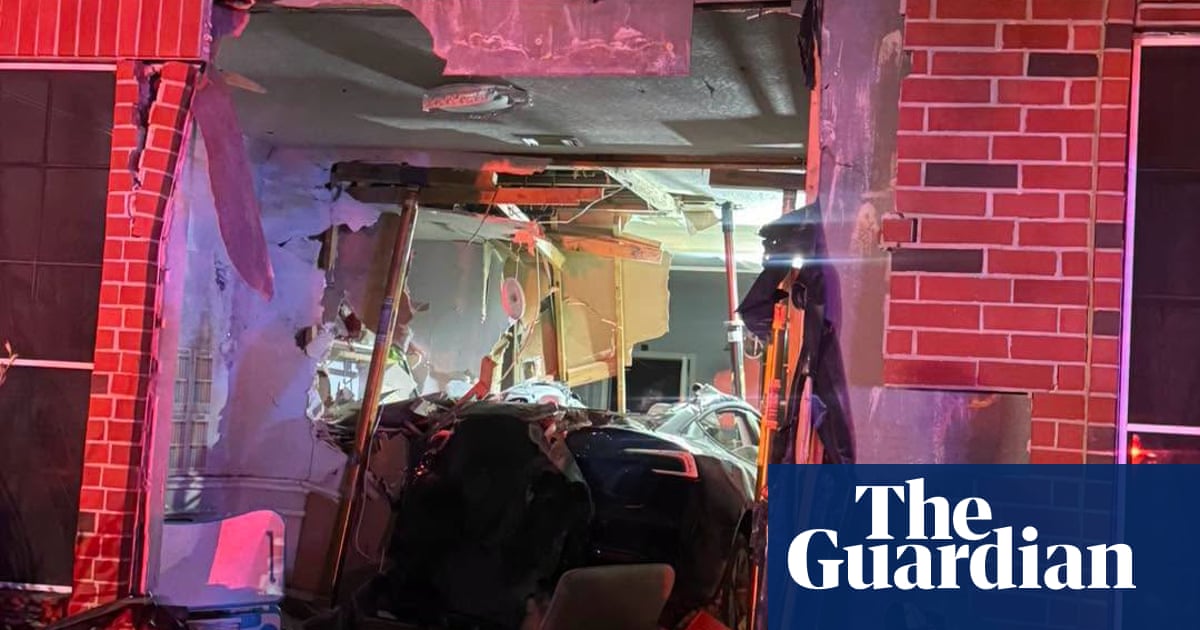
The crash occurred on June 19, 2026, in Katy, Texas, and the National Highway Traffic Safety Administration is investigating the incident, which involved a Tesla Model 3 using automated driving technology.
A car crashed into a house in Texas and killed a woman. The car was using a special feature that helps it drive itself, but it's not clear if that feature caused the crash. The government is investigating to find out what happened.
Analysis
Introduction to Automated Driving Technology
The use of automated driving features in vehicles has been a topic of interest and concern in recent years. Tesla, in particular, has been at the forefront of this technology, with its CEO, Elon Musk, touting it as a key component of the company's future plans. However, the recent crash in Texas, which resulted in the death of a 76-year-old woman, has raised questions about the safety and reliability of these features.
The National Highway Traffic Safety Administration (NHTSA) has opened an investigation into the incident, which is significant not only because of the fatality involved but also because it highlights the potential risks associated with automated driving technology. The investigation will likely focus on the role of the automated driving feature in the crash and whether it was a contributing factor.
The Role of Automated Driving Features in the Crash
According to the police report, the driver of the Tesla Model 3 was using the automated driving feature at the time of the crash. However, it is not clear what role, if any, the feature played in the incident. The head of Tesla's artificial intelligence efforts, Ashok Elluswamy, suggested on social media that the self-driving feature was not to blame, stating that the driver had manually overridden the feature by pressing the accelerator all the way to 100% in a residential area.
The investigation will need to determine whether the automated driving feature was functioning properly at the time of the crash and whether the driver's actions were a contributing factor. This will involve a thorough analysis of the vehicle's data and witness statements, as well as a review of the company's safety protocols and procedures.
Implications for the Future of Automated Driving Technology
The investigation into the Tesla crash in Texas has significant implications for the future of automated driving technology. If the automated driving feature is found to have been a contributing factor in the crash, it could raise questions about the safety and reliability of these features and potentially lead to increased regulatory scrutiny. On the other hand, if the investigation finds that the driver's actions were the primary cause of the crash, it could highlight the need for greater education and training for drivers using automated driving features.
The outcome of the investigation will be closely watched by the automotive industry, regulators, and consumers, as it will have significant implications for the development and deployment of automated driving technology in the future. The NHTSA has already launched several investigations into Tesla, including one into 58 incidents in which Teslas reportedly violated traffic safety laws while using self-driving technology, leading to more than a dozen crashes and fires, and nearly two dozen injuries. The agency has also opened an investigation into why Tesla apparently had not been reporting crashes promptly as required.
Key points
- A Tesla crashed into a Texas home, killing a 76-year-old woman
- The vehicle was using an automated driving feature at the time of the crash
- The NHTSA has opened an investigation into the incident
- The investigation will focus on the role of the automated driving feature in the crash
The investigation into the Tesla crash in Texas could lead to improved safety protocols and regulations for automated driving technology, potentially reducing the risk of similar incidents in the future. Additionally, the development of automated driving technology could lead to increased mobility and independence for older adults and people with disabilities.
The investigation into the Tesla crash in Texas could highlight significant safety risks associated with automated driving technology, potentially leading to increased regulatory scrutiny and decreased public trust in the technology. Additionally, the incident could lead to a slowdown in the development and deployment of automated driving technology, which could have negative implications for the automotive industry and consumers.