Top UK chefs call for 10% VAT cut for pubs and restaurants
Top UK chefs say hospitality is under severe strain and want VAT on pubs and restaurants cut from 20% to 10%.
Intelligence analysis by GPT-5.4 Mini
Famous chefs say higher taxes are squeezing UK hospitality and making it harder to survive. Ministers say any cut must be weighed against wider public spending pressures.
Some famous cooks and restaurant owners in the UK are asking the government to make a tax called VAT smaller for pubs and restaurants. They say their businesses are having a very hard time because costs are high and people are eating out less.
Think of a shop trying to carry a heavy backpack while walking uphill. The chefs say the backpack is getting too heavy because of taxes, energy bills, wages and fewer customers.
The government says it has to be careful, because cutting tax means less money for other things it pays for. So the story is about whether a tax cut would help restaurants stay open and keep people working.
Analysis
What the chefs want
Four well-known UK chefs and restaurant owners are urging the government to cut VAT for pubs and restaurants from 20% to 10%. Tom Kerridge, Yotam Ottolenghi, Ravneet Gill and Simon Rogan told BBC Newsnight that hospitality is facing extreme pressure and that current tax levels are too high compared with much of Europe.
Why they say the sector is under strain
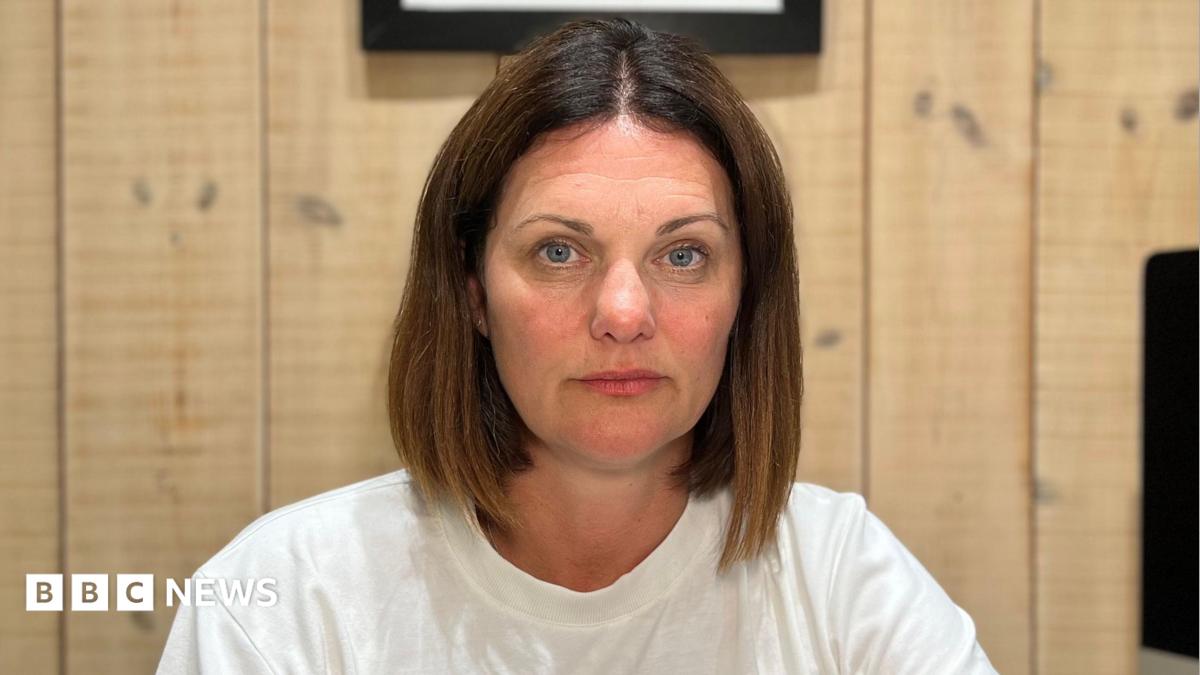
The chefs described an industry hit by several shocks in sequence: the Covid pandemic, then higher energy costs after the war in Ukraine, and more recently weaker consumer spending as households pull back on eating out. Kerridge said tax policy on businesses is being handled "very, very wrong," while Rogan said many operators are simply trying to stay afloat. Gill said the costs of employing staff have been especially hard for a business she opened only a year ago.
The government's response
Cabinet minister Pat McFadden said the government has asked business to contribute more and that ministers must balance tax-cut requests against spending demands elsewhere. He did not promise a VAT reduction, saying the chancellor has to make decisions "in the round."
The wider economic case
UK Hospitality says three hospitality businesses have gone under every day since the start of 2026, and it argues that UK VAT on the sector is the second highest in Europe after Denmark. The chefs say a lower rate would help operators breathe, reinvest and keep trading rather than simply passing on lower prices to customers.
The article also points to the sector's role as a first employer for many young people. The core economic question is whether lower VAT would preserve jobs and businesses, or whether the Treasury can afford the lost revenue.
Key points
- Four prominent chefs urged ministers to cut hospitality VAT from 20% to 10%.
- They said the sector is under pressure from pandemic aftershocks, energy costs and weaker consumer spending.
- The government said it must balance business tax cuts against other spending needs.
- UK Hospitality says closures are rising and argues UK hospitality VAT is high by European standards.
- The chefs argued a lower rate would help businesses survive and reinvest.