Tourism expansion v turtle nests: the dispute dividing communities in one Tobago resort
Plans for a 200-room hotel in Tobago's unspoiled Rocky Point have sparked a four-year dispute between developers seeking economic growth and conservationists advocating for smaller, community-owned eco-resorts to protect the island's habitat.
Intelligence analysis by Gemini 2.5 Flash
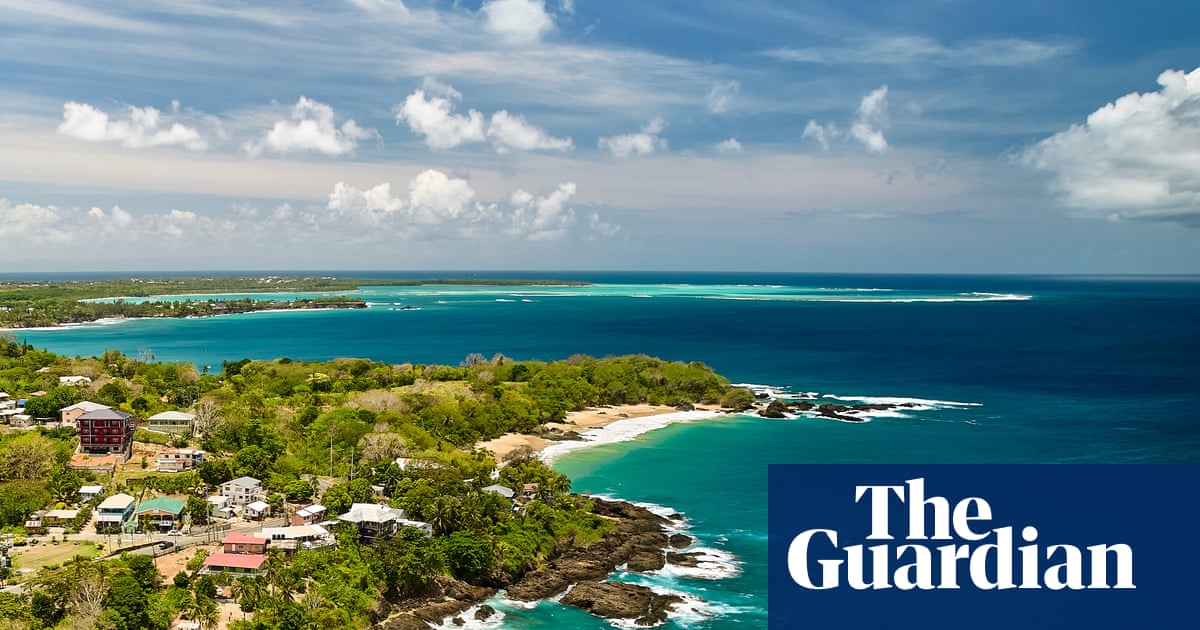
A proposed $500m, 200-room hotel and villa development by Superior Hotels on Tobago's Back Bay is facing strong opposition from environmentalists and local communities. Opponents, including the Rocky Point Foundation, argue that the large-scale project will significantly harm the environment, including critical turtle nesting sites and archaeological features, despite the developer re…
Imagine a beautiful beach where sea turtles lay their eggs, and old forts tell stories of the past. Now, some people want to build a really big hotel there to bring in more visitors and jobs. But others worry that such a huge building will hurt the turtles' homes and destroy the special plants and old treasures. It's like trying to build a giant sandcastle right where a tiny, important crab lives – you might get a cool sandcastle, but the crab loses its home.
Analysis
The conflict surrounding the proposed hotel development at Rocky Point in Tobago encapsulates a broader global debate on sustainable economic growth versus environmental preservation, particularly in ecologically sensitive regions. The island, like many Caribbean nations, is actively seeking private investment to upgrade its tourism offerings, viewing large-scale projects as a pathway to increased revenue and job creation. However, this pursuit of economic expansion often clashes with the imperative to protect unique natural habitats and cultural heritage.
Rocky Point
Rocky Point, a 12-hectare stretch of land in south-west Tobago, is described as a relatively unspoiled location featuring sandy beaches, coral reefs, and dense vegetation. It is also a known nesting site for turtles and holds archaeological significance, with Amerindian artefacts and the remains of Fort Monck. The area's ecological and historical value makes it a focal point for conservation efforts, with environmentalists arguing that its unique characteristics demand a more sensitive approach to development than a large hotel project.
The environmental impact assessment process, which led to the granting of a Certificate of Environmental Clearance (CEC) by the Environmental Management Authority (EMA), has been heavily scrutinized. Critics, including environmental biologist Michelle Cazabon-Mannette, contend that the mitigation measures outlined in the CEC are insufficient, especially given that the project's designs were conceptual. The concern is that a 200-room hotel and numerous villas will necessitate extensive clearing of coastal vegetation, fundamentally altering the natural landscape and potentially devastating local wildlife populations, particularly nesting turtles.
Superior Hotels
Superior Hotels, a locally owned company, secured a 99-year lease from the government agency Eteck to develop the $500m project. This significant investment is intended to boost Tobago's tourism product, aligning with the Tobago Hotel and Tourism Association's goal of attracting private partnership investment to evolve the island's offerings. The company's proposal includes a 200-room hotel and privately owned villas, signaling a commitment to high-end, large-scale tourism.
Despite receiving the CEC, Superior Hotels faces ongoing public opposition. The company's initial designs were criticized for seemingly overlooking archaeological and ecological features, leading to subsequent amendments that opponents still deem inadequate. The developers' reliance on mitigation measures, as stipulated by the EMA, is seen by critics as a compromise that may not fully address the long-term environmental consequences of such a large footprint on a sensitive site. The economic viability of a 200-room hotel in Tobago, where many large hotels reportedly struggle with sustainable occupancy, has also been questioned by some local stakeholders.
Duane Kenny
Duane Kenny, a founding member of the Rocky Point Foundation, has emerged as a leading voice against the current development plans. As a former hotel manager and owner of tourism-related businesses in Tobago, Kenny brings both industry insight and a deep personal connection to the area as an avid surfer at Back Bay. His foundation advocates for increased accountability and environmentally sound development that preserves Rocky Point for future generations.
Kenny's group had submitted an alternative proposal for a small eco-resort, featuring nature trails, turtle watching, and a wax museum for Amerindian artefacts, which they believe would be more appropriate for the site's delicate ecosystem. He argues that the sheer scale of concrete development in the winning project's model poses a significant environmental risk. Kenny's concerns highlight a preference for community-owned, smaller-scale, and more sustainable tourism models that integrate conservation directly into their business plans, contrasting sharply with the large-scale, private investment model pursued by Superior Hotels and the government.
Key points
- A $500m, 200-room hotel and villa project by Superior Hotels is planned for Rocky Point, Tobago.
- The development is opposed by environmentalists and local groups, including the Rocky Point Foundation, due to concerns about environmental impact on turtle nesting sites and archaeological features.
- The government agency Eteck granted a 99-year lease for the development, aiming to upgrade Tobago's tourism offerings.
- An Environmental Impact Assessment led to a Certificate of Environmental Clearance (CEC) with mitigation measures, but critics argue these are insufficient.
- Opponents advocate for smaller, community-owned eco-resorts that prioritize conservation and integrate local heritage.
If the Superior Hotels project proceeds with stringent adherence to and effective implementation of all environmental mitigation measures, it could significantly boost Tobago's tourism economy, creating jobs and upgrading the island's global appeal. The increased revenue could also be channeled into broader conservation efforts across the island, demonstrating that economic growth and environmental stewardship can coexist.
The large-scale hotel development at Rocky Point risks irreversible environmental damage, including the destruction of critical turtle nesting sites and coastal vegetation, potentially undermining Tobago's natural appeal. Furthermore, if the 200-room hotel struggles with occupancy, as some critics suggest, the economic benefits might not materialize, leaving the island with a damaged ecosystem and an underperforming asset.