Traditional clothing of Chaharmahal-Bakhtiari: A rainbow of ethnic heritage
The traditional clothing of Iran's Chaharmahal-Bakhtiari province, known for its vibrant colors and deep historical roots, is a significant expression of ethnic heritage for Lori, Turkic, and Persian communities. Despite rising costs, local demand remains strong, and inte…
Intelligence analysis by Gemini 2.5 Flash
Chaharmahal-Bakhtiari's traditional attire, a vivid display of cultural diversity worn by Lori, Turkic, and Persian groups, holds centuries of artistic and historical significance. While facing challenges like increasing raw material costs, particularly for gold, the craft thrives as a local industry, supported by government initiatives and sustained demand both domestically and inter…
Imagine a beautiful rainbow you can wear! In a special part of Iran called Chaharmahal-Bakhtiari, people wear colorful traditional clothes that tell stories of their families and history. Even though some fancy parts, like gold decorations, are getting expensive, people still love wearing them, and the government helps the artists who make these special outfits, like helping a baker sell their delicious cakes.
Analysis
A Tapestry of Cultural Identity
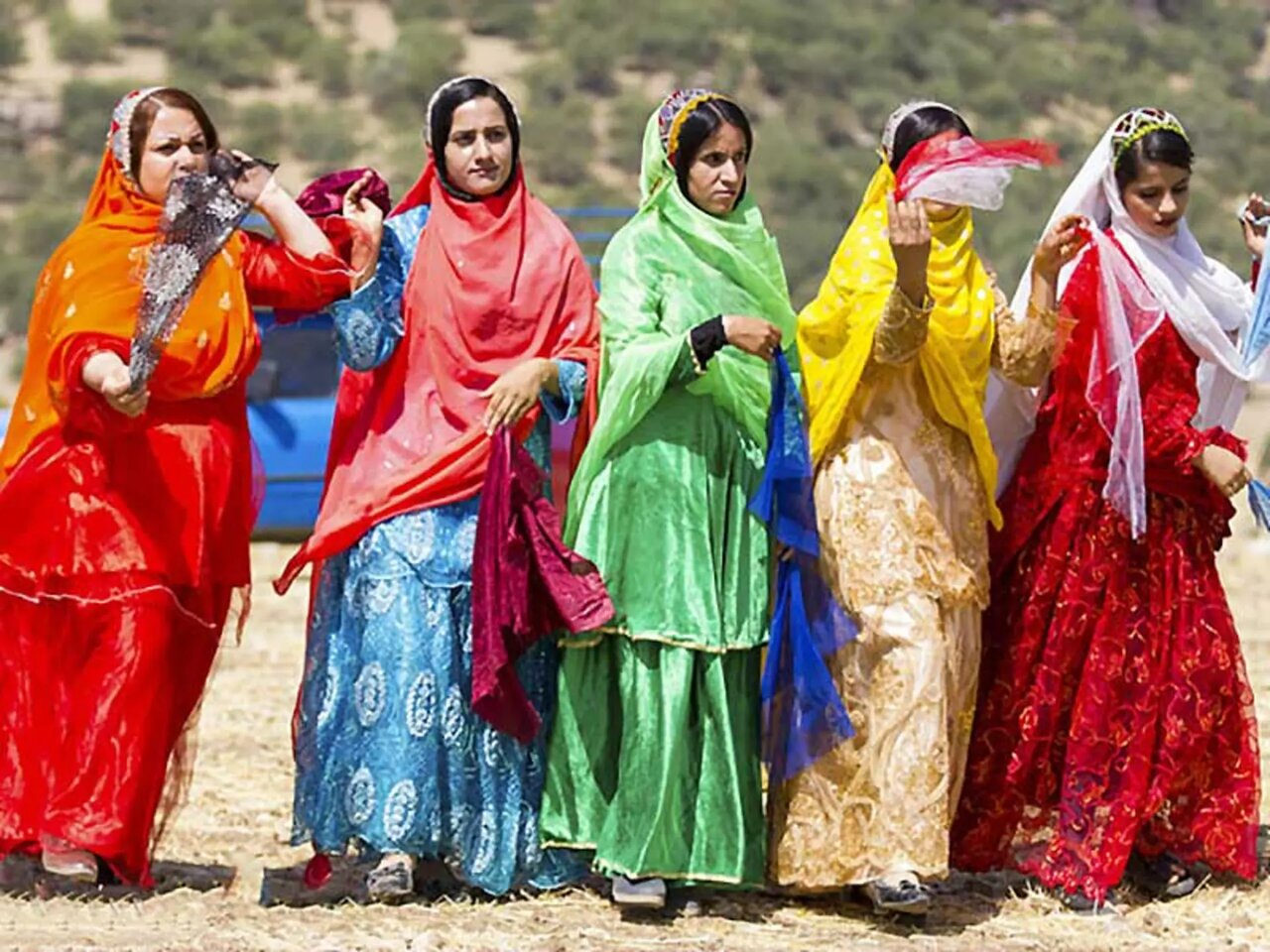
The traditional clothing of Chaharmahal-Bakhtiari stands as a vibrant testament to Iran's rich cultural mosaic, embodying centuries of artistic expression and ethnic diversity. Worn by the Lori, Turkic, and Persian communities, these garments are not merely attire but a living historical record, with roots believed to extend back to the Safavid era. Characterized by a striking palette of pink, green, red, orange, purple, blue, yellow, and white, the clothing mirrors the lush mountain landscapes of the Zagros region, creating a visual harmony between human culture and natural environment. These elaborate outfits, particularly those of Bakhtiari and Qashqai women, are integral to significant life events such as weddings, funerals, and religious ceremonies, while also maintaining a presence in daily life, especially in nomadic and rural areas.
Economic Vitality and Challenges
Beyond its cultural significance, the production of traditional clothing in Chaharmahal-Bakhtiari has fostered a dynamic local industry, with workshops catering to both domestic and international demand. The enduring attachment of local populations ensures a resilient market within the province and other Iranian regions, while growing interest from abroad has led to international orders. However, this burgeoning industry faces considerable economic hurdles. Rising production costs, particularly for precious materials like gold traditionally used in headdresses and adornments, compel artisans to seek more affordable substitutes. Furthermore, the informal nature of many export channels, often involving personal luggage, complicates the accurate measurement of the industry's economic contribution and potential for growth.
Preservation Efforts and Future Prospects
Recognizing the cultural and economic value of this heritage, local authorities have implemented various support mechanisms for artisans. These include offering low-interest loans to rural and nomadic producers, facilitating participation in national and international exhibitions to broaden market access, simplifying licensing procedures, and assisting with insurance and raw material supply. Experts also advocate for greater involvement from Iranian textile manufacturers to produce fabrics and raw materials specifically tailored for traditional clothing, emphasizing the potential for improved quality, expanded variety, and enhanced sustainability through local sourcing. Despite the challenges, the unwavering enthusiasm among Bakhtiari, Qashqai, and other local communities ensures the continued vitality of this unique cultural expression, promising a future where this "rainbow of ethnic heritage" continues to shine.
Key points
- Traditional clothing in Chaharmahal-Bakhtiari is a vibrant symbol of ethnic heritage for Lori, Turkic, and Persian communities.
- Garments, especially women's attire, are characterized by bright colors and intricate embellishments, reflecting the region's natural landscape.
- Despite rising production costs, particularly for gold used in adornments, local and international demand for these traditional outfits remains strong.
- Local authorities provide support to artisans through low-interest loans, exhibition opportunities, and assistance with licensing and raw materials.
- Experts advocate for greater involvement of Iranian textile manufacturers to produce local fabrics, enhancing quality and sustainability.
With continued government support through loans, exhibition participation, and simplified licensing, the traditional clothing industry in Chaharmahal-Bakhtiari could flourish, expanding its reach both domestically and internationally. Increased use of local natural materials, as advocated by experts, could further enhance quality and sustainability, ensuring the vibrant heritage endures for generations.
The escalating costs of raw materials, particularly gold, pose a significant threat to the authenticity and affordability of traditional garments, potentially forcing artisans to compromise on quality or traditional designs. Furthermore, the reliance on informal export channels makes it difficult to accurately measure and support the industry's economic contribution, hindering its potential for structured growth and investment.