Trump administration bans new Chinese humanoid robots
The Trump administration has banned new foreign-made humanoid robot imports to the US over 'unacceptable risks' to national security. The move applies to advanced robots, including humanoid and four-legged machines, many of which are made in China.
Intelligence analysis by Llama
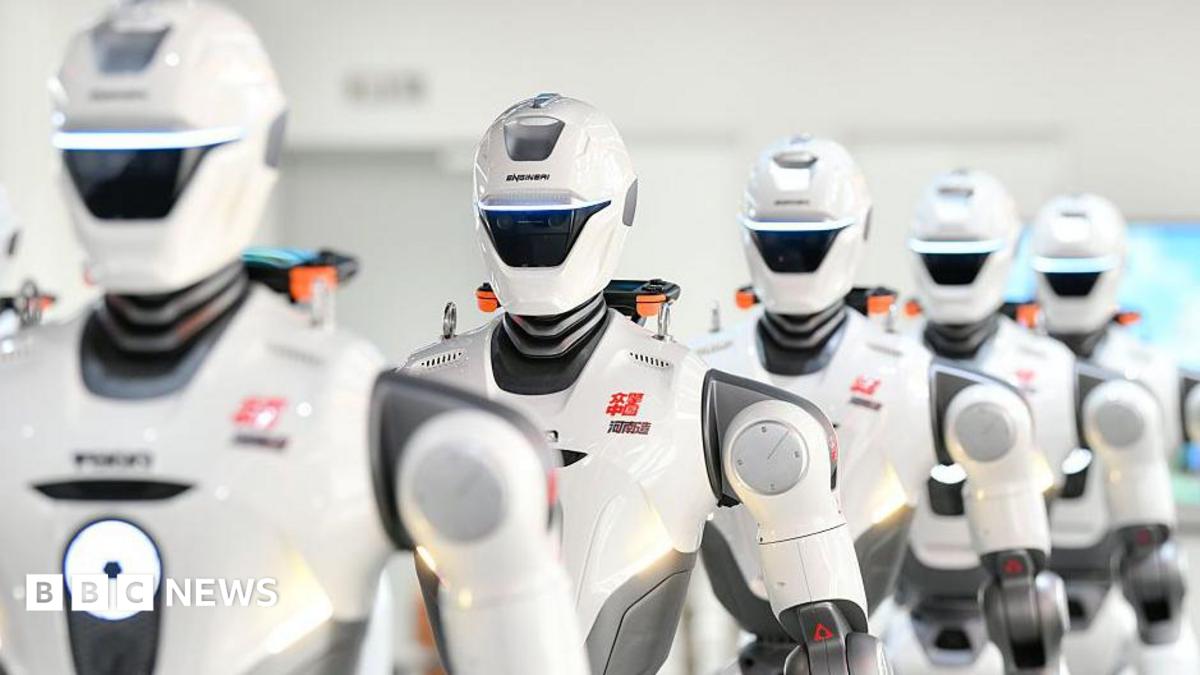
The US has banned new foreign-made humanoid robot imports due to concerns over national security. The ban applies to advanced robots, including humanoid and four-legged machines, and is aimed at preventing the use of robots made outside the US for malicious purposes.
Imagine you have a robot that can do lots of things, like a human. But what if someone made that robot in a country that you don't trust? You might worry that they could use it to spy on you or do something bad. That's why the US has banned new robots made in other countries, to keep its people safe.
Analysis
A $60B Vote of Confidence
The Trump administration's ban on new foreign-made humanoid robot imports is a significant development in the ongoing trade tensions between the US and China. The move is aimed at preventing the use of robots made outside the US for malicious purposes, such as surveillance or cyberattacks. The ban applies to advanced robots, including humanoid and four-legged machines, and is a clear indication of the US's concerns over the potential risks of advanced robotics and artificial intelligence.
Why Cursor?
The ban on new foreign-made humanoid robot imports is also a reflection of the US's desire to maintain its lead in AI. The US has been investing heavily in AI research and development, and the ban is seen as a way to protect its national security and maintain its competitive edge. The move is also a response to China's rapid development of humanoid robots, which has been driven by the country's growing demand for automation and artificial intelligence.
The Road Ahead
The ban on new foreign-made humanoid robot imports is likely to have significant implications for the robotics industry. It may lead to a shift in the global supply chain, with companies looking to establish manufacturing facilities in the US or other countries. The move may also lead to increased investment in AI research and development, as companies seek to develop their own advanced robotics capabilities. Overall, the ban on new foreign-made humanoid robot imports is a significant development in the ongoing trade tensions between the US and China, and is likely to have far-reaching implications for the robotics industry.
Key points
- The US has banned new foreign-made humanoid robot imports due to concerns over national security.
- The ban applies to advanced robots, including humanoid and four-legged machines.
- The move is aimed at preventing the use of robots made outside the US for malicious purposes.
- The ban is a reflection of the US's desire to maintain its lead in AI.
- The move may lead to a shift in the global supply chain and increased investment in AI research and development.
The ban on new foreign-made humanoid robot imports could lead to increased investment in AI research and development in the US, which could drive innovation and job creation. It may also lead to the development of more advanced robotics capabilities in the US, which could give the country a competitive edge in the global market.
The ban on new foreign-made humanoid robot imports could lead to a shortage of advanced robotics capabilities in the US, which could hinder innovation and job creation. It may also lead to increased costs for companies that rely on foreign-made robots, which could impact their bottom line.