Trump administration reportedly drafting ban on Chinese datacenter components
The FCC is developing a measure to bar US imports of new models of Chinese optical transceivers used in datacenters, according to Reuters sources. The restriction targets a market dominated by Chinese manufacturers as part of broader efforts to limit Chinese technology in…
Intelligence analysis by Llama
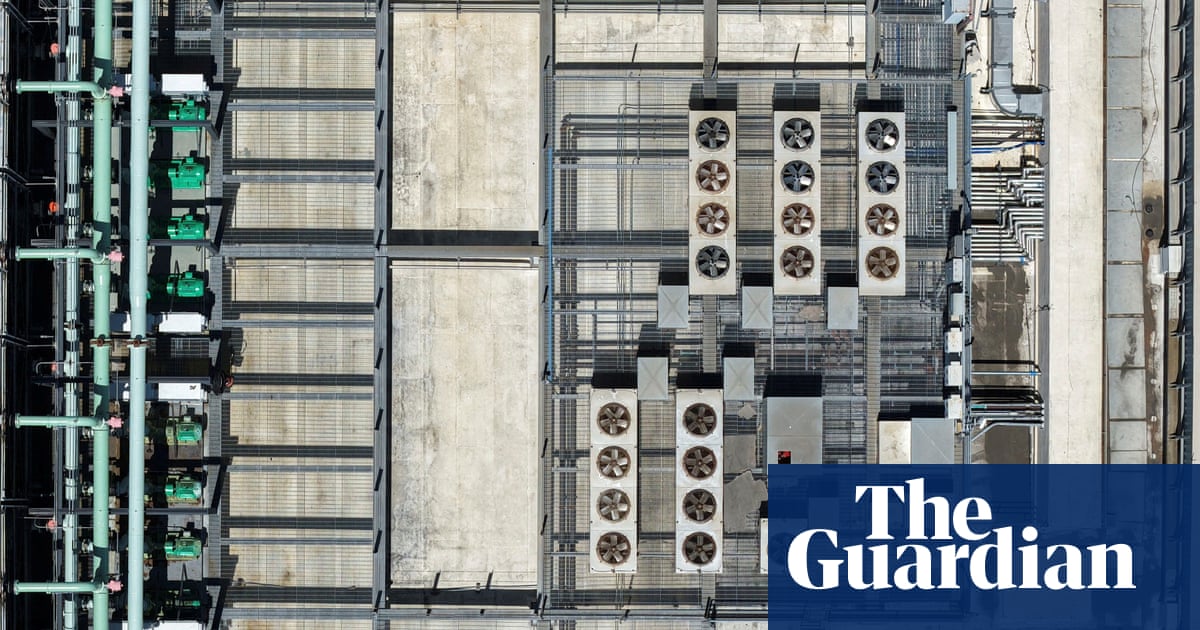
The FCC is reportedly drafting a ban on imports of new Chinese optical transceivers, critical components for US datacenter buildouts, amid national security concerns and rapid AI advances in China. The measure could disproportionately hit firms like Zhongji Innolight while complicating supply chains for US hyperscalers already running behind schedule.
The US government wants to stop buying certain tiny computer parts from China that help big computer buildings talk to each other really fast through fiber-optic cables. China makes most of these parts in the world, so this rule could make it harder and more expensive for American companies to build new AI data centers, which are already running behind schedule. Officials worry that having too many Chinese parts inside US systems could let China spy or cause trouble.
Analysis
The Quiet Plumbing of the AI Boom
The Federal Communications Commission is reportedly finalizing a measure that would block imports of new Chinese-made optical transceivers, the small but mission-critical components that shuttle data through fiber-optic cables inside datacenters at the speed of light. While the technology is specialized, its strategic weight is outsized: four sources told Reuters that China controls a majority of the global market for these transceivers, meaning a sweeping ban could disrupt the very AI buildout the Trump administration has pledged to accelerate. The optics of restricting such a niche component underscore how granular, yet consequential, the front lines of US-China tech competition have become. Officials hope to publish the measure this year, Reuters reported, though the FCC could still modify or shelve it.
A Speed Bump on the Trillion-Dollar Buildout
US tech companies have committed trillions of dollars to expanding domestic datacenter capacity, yet Reuters notes those plans are already running behind schedule while China pours resources into its own AI buildout. Removing Chinese optical transceivers from the import pipeline could compound those delays and force US operators to qualify alternatives at a moment when hyperscalers are racing to deploy capacity for next-generation AI models from OpenAI, Anthropic, and Google. The restriction follows a flurry of similar moves, including a ban last month on Chinese advanced humanoid robots and reported deliberations over Chinese open-source AI models, suggesting a broader pattern of escalating tech controls rather than an isolated measure. Officials cite supply chain threats and national security risks, particularly concerns that embedded Chinese components could be used to steal data, install malware, or disrupt service inside US infrastructure.
From Huawei to Zhongji Innolight
Trump administration officials have invoked Huawei, whose telecom equipment became so deeply embedded in US networks that removal proved costly and slow, to argue for acting preemptively on datacenter gear. Zhongji Innolight, one of the world's largest transceiver sellers, is named as a likely casualty of the proposed ban; the company was added to the Pentagon's list of alleged Chinese military-backed companies in June. Treasury Secretary Scott Bessent has separately suggested that China could be sanctioned for theft of US data and intellectual property, hinting that the trade confrontation extends well beyond optical components. The Chinese embassy in Washington pushed back, urging the US to "stop smearing Chinese companies and threatening them with sanctions" and warning that "China will take all necessary measures in response to any action that causes material harm to its interests," a reminder that each new restriction raises the odds of escalation.
Key points
- The FCC is reportedly developing a ban on imports of new Chinese optical transceivers used inside datacenters, with publication hoped for this year
- China controls a majority of the global market for optical transceivers, and Zhongji Innolight is named as a likely casualty
- The measure is part of a broader Trump administration push to limit Chinese tech in AI infrastructure, following a ban on Chinese humanoid robots and deliberation over Chinese open-source AI models
- US tech companies have committed trillions to AI datacenter buildouts that are already running behind schedule, raising concerns about supply disruption
- The Chinese embassy in Washington warned of "necessary measures" in response, and Treasury Secretary Scott Bessent has suggested broader sanctions over IP theft
If implemented cleanly, the ban could accelerate the buildout of domestic and allied optical-component manufacturing, reducing long-term US reliance on Chinese supply chains. Combined with prior restrictions on Chinese robots and AI models, it signals a coordinated strategy to harden critical AI infrastructure against potential sabotage or espionage.
The measure could disrupt a datacenter buildout that US hyperscalers have already committed trillions to, driving up costs and compounding delays at a time when capacity is already behind schedule. China has warned of retaliatory measures and the broader trade confrontation could spiral, hitting semiconductor and AI supply chains on both sides of the Pacific.
Market signals
- 300308 The article names Zhongji Innolight, one of the world's largest transceiver sellers, as a company likely to be hit by the proposed FCC import ban.
AI-generated analysis of potential market relevance. Not financial advice.