Trump: Agreement to End the War to Be Signed Tomorrow, while Iran Rules That Out
Trump said an agreement with Iran would be signed Sunday and the Strait of Hormuz would reopen, but Tehran said that timing is unlikely.
Intelligence analysis by GPT-5.4 Mini
The article describes sharply different public messages from Washington, Islamabad and Tehran about a possible US-Iran deal. Trump and Pakistani officials suggested a signing is imminent, while Iranian officials said the date has not been set and may still be days away.
Two sides are saying different things about a big agreement. Trump says it will be signed tomorrow, but Iran says that is too soon. It is like two classmates arguing about when a group project is due while everyone else waits to see what happens.
Analysis
Conflicting timelines
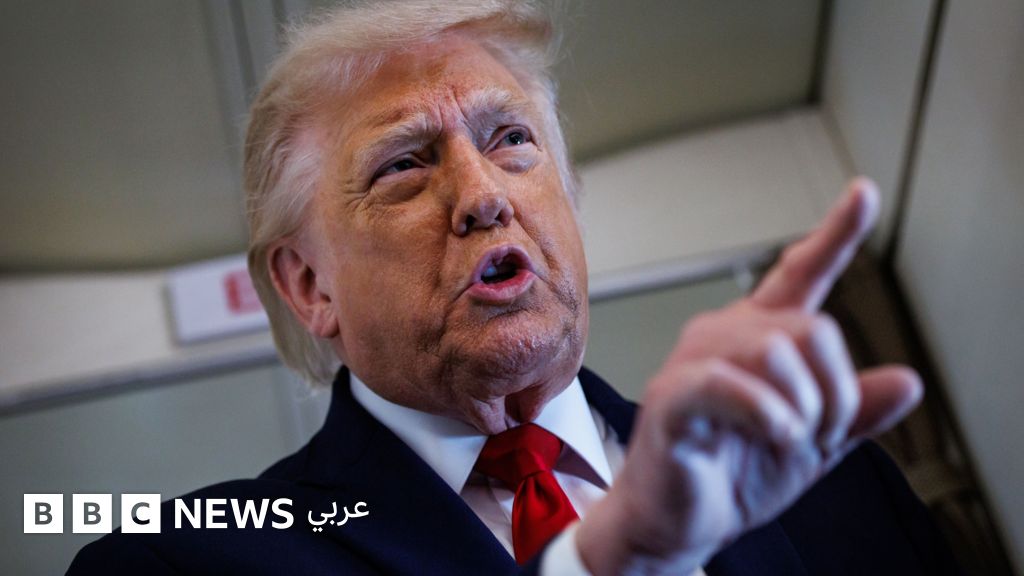
Trump said on Saturday that an agreement with Iran was due to be signed on Sunday, and he tied that to an immediate reopening of the Strait of Hormuz. In his post on Truth Social, he also warned Iran that it should move ahead quickly or face severe consequences.
What the proposed deal may include
The article says Pakistan, which is leading mediation, announced that the US and Iran were close to an agreement and pointed to a signing ceremony the next day. Pakistani Prime Minister Shehbaz Sharif wrote that the sides were closer to peace than ever, while Pakistan’s foreign ministry also spoke of an electronic signing planned for Sunday.
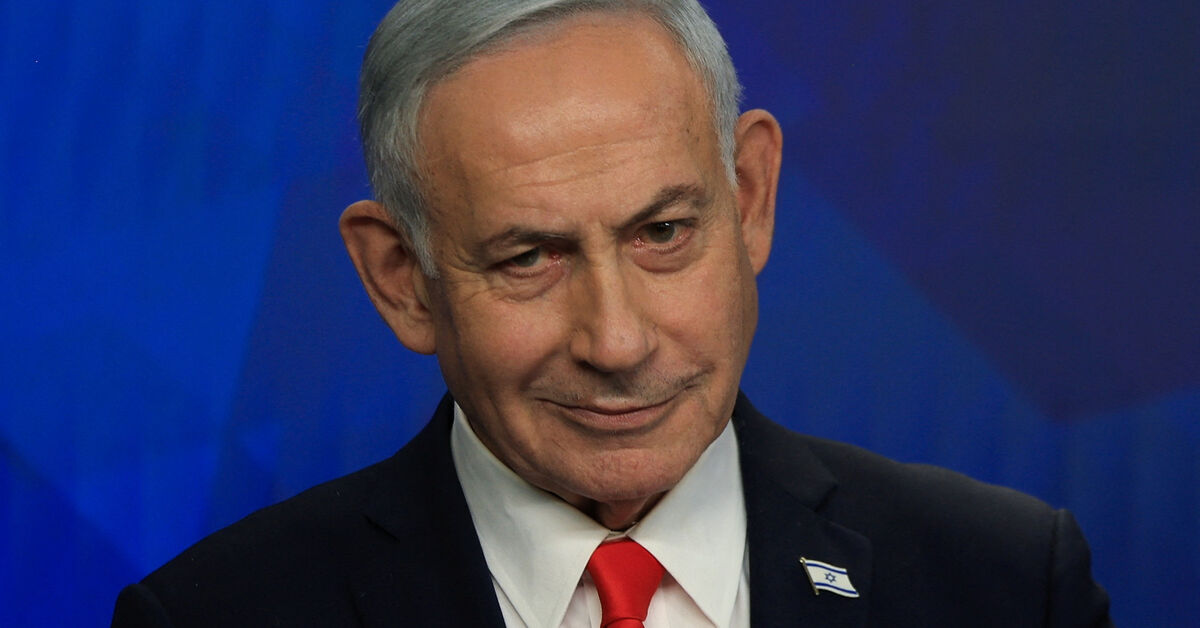
Iran, however, pushed back on that timetable. Foreign ministry spokesman Esmail Baghaei said people should wait for the exact signing date and that it would not be on Sunday. Foreign Minister Abbas Araghchi said he was very optimistic, but framed the final steps as still pending.
The article describes different versions of the draft terms. One account says the deal would end the US naval blockade of Iranian ports and include arrangements for the management of Hormuz, which Tehran has closed since the war began. Another says the US would release frozen Iranian assets and grant sanctions relief on oil exports in return for reopening the strait.
Nuclear and regional issues
A US official said the two sides had agreed on text and that the deal would require Iran to destroy or remove nuclear material, dismantle its nuclear program, and not receive frozen funds until it met the conditions. The same official said Lebanon was also included, even though the US and Israel had wanted that track kept separate.
The article also notes a maritime incident off Oman, where a tanker was hit by an unknown projectile, underscoring how tense the sea lanes remain while negotiations are still unsettled.
Key points
- Trump said an agreement with Iran would be signed on Sunday, but Iran said that timing was unlikely.
- Pakistani officials said a signing was expected, describing Pakistan as the mediator.
- The reported draft would reopen the Strait of Hormuz and could include sanctions relief and frozen assets.
- US and Iranian accounts differ on how much has actually been agreed.
- A tanker incident off Oman shows the maritime risks remain high.
If the deal is signed and followed through, the Strait of Hormuz could reopen quickly, which would reduce pressure on global shipping and energy flows. The talks could also create a path toward wider negotiations on nuclear issues and sanctions relief.
The biggest risk is that the sides are still not aligned on timing or terms, so the deal could slip or collapse. If that happens, the Strait of Hormuz could stay a flashpoint and maritime incidents, sanctions pressure, and military tensions could continue.