Trump announces $700m coal investment using wartime powers
Trump said the US will spend $700m to support coal plants and mines, using wartime powers as energy prices rise after the Iran conflict.
Intelligence analysis by GPT-5.4 Mini
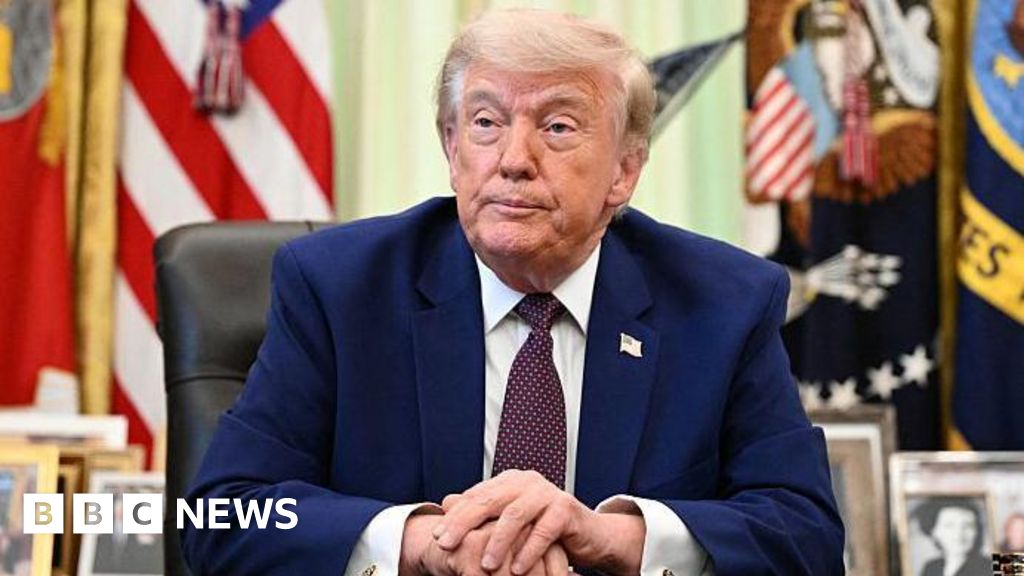
The White House says $700m in federal money will be used to keep coal plants open, open new mines and plants, and build a new export terminal. Trump cast the move as a way to lower energy costs, boost jobs and strengthen national security.
Trump wants to spend a lot of government money to keep old coal power places open and build new ones. He says this will help jobs and make electricity cheaper, like fixing a leaky pipe so the water bill does not keep rising.
Analysis
What the White House announced
Donald Trump said the federal government will put $700m behind the US coal industry. The package, he said, will help protect 14 coal plants and 42 coal mines, while also funding two new coal plants and a new export terminal. The administration says $500m of that money will go to saving existing coal plants and opening the terminal in California, while the Department of Energy will provide another $200m for new plants in Alaska and West Virginia.
The policy logic
Trump framed the move as a way to lower energy costs and support national security. To finance it, he invoked the Defense Production Act, a Cold War-era law that gives the president broad authority to back industries considered vital to national security. The article says the war with Iran and disruption to energy shipping routes helped push prices higher, giving the White House a reason to act.
Economic stakes
The president said the export terminal in Oakland would create more than 1,400 jobs and that the overall package would support around 14,000 jobs. He also claimed the plan would save consumers $50bn in new energy generation costs that might otherwise show up in higher bills. The article notes that the average US gasoline price was $4.24 a gallon on Thursday, up sharply from $2.98 on the day US and Israeli strikes on Iran began. It also cites Bureau of Labor Statistics data showing energy prices were 17.9% higher in the year to April.
Wider context
The announcement marks a notable push toward coal at a time when many energy systems are moving in the opposite direction. Trump also criticized renewable energy, arguing that successful countries rely on coal, while the plan itself includes the first new US coal plants since 2013.
Key points
- Trump said the federal government will commit $700m to support coal plants, mines and new facilities.
- The money will be distributed through the Defense Production Act, a law tied to national security.
- The administration says the package will protect 14 coal plants and 42 coal mines and support about 14,000 jobs.
- A new export terminal in Oakland is expected to create more than 1,400 jobs, according to Trump.
- The announcement comes as US energy prices have risen after the conflict with Iran.
If the plan works as Trump describes, it could keep several coal plants and mines operating, protect jobs, and add new energy supply. The White House says that could ease pressure on consumer bills if it prevents higher generation costs from being passed on.
The plan could also lock in more spending on coal just as the energy system is changing, which may create tension with cleaner power sources. If the expected cost savings or jobs do not materialize, the federal funding could become a costly subsidy with limited payoff.