Trump Announces Tariffs on Imported Solar Panels Reaching 100%
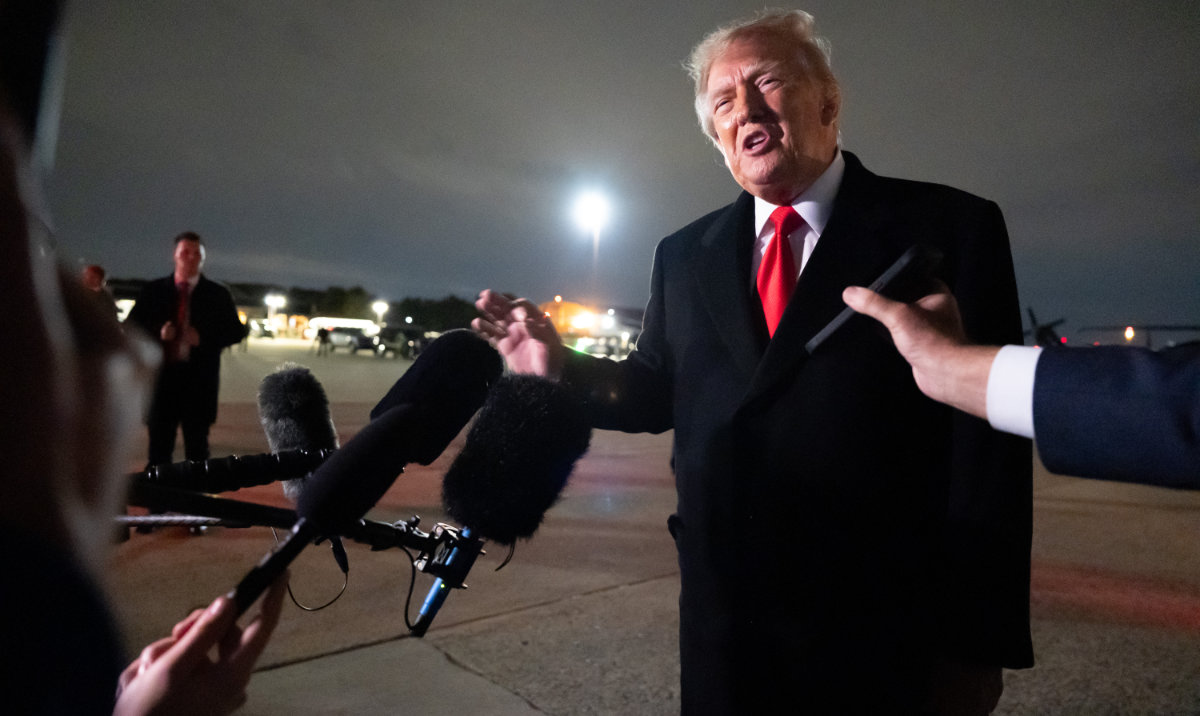
US President Donald Trump has signed an executive order imposing tariffs of up to 100% on imported solar panels and their components, primarily from China. The move aims to protect national security and promote domestic manufacturing.
Intelligence analysis by Llama
The US government has introduced tariffs on imported solar panels to protect national security and promote domestic manufacturing. The tariffs will be up to 100% on imported solar panels and their components, primarily from China.
Imagine you're building a house and you need solar panels to power it. The US government is making it harder for people to import solar panels from other countries, like China. This is because they want to protect their country's security and help their own companies make solar panels instead.
Analysis
Background on the US-China Trade Tensions
The US-China trade tensions have been escalating over the past few years, with the US imposing tariffs on various Chinese goods. The latest move by the US government to impose tariffs on imported solar panels is a continuation of this trend. The tariffs will be up to 100% on imported solar panels and their components, primarily from China.
Implications for the Solar Industry
The imposition of tariffs on imported solar panels will have significant implications for the solar industry. The tariffs will make imported solar panels more expensive, which may lead to a decrease in demand. This may also lead to a shift in the global supply chain, with manufacturers looking to set up shop in the US to avoid the tariffs.
National Security Concerns
The US government has cited national security concerns as the reason for imposing the tariffs. The government believes that the reliance on imported solar panels poses a risk to national security. By imposing tariffs, the government aims to promote domestic manufacturing and reduce the country's dependence on foreign goods.
Impact on the Middle East
The imposition of tariffs on imported solar panels will also have an impact on the Middle East. The region is a significant player in the global solar industry, and the tariffs may lead to a decrease in demand for solar panels. This may also lead to a shift in the global supply chain, with manufacturers looking to set up shop in the region to avoid the tariffs.
Key points
- The US government has imposed tariffs of up to 100% on imported solar panels and their components, primarily from China.
- The move aims to protect national security and promote domestic manufacturing.
- The tariffs will have significant implications for the solar industry, including a potential decrease in demand and a shift in the global supply chain.
If this development plays out positively, it could lead to an increase in domestic manufacturing of solar panels, creating jobs and stimulating economic growth in the US.
However, the imposition of tariffs on imported solar panels could lead to a decrease in demand, making it harder for companies to compete and potentially leading to job losses.