Trump claims back channel with IRGC officials as Tehran says Islamabad deal still alive
Trump told Fox News there is a back channel with IRGC officials and no timeline on Iran, urging Tehran to 'raise the white flag.' Iran denied direct IRGC talks with Washington, while insisting the Islamabad memorandum of understanding has not collapsed.
Intelligence analysis by Llama
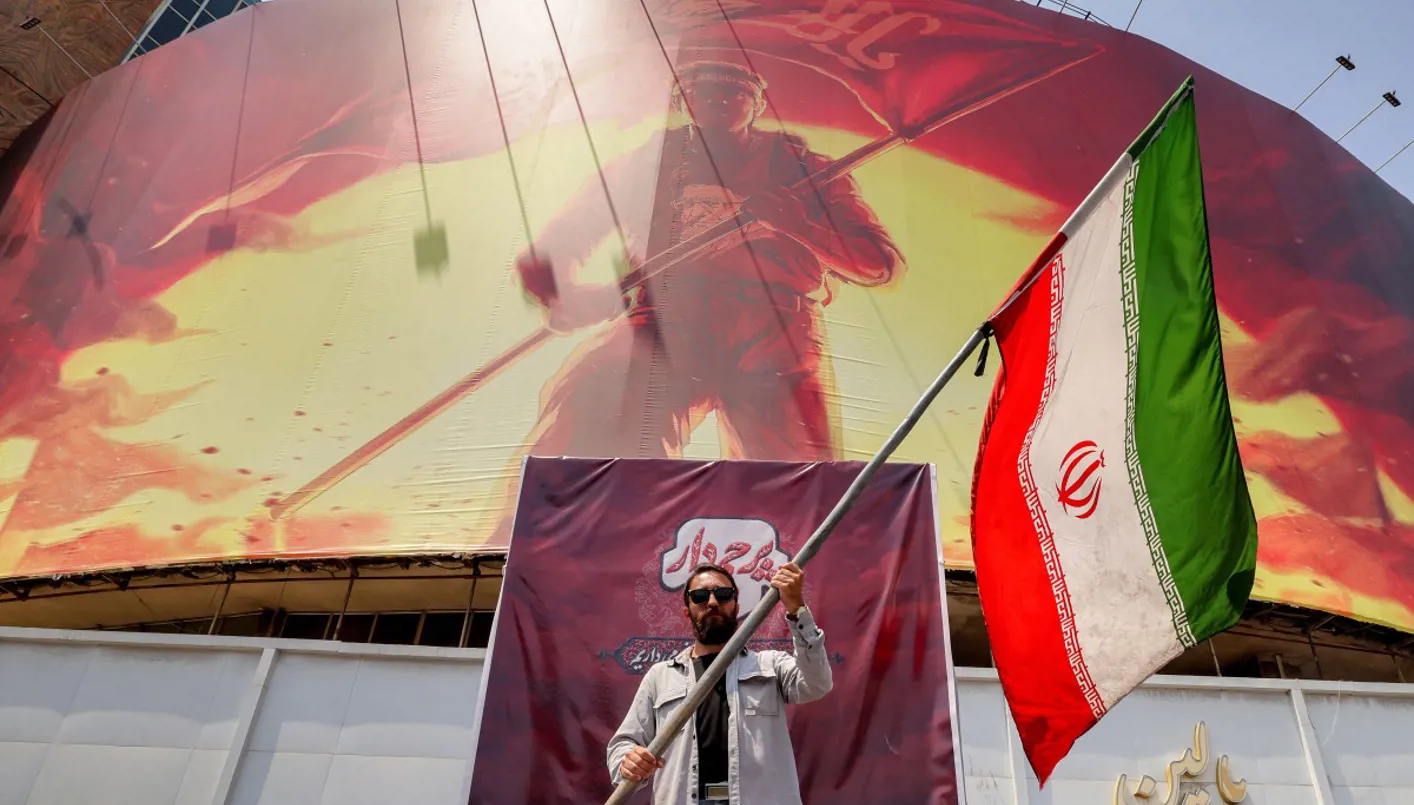
Trump asserts a covert communication line with Iran's Revolutionary Guards and pressures Tehran to surrender, while Iranian officials reject direct IRGC-US talks but keep the Islamabad MOU alive. A Pakistani source says negotiations continue over the Strait of Hormuz, and a senior Iranian official warned of regional escalation if diplomacy fails.
Two big stories in one: America and Iran are still arguing, and Trump says he has secret lines to Iran's powerful guard, but Iran says no. They signed a deal in June that didn't become a final peace, and both sides are pretending it's still alive while threatening to fight if talks break down. At the same time, Trump told Israel to pause attacks in Gaza because he says he's making progress with Hamas.
Analysis
The Strait of Hormuz bargaining chip
A senior Iranian official told Reuters that Iran will escalate tension in the Strait of Hormuz and across the region if the diplomatic track with Washington collapses, framing a shift from a defensive posture to an offensive one. That warning sits alongside reporting from a Pakistani government source, carried by the US channel MS NOW, that negotiations between Washington and Tehran continue with the explicit goals of reopening the strait and ending the war. The strait is the maritime chokepoint through which a significant share of global seaborne oil passes, which is why Iranian threats to weaponise it carry weight well beyond the bilateral US-Iran relationship. Trump separately emphasised that the US naval blockade is still applying new economic pressure on the Iranian system, suggesting Washington is willing to let the squeeze work while talks continue. The combination of blockade, sanctions, and an active negotiating track is the architecture that US policy currently rests on, and any disruption in the strait would expose the limits of that architecture.
The Islamabad memorandum of understanding in 'a coma'
The June memorandum of understanding signed in Islamabad called for a halt to hostilities and a 60-day runway to a final agreement covering the nuclear file and other disputes. That deadline passed without a deal, and the two sides have traded accusations of violations. Iran's foreign ministry legal affairs director described the document as 'in a coma' but said it could still be revived, while the foreign ministry itself insisted the agreement 'has not fallen' and that the path back to it remains open. The dual language is deliberate: it preserves Iranian room to either re-enter talks or to walk away without formally abandoning the document. The article also notes that a senior Iranian official said Tehran is prepared for all options and has repeatedly proven willing to defend itself firmly if the diplomatic path fails. The MOU's ambiguous status gives both governments a face-saving frame for either renewed talks or a clean break.
The IRGC back-channel claim and the Hamas-Israel track
Trump's most striking claim to Fox News is that there is a back channel of communication with officials inside the Islamic Revolutionary Guard Corps and that he is not in a hurry. The IRGC spokesman pushed back hard, telling Tasnim that there are no negotiations between IRGC officials and Washington and that diplomacy is the responsibility of other bodies, citing repeated US violations of commitments as the reason talks are not currently happening. That gap between Trump's public assertion and the IRGC's denial is itself a signal, and it suggests either a low-level contact that Tehran's security establishment is unwilling to acknowledge, or a US bid to apply psychological pressure by inflating the relationship. On a second front, Trump said Israel should not launch attacks on Gaza at the moment, claimed positive progress on disarming Hamas, and described US relations with the movement as 'special' — language that is striking from a US president and that complicates the public posture of both the Israeli government and Hamas. Trump also said midterms do not affect his Iran thinking, hinting that the pressure campaign is meant to outlast any domestic political cycle.
Key points
- Trump told Fox News there is a back channel with IRGC officials and no timeline on Iran, while urging Tehran to 'raise the white flag' of surrender.
- The IRGC spokesman told Tasnim there are no talks between IRGC officials and Washington, blaming repeated US breaches of commitments.
- Iran's foreign ministry said the Islamabad memorandum of understanding has not fallen and that returning to it remains possible, while a legal affairs director called it 'in a coma'.
- A Pakistani government source said negotiations continue to reopen the Strait of Hormuz and end the war; a senior Iranian official warned of regional escalation if diplomacy fails.
- Trump said Israel should not attack Gaza at present, claimed positive progress on disarming Hamas, and described US ties with the movement as 'special'.
If the Islamabad memorandum can be revived, as Iranian officials publicly insist is possible, the door opens to a wider settlement that includes reopening the Strait of Hormuz and a new framework on the nuclear file. Trump's claim of a back channel with IRGC officials, even if contested by Tehran, suggests both governments see value in keeping a line open rather than letting the confrontation drift into open conflict.
A senior Iranian official's warning that Tehran will escalate in the Strait of Hormuz and the wider region if diplomacy fails points to a real risk of a broader regional flare-up, especially while the US naval blockade continues to apply economic pressure. The IRGC's outright denial of any contact with Washington, combined with Trump's talk of a 'white flag' and the claim that Iran is 'breathing its last', leaves little room for the kind of quiet compromise that would be needed to keep the process on the rails.
Market signals
- OIL A senior Iranian official's warning to Reuters of escalation in the Strait of Hormuz if diplomacy fails, alongside an active US naval blockade, raises the supply-route risk premium for crude.
- XAU Renewed US-Iran rhetoric, a stalled Islamabad MOU and explicit threats around the Strait of Hormuz support safe-haven demand for gold according to the article's framing.
AI-generated analysis of potential market relevance. Not financial advice.