Trump had no plan B for Iran. It shows | Kenneth Roth
The piece argues Trump’s Iran bombing strategy failed and pushed oil, gas and inflation risks higher while leaving core nuclear issues unresolved.
Intelligence analysis by GPT-5.4 Mini
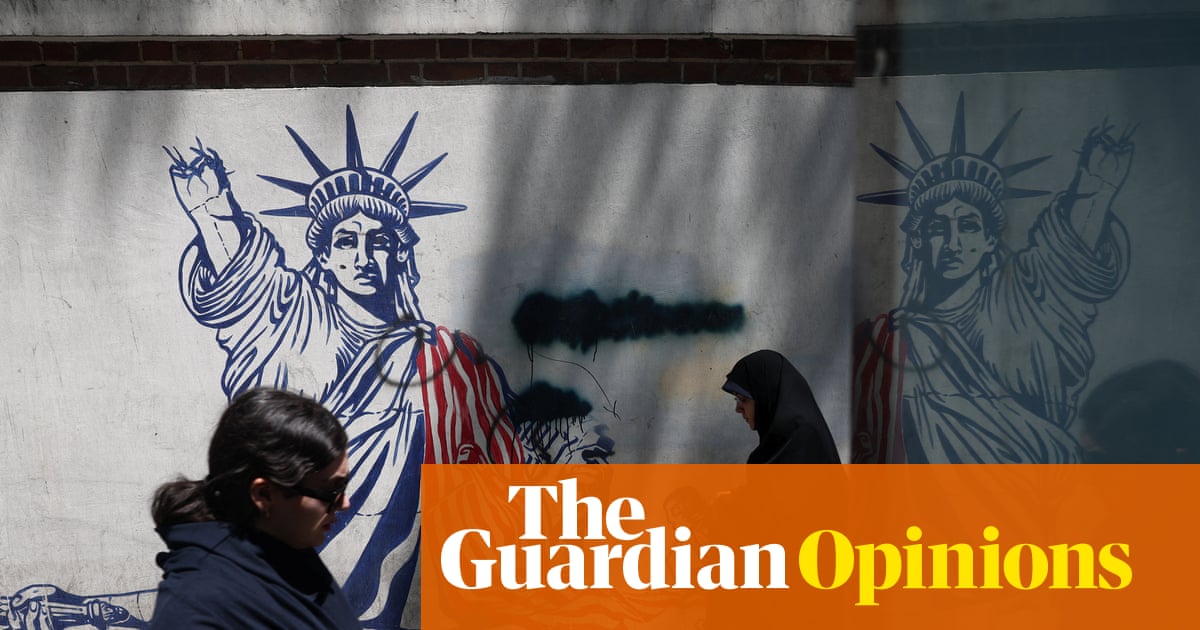
Kenneth Roth says Trump’s war-first approach to Iran has achieved little beyond worsening leverage for Tehran and exposing the absence of a fallback plan. The biggest economic consequence, he argues, is the real risk to global energy flows through the Strait of Hormuz.
This story is about a fight that could make fuel more expensive for a lot of people. The Strait of Hormuz is like a giant shipping gate for oil and gas, and when that gate gets blocked, prices can jump far away from the fighting.
The writer says Trump tried to solve the Iran problem by using force, but that did not fix the main issue. It was like trying to mend a broken bike by hitting it with a hammer: things got worse, but the bike still did not work.
Now the talks are back to where they were before the war, while everyone worries about energy prices and inflation. That matters because when fuel costs rise, many other things can get pricier too, from shipping to groceries.
Analysis
What the article argues
Kenneth Roth says Trump’s Iran policy has become a case study in failed bargaining. In his telling, the administration abandoned the 2015 nuclear deal, then tried to force a better outcome through bombing and sanctions, only to end up back near the original negotiating position.
Why the economic stakes are high
The article’s main economy angle is the Strait of Hormuz. Roth notes that a large share of global oil and liquefied natural gas passes through the waterway, so any disruption quickly becomes a world economic problem. He says Iran has already turned that chokepoint into a real weapon, while attacks on Gulf energy facilities have magnified the pressure.
Trump’s rush to escalate, Roth argues, also depleted US arms stockpiles without solving the nuclear issue. He says the proposed memorandum being discussed would mostly restore the pre-war status quo, with the hard questions about uranium enrichment, highly enriched uranium and broader limits still deferred.
What the piece says about leverage
Roth argues that Trump now needs the strait reopened because higher fuel costs can feed inflation and create political damage at home. That gives Tehran leverage in the talks, including reported demands for frozen assets and sanctions relief before deeper nuclear talks begin. The piece frames the result as a strategic and economic setback: more risk, higher costs, and no clear path to a better deal.
Key points
- Roth says Trump’s Iran campaign has failed to produce a better nuclear deal.
- The article argues the main economic danger is disruption to oil and liquefied natural gas flows through the Strait of Hormuz.
- Higher fuel costs could add inflation pressure and hurt Trump politically at home.
- The proposed interim deal would likely postpone, rather than solve, the core enrichment question.
- Iran is portrayed as having gained leverage after the escalation.
If the proposed ceasefire and memorandum hold, oil and gas shipments through the Strait of Hormuz could resume more normally. That would reduce pressure on energy markets and ease some of the inflation risk the article highlights.
If Iran keeps using the Strait of Hormuz as leverage, global energy flows could remain under threat and fuel prices could stay elevated. The article also suggests the nuclear issue may remain unresolved, leaving the region vulnerable to another escalation.