Trump Imposes New Tariffs on Imports from 60 Countries
US President Donald Trump has announced new tariffs of 10-12.5% on imports from 60 countries, including the European Union, citing inadequate measures against forced labor. The tariffs will take effect on Friday, July 28, at 06:01 UTC.
Intelligence analysis by Llama
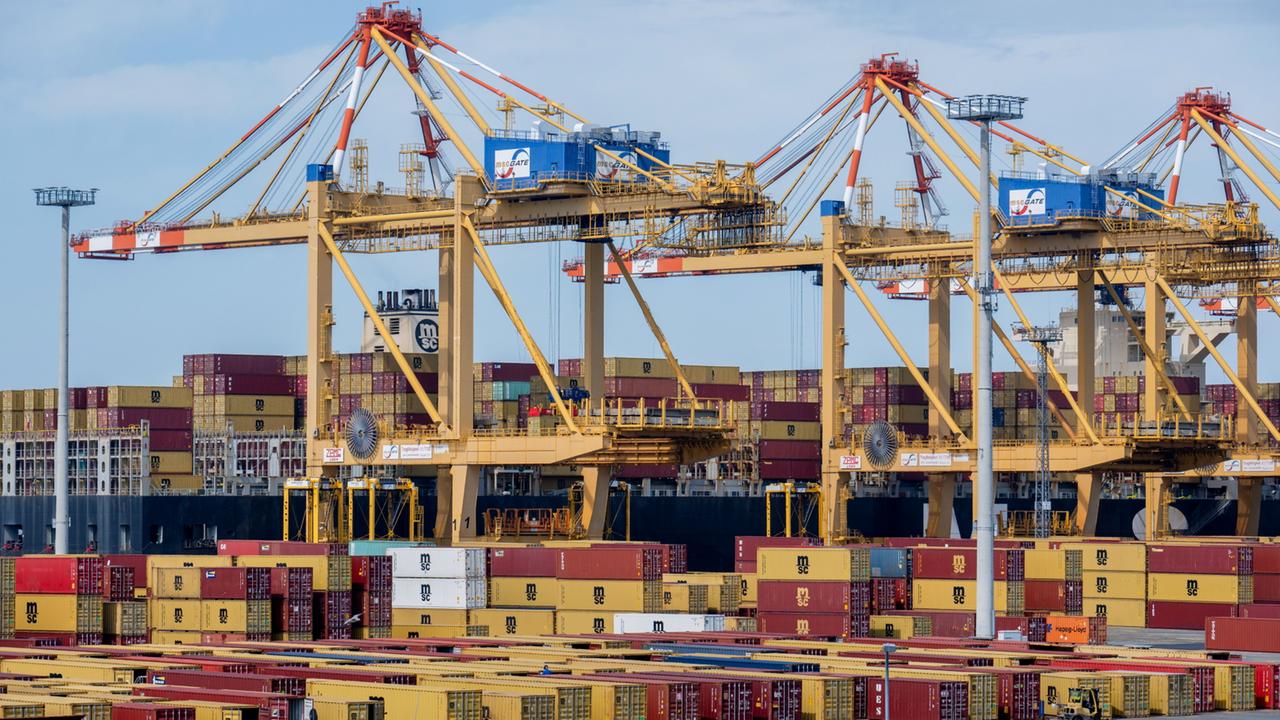
US President Trump has imposed new tariffs on imports from 60 countries, including the European Union, due to inadequate measures against forced labor. The tariffs will take effect on Friday, July 28.
Imagine you're playing a game where countries trade goods with each other. The US President is like the game master, and he's just imposed new rules on 60 countries, including the EU, to make sure they're not using unfair labor practices. This means that some goods from these countries might become more expensive for Americans to buy.
Analysis
A $60B Vote of Confidence
The US President's decision to impose new tariffs on imports from 60 countries, including the European Union, is a significant development in the ongoing trade tensions between the two economic powers. The tariffs, which will take effect on Friday, July 28, are a response to what the US administration perceives as inadequate measures against forced labor in these countries. This move is seen as a vote of confidence in the US President's ability to take decisive action on trade policy, despite the potential risks and consequences for the global economy.
Why Cursor?
The European Union has been a key target of the US President's trade policies, and this latest move is likely to exacerbate tensions between the two sides. The EU has been critical of the US President's approach to trade, which it sees as protectionist and damaging to the global economy. The EU has also been working to strengthen its own trade relationships with other countries, including China and India, in an effort to reduce its dependence on the US market.
The Road Ahead
The implications of this development are far-reaching and will likely have significant consequences for businesses and economies around the world. The US President's decision to impose new tariffs on imports from 60 countries is a clear signal that he is willing to take bold action on trade policy, even if it means risking a trade war with key partners like the EU. As the situation unfolds, it will be essential to monitor the impact on global trade flows, commodity prices, and economic growth.
Key points
- US President Trump has imposed new tariffs on imports from 60 countries, including the European Union.
- The tariffs are a response to inadequate measures against forced labor in these countries.
- The EU has been critical of the US President's approach to trade, which it sees as protectionist and damaging to the global economy.
- The implications of this development are far-reaching and will likely have significant consequences for businesses and economies around the world.
If this development plays out positively, it could lead to increased transparency and accountability in labor practices across the globe, benefiting workers and consumers alike. Additionally, the EU and the US might engage in constructive dialogue to resolve their trade disputes, potentially leading to a more stable and predictable trade environment.
The realistic downside risks of this development include a potential trade war between the US and the EU, leading to increased tariffs, reduced trade flows, and economic instability. This could also lead to retaliatory measures from other countries, further exacerbating the situation.