Trump Imposes Up to 100 Percent Tariffs on Certain Drones for National Security Reasons
President Trump has imposed tariffs up to 100 percent on drones over 25kg or with sensitive features, forcing operators to find other suppliers or settle for less capable models.
Intelligence analysis by Qwen 2.5 (3B)
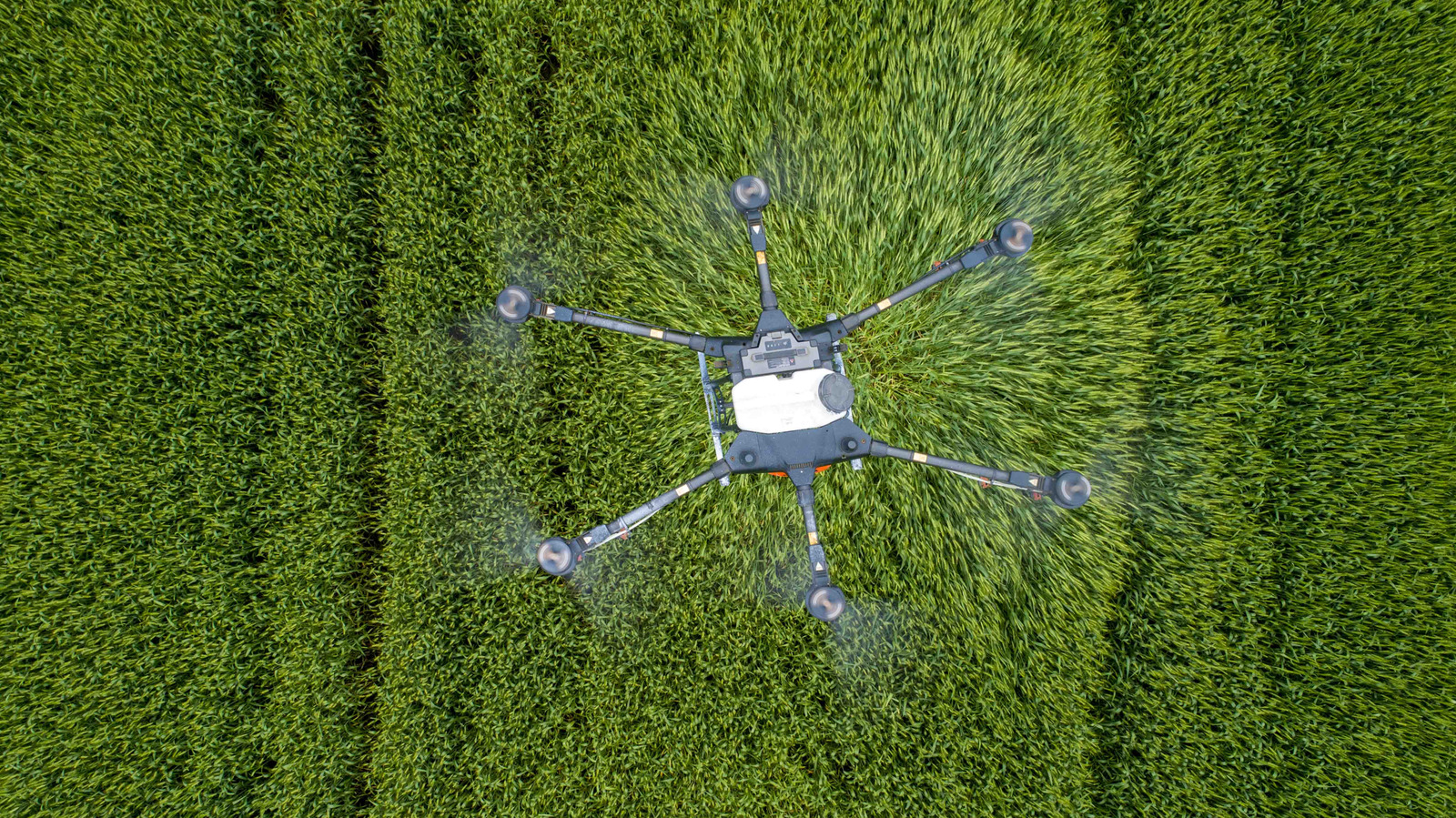
US President imposes tariffs on certain drone types deemed 'sensitive' for national security reasons, affecting both commercial and military uses.
The US government said some drone types that can be used for spying or other sensitive stuff will now cost more. This means people who use these drones might have to find cheaper ones from other countries.
Analysis
{"#White_House_Tariffs":"- The White House announced tariffs up to 100 percent on drones over 25kg or with docking stations, thermal imaging capabilities. These include commercial models used for power line inspection, crop spraying, and search and rescue operations.\n- Drones under 25kg will face a 25 percent tariff, while EU, Japanese, Korean, Swiss, and Taiwanese drones will be subject to a 15 percent levy if their components are primarily made in those countries. UK drones will see a 10 percent tariff.","#National_Security":"- The tariffs aim to strengthen national security by limiting the supply of sensitive drone technologies from China.\n- They also encourage 'on-shoring' of drone component manufacturing, with incentive programs for US companies investing in new drone projects.","#Supply_Chains_and_Market_Shocks":"- The move is seen as a response to recent FCC actions and current bans on DJI products.\n- It could impact the market share of Chinese-made drones, which are currently dominant in the US."}
Key points
- Trump imposes tariffs on certain drone types
- Aims to strengthen national security by limiting sensitive drone technologies
- Encourages domestic manufacturing of drone components
- Could impact market share of Chinese-made drones in the US
This could encourage American companies to make their own drone parts, which is good for the economy and job creation.
It may lead to higher costs for consumers using these drones and reduce competition from Chinese-made products.


