Trump paused attacks on Iran to make space for talks, US ambassador says
President Trump paused US attacks on Iran for a second night to allow for diplomatic talks, a move reciprocated by Tehran, leading to a sharp drop in global oil prices.
Intelligence analysis by Gemini 2.5 Flash
The US ambassador to the UN stated that President Trump halted military strikes against Iran to create an environment for negotiations, despite earlier escalating tensions and a breakdown of a previous ceasefire. This pause, which Iran also reciprocated, has notably impacted global oil markets.
Imagine two big countries, America and Iran, were having a fight, and everyone was worried about their lunch money (oil prices). Suddenly, they stopped fighting for a bit to talk, and everyone felt a little calmer, so the price of lunch money went down. But the big countries are still deciding what to do next, and the path ahead is uncertain.
Analysis
A Diplomatic Opening Amidst Escalation
The recent decision by President Donald Trump to pause military strikes against Iran for a second consecutive night signals a potential, albeit fragile, shift towards de-escalation in the volatile Middle East. This move, confirmed by US ambassador to the UN Mike Waltz, was explicitly aimed at "giving talks some space," suggesting a strategic effort to open a diplomatic window. The gesture was notably reciprocated by an Iranian army spokesperson, who announced a halt to their own "retaliatory" attacks in the region. This pause comes after a period of intense tit-for-tat exchanges, which had effectively dismantled a ceasefire agreement established just a month prior in June.
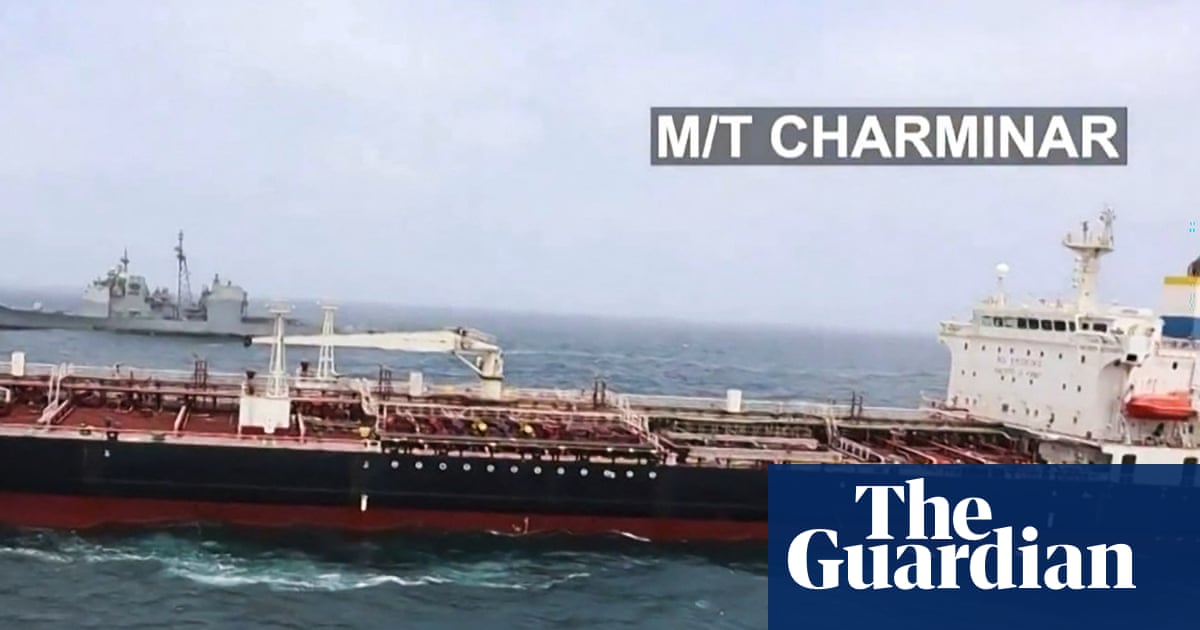
The renewed hostilities earlier this month saw Iranian forces attacking tankers in the Strait of Hormuz, prompting immediate US airstrikes and a reinstatement of a naval blockade. Iran's subsequent retaliation against US military facilities resulted in American casualties, further escalating the conflict that has already claimed thousands of lives since February. Despite the current pause, Ambassador Waltz was careful to emphasize that "all options" remain on the table, indicating that the US is not ruling out further military action if diplomatic efforts falter.
The Strait of Hormuz and Global Energy Markets
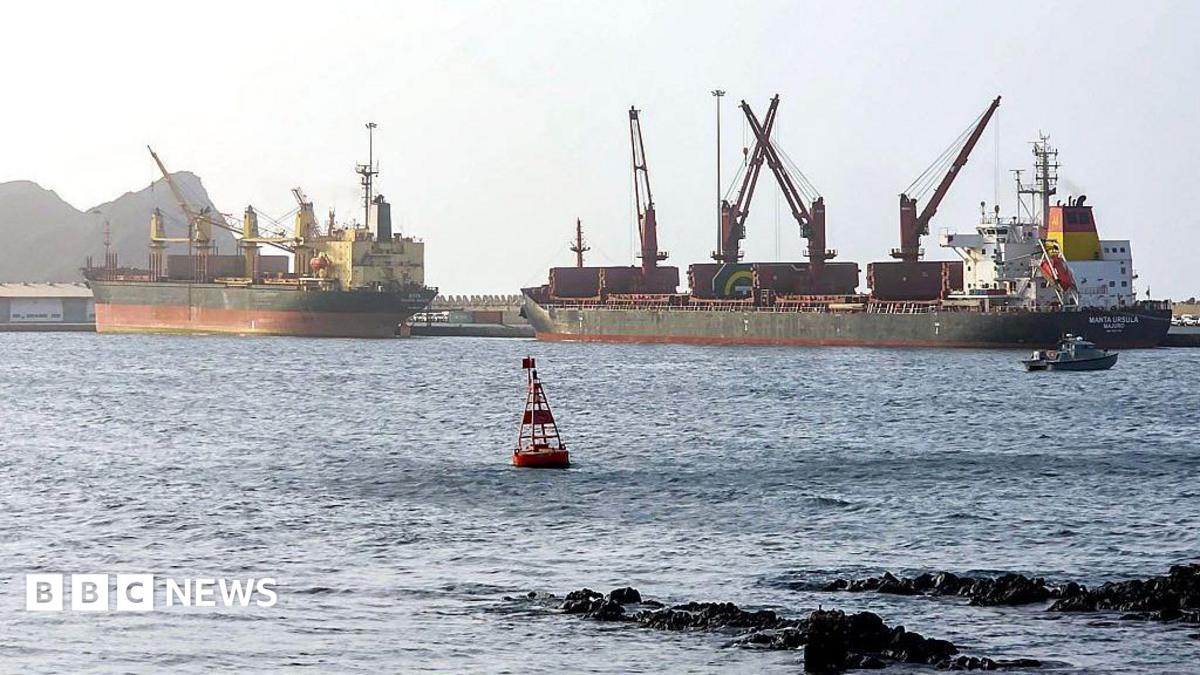
The immediate economic consequence of this diplomatic pause was a sharp drop in global oil prices. After reaching $100 per barrel last week for the first time since May, prices opened at $91 per barrel on Monday morning. This fluctuation underscores the critical role of the Strait of Hormuz, a narrow waterway that serves as one of the world's most vital chokepoints for oil, liquid natural gas, and other essential commodities. Disputes over its control were the initial spark for the latest round of US-Iran tensions, highlighting its strategic importance to global energy security and international trade.
The UK's new Defence Secretary, Wes Streeting, is scheduled to meet his US counterpart to discuss the strait's security, emphasizing the international alignment on "securing maritime freedom and free commercial shipping." The vulnerability of this route to military conflict directly impacts global supply chains and energy costs, making any de-escalation a significant factor for market stability. The recent price surge to $100 a barrel was a direct reflection of fears over global energy supplies being disrupted by the renewed fighting, demonstrating how quickly geopolitical tensions translate into economic realities.
Political Stance and Public Discontent
While the US ambassador articulated the administration's rationale for the pause, President Trump himself remained publicly silent on the developments as of Sunday evening. However, his earlier posts on Truth Social, featuring computer-generated images of US military planes bombing Iranian ships and Kharg island, suggest a continued hardline stance or a desire to project strength even while diplomacy is pursued. This dichotomy highlights the complex political messaging surrounding the conflict.
Ambassador Waltz also directly refuted New York Times reports suggesting that expanding hostilities could deplete US air defense munitions, asserting the military's full capability. Domestically, the war, now nearing its fifth month, faces significant public opposition in the US. A CBS/YouGov poll indicates that 57% of Americans are frustrated with the conflict, with only 19% expressing optimism. This widespread public discontent adds another layer of pressure on the administration to seek a resolution, whether through diplomacy or other means, as President Trump prepares to meet Israeli Prime Minister Benjamin Netanyahu, a key regional ally, in the coming days.
Key points
- The US paused attacks on Iran for a second night to create space for diplomatic talks.
- Iran reciprocated by halting its "retaliatory" attacks in the region.
- Global oil prices dropped sharply, opening at $91 per barrel after hitting $100 last week.
- The Strait of Hormuz remains a critical point of contention for global energy transport.
- The conflict is largely unpopular in the US, with 57% of Americans expressing frustration.
The pause in hostilities could lead to renewed diplomatic efforts and a de-escalation of the conflict, potentially stabilizing the Middle East and ensuring the free flow of oil through the Strait of Hormuz, which would benefit global economic stability and reduce energy costs.
Despite the temporary pause, underlying tensions remain high, and the conflict could easily reignite, leading to further instability, disruptions in global energy supplies, and continued human cost, as indicated by the US ambassador's caution that "all options are on the table."
Market signals
- OIL Oil prices dropped sharply in the wake of the pause, opening at $91 per barrel after hitting $100 last week.
AI-generated analysis of potential market relevance. Not financial advice.