Trump pauses tariffs on Canadian imports, Carney says key work remains
US President Donald Trump announced a three-day pause on new 50 per cent tariffs set to go into effect on Canadian goods, citing a deal reached between the two countries. Canadian Prime Minister Mark Carney said substantial progress has been made, but key work remains to …
Intelligence analysis by Llama
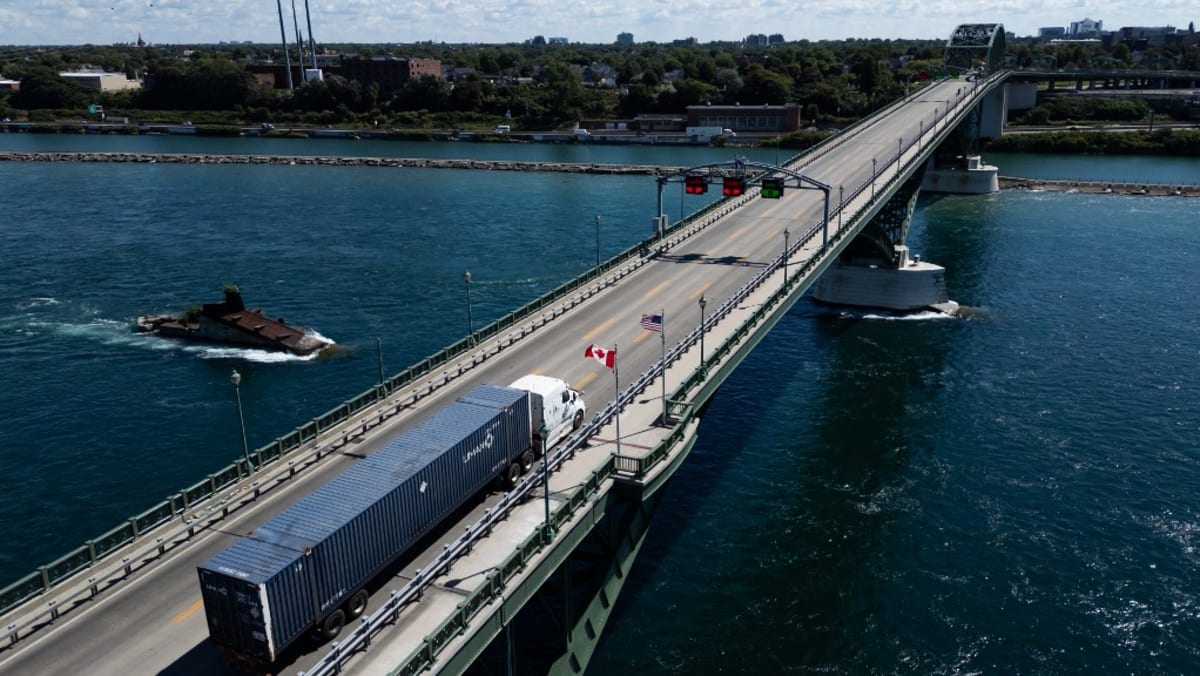
US President Donald Trump has put a three-day pause on new 50 per cent tariffs on Canadian goods, citing a deal reached between the two countries. Canadian Prime Minister Mark Carney said substantial progress has been made, but key work remains to be done.
Imagine you're a Canadian business owner who imports goods from the US. The US government just said they're going to charge you extra money for those goods. But then, the US president says 'wait, let's talk about this some more.' That's basically what's happening here. The US and Canada are talking about a deal that will affect how much money Canadian businesses have to pay for US goods.
Analysis
Tariff Deal: A Temporary Reprieve for Canadian Businesses
The recent announcement by US President Donald Trump to pause new 50 per cent tariffs on Canadian goods has brought relief to businesses in Canada. The tariffs, which were set to go into effect at midnight, would have affected about US$20 billion worth of Canadian imports. However, the deal reached between the two countries has provided a temporary reprieve for Canadian businesses, particularly those in vulnerable sectors such as lumber, wine, and dairy.
The new tariffs would have had a significant impact on these sectors, leading to job losses and business closures. The dispute between the US and Canada has also complicated broader USMCA negotiations. The Canadian government has been working to address US concerns related to duties on dairy products, alcoholic beverages, and motor vehicles.
Keystone XL Pipeline: A Potential Revival
In his social media post, Trump also mentioned the Keystone XL pipeline, a project that was cancelled by former President Joe Biden in 2021. The pipeline, which would have transported oil from Canada to the US, was a contentious issue during the Biden administration. Trump's mention of the pipeline has sparked speculation about its potential revival.
Trade Policies: A Central Pillar of Trump's Foreign and Trade Policies
The tariffs have been a central pillar of Trump's foreign and trade policies, despite legal setbacks and criticism from some analysts. The US has imposed tariffs on several countries, including Canada, Mexico, and the European Union, in an effort to protect American industries and jobs. However, the tariffs have also led to retaliatory measures from other countries, complicating global trade.
Implications for Trade and the Economy
The deal between the US and Canada has significant implications for trade and the economy, particularly for vulnerable sectors in Canada. The tariffs could have led to job losses and business closures, and the dispute has complicated broader USMCA negotiations. The Canadian government has been working to address US concerns related to duties on dairy products, alcoholic beverages, and motor vehicles.
In conclusion, the deal between the US and Canada has provided a temporary reprieve for Canadian businesses, particularly those in vulnerable sectors. However, the implications of the deal for trade and the economy are far-reaching and complex, and will require careful consideration and negotiation to resolve.
Key points
- US President Donald Trump has paused new 50 per cent tariffs on Canadian goods
- The tariffs would have affected about US$20 billion worth of Canadian imports
- The deal between the US and Canada has provided a temporary reprieve for Canadian businesses
- The Canadian government has been working to address US concerns related to duties on dairy products, alcoholic beverages, and motor vehicles
- The deal has significant implications for trade and the economy, particularly for vulnerable sectors in Canada
If the deal between the US and Canada is successful, it could lead to increased trade and economic cooperation between the two countries. This could have positive implications for businesses and industries in both countries, particularly those in vulnerable sectors.
However, the deal is not without its risks. If the US and Canada are unable to reach a agreement, it could lead to further trade tensions and economic instability. This could have negative implications for businesses and industries in both countries, particularly those in vulnerable sectors.