Trump Purchases Over 1,000 Securities Transactions, Including Berkshire, Visa, and Mastercard, in June Alone
According to the latest disclosure, Trump purchased over 1,000 securities transactions in June, including Berkshire, Visa, and Mastercard. This article provides an overview of the transactions and their implications.
Intelligence analysis by Llama
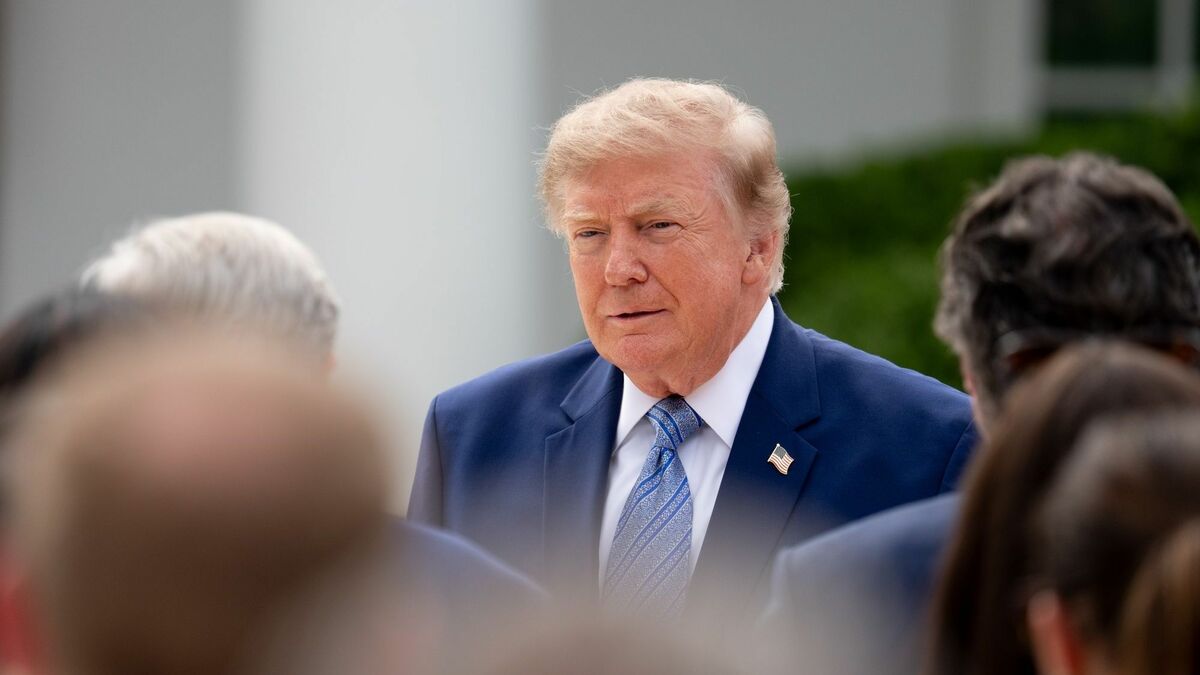
Trump's recent securities transactions have raised eyebrows, with the president purchasing over 1,000 transactions in June alone. The transactions include Berkshire, Visa, and Mastercard, among others. This article delves into the details of these transactions and their potential impact.
Imagine you have a big piggy bank where you save your money. Trump, the president, has a big piggy bank too, and he uses it to buy and sell things like companies and stocks. Recently, he bought a lot of things, including Berkshire, Visa, and Mastercard, which are all big companies that help people buy and sell things. This is like buying a lot of different toys for his piggy bank, and it's interesting to see what he's buying and why.
Analysis
Trump's Securities Transactions: A Closer Look
Trump's recent securities transactions have sparked interest among investors and analysts alike. The president's purchase of over 1,000 transactions in June alone, including Berkshire, Visa, and Mastercard, has raised questions about his investment strategies and their potential impact on the economy.
One of the most notable transactions is the purchase of Berkshire, a multinational conglomerate led by Warren Buffett. Trump's investment in Berkshire is significant, as it represents a major stake in the company. The implications of this investment are far-reaching, as Berkshire's success is closely tied to the overall health of the US economy.
Another notable transaction is the purchase of Visa, a leading payment technology company. Trump's investment in Visa is significant, as it represents a major stake in the company. The implications of this investment are far-reaching, as Visa's success is closely tied to the overall health of the global economy.
In addition to Berkshire and Visa, Trump also purchased Mastercard, a leading payment technology company. Trump's investment in Mastercard is significant, as it represents a major stake in the company. The implications of this investment are far-reaching, as Mastercard's success is closely tied to the overall health of the global economy.
Implications for the Economy
Trump's securities transactions have significant implications for the economy. The president's investment in Berkshire, Visa, and Mastercard represents a major stake in these companies, and their success is closely tied to the overall health of the US and global economies.
The implications of Trump's investments are far-reaching, as they have the potential to impact the overall health of the economy. The president's investment in Berkshire, Visa, and Mastercard represents a significant stake in these companies, and their success is closely tied to the overall health of the US and global economies.
Conclusion
In conclusion, Trump's securities transactions have significant implications for the economy. The president's investment in Berkshire, Visa, and Mastercard represents a major stake in these companies, and their success is closely tied to the overall health of the US and global economies.
Key points
- Trump purchased over 1,000 securities transactions in June alone.
- The transactions include Berkshire, Visa, and Mastercard, among others.
- The implications of Trump's investments are far-reaching, with potential impacts on the overall health of the US and global economies.
If Trump's investments in Berkshire, Visa, and Mastercard play out positively, it could have a positive impact on the overall health of the US and global economies. This could lead to increased economic growth and stability, benefiting investors and consumers alike.
However, if Trump's investments in Berkshire, Visa, and Mastercard do not play out as expected, it could have a negative impact on the overall health of the US and global economies. This could lead to decreased economic growth and stability, benefiting investors and consumers alike.