Trump recognized Resistance Front in MoU signed with Iran
Iran's Parliament Speaker says Trump recognized the Axis of Resistance by signing the Islamabad MoU. The US had demanded Iran set aside its missile and nuclear programs.
Intelligence analysis by Llama 3.3 70B
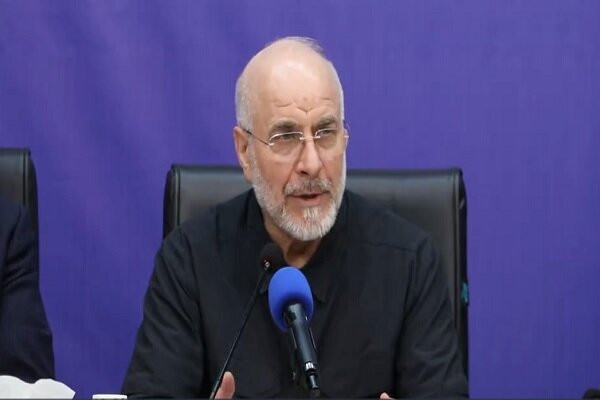
The MoU was signed despite US demands for Iran to halt its military programs. Iran halted ceasefire talks due to Israeli attacks on Lebanon.
Imagine a big argument between countries in the Middle East. Iran and the US are trying to make a deal, but it's hard because they don't agree on everything. Iran wants to support its friends, but the US sees them as enemies.
Analysis
Mohammad-Bagher Ghalibaf's Statement
The Parliament Speaker's comments provide insight into the negotiations between Iran and the US. According to Ghalibaf, Trump had initially insisted that Iran abandon its missile and nuclear programs, as well as its support for the Resistance Front. However, the final agreement recognized the Resistance Front, a significant concession by the US.
The Islamabad Memorandum of Understanding
The MoU was signed in an effort to ease tensions between Iran and the US. However, the agreement was put to the test when Israel launched attacks on Lebanon, prompting Iran to halt ceasefire talks. The incident highlights the challenges of negotiating a lasting peace in the region.
The Role of the Resistance Front
The Resistance Front, which includes groups like Hezbollah, has been a major point of contention between Iran and the US. The US has designated the group as a terrorist organization, while Iran sees it as a legitimate resistance movement. The recognition of the Resistance Front by the US is a significant development, and its implications are still being assessed.
Key points
- The US recognized the Resistance Front in the MoU
- Iran halted ceasefire talks due to Israeli attacks on Lebanon
- The agreement is a significant development in the region
If the agreement holds, it could lead to a reduction in tensions between Iran and the US, and potentially even a more stable Middle East. However, this is highly dependent on the actions of all parties involved.
The deal could fall apart if Israel continues to launch attacks on Lebanon, or if the US fails to uphold its end of the agreement. This could lead to further escalation and conflict in the region.