Trump Revisits Disputed Claims About Election Security and Declassifies Documents
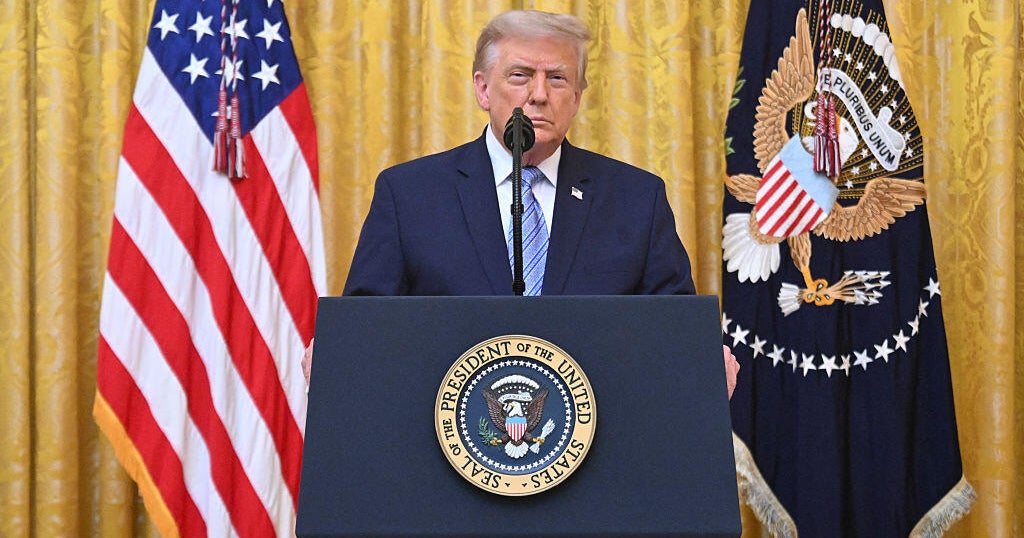
President Trump delivered a primetime address, revisiting claims about election security and declassifying documents. He alleged the U.S. election system falls 'catastrophically short' and made claims disputed by election experts.
Intelligence analysis by Llama
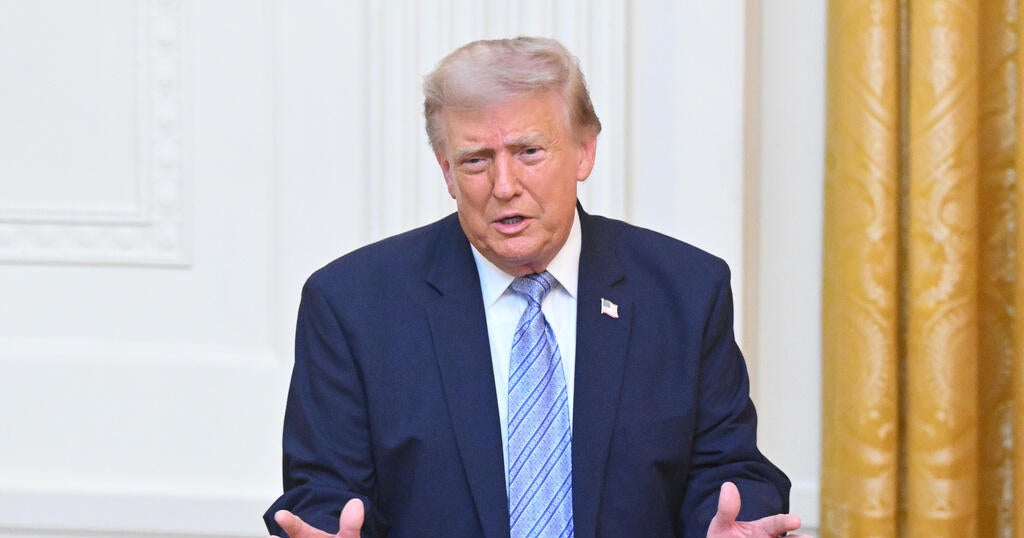
President Trump delivered a primetime address, revisiting claims about election security and declassifying documents. He alleged the U.S. election system falls 'catastrophically short' and made claims disputed by election experts. The White House released a trove of newly declassified documents on election security in conjunction with the address.
President Trump made some claims about election security in the United States. He said that the U.S. election system is not secure and that China has a lot of information about U.S. voters. However, election experts disagree with these claims, saying that voter registration data is public and that having access to it doesn't necessarily mean someone can commit fraud.
Analysis
A Pattern of Disputed Claims
President Trump's primetime address has reignited the debate over election security in the United States. The president's claims that the U.S. election system falls 'catastrophically short' and that China has acquired 220 million U.S. voter registration files are disputed by election experts. The White House released a trove of newly declassified documents on election security in conjunction with the address, but none of the newly released information alleges that any votes were switched or voting machines hacked.
The SAVE America Act
President Trump used part of his speech to push lawmakers to pass the SAVE America Act, a suite of controversial proposed election law changes, including requirements to show proof of citizenship to register to vote. The legislation remains stuck in limbo, with some Senate Republicans skeptical.
The Reality of Voter Registration Data
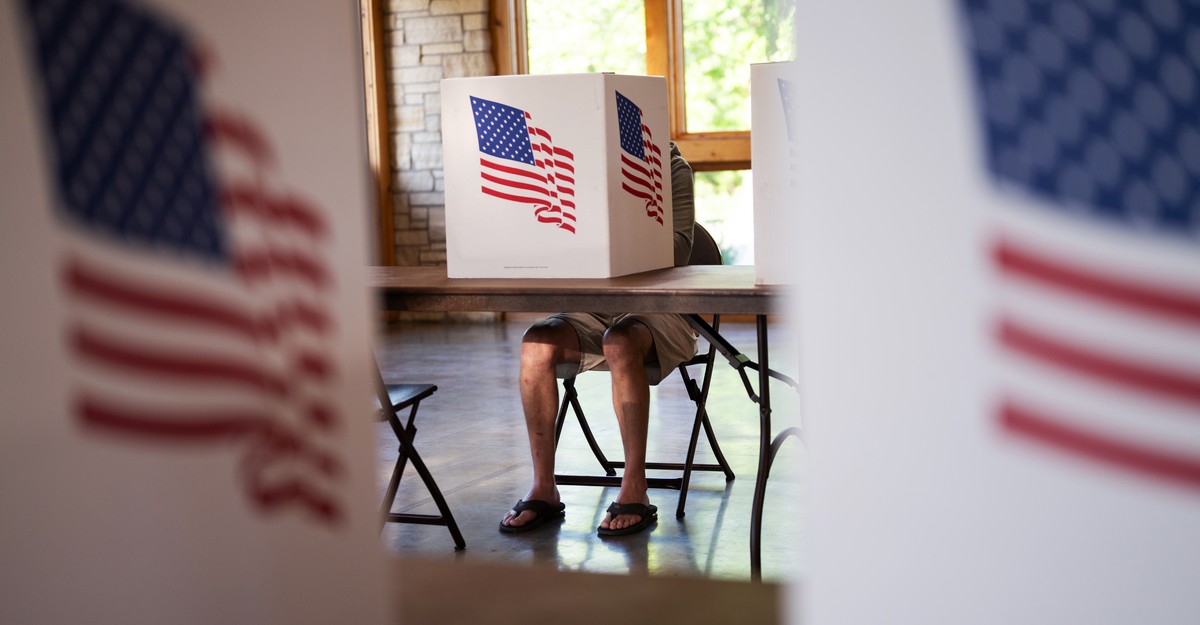
Voter registration data is publicly available, and some states post the information online. It's also not clear how China intended to use the data, and having access to voter rolls does not necessarily allow people to commit fraud. Election experts have disputed the president's claims, arguing that voter files in the United States are public.
The Intelligence Community's Assessment
The U.S. intelligence community assessed in March 2021 that no foreign actor 'attempted to alter any technical aspect of the voting process,' including the casting of ballots, the vote-counting process, or voter registrations. The National Intelligence Council publicly assessed shortly after the election that China stayed on the sidelines, deciding neither a Trump nor Biden presidency would be 'advantageous enough for China to risk getting caught meddling.'
Key points
- President Trump delivered a primetime address, revisiting claims about election security and declassifying documents.
- The White House released a trove of newly declassified documents on election security in conjunction with the address.
- Election experts have disputed the president's claims, arguing that voter files in the United States are public.
- The U.S. intelligence community assessed in March 2021 that no foreign actor 'attempted to alter any technical aspect of the voting process,' including the casting of ballots, the vote-counting process, or voter registrations.
If the SAVE America Act is passed, it could lead to increased security measures for the U.S. electoral process. However, the legislation remains stuck in limbo, and it's unclear whether it will be passed.
If the SAVE America Act is not passed, it could lead to continued disputes over election security and potentially undermine the integrity of the U.S. electoral process.