Trump says ‘I love the inflation’ as rate rises to 4.2% amid Iran war pressure
US inflation rose to 4.2% in May, its third straight monthly increase, as energy costs climbed after the Iran war began.
Intelligence analysis by GPT-5.4 Mini
New US data show inflation accelerating to a three-year high, with energy prices driving much of the increase after the Iran conflict disrupted oil markets. The White House shrugged off the report, but the higher readings add pressure on the Federal Reserve and complicate the outlook for rates.
Prices are climbing faster again, mostly because energy got more expensive after the war started. It is like a family budget suddenly getting hit by a bigger gas bill every month, which leaves less money for everything else.
Analysis
Inflation keeps climbing
The latest consumer price data showed US inflation rising to an annual rate of 4.2% in May, up from 3.8% in April and 3.3% in March. Before the Iran conflict began, inflation had been 2.4% in February, so the report marks a sharp recent acceleration.
Energy is doing most of the damage
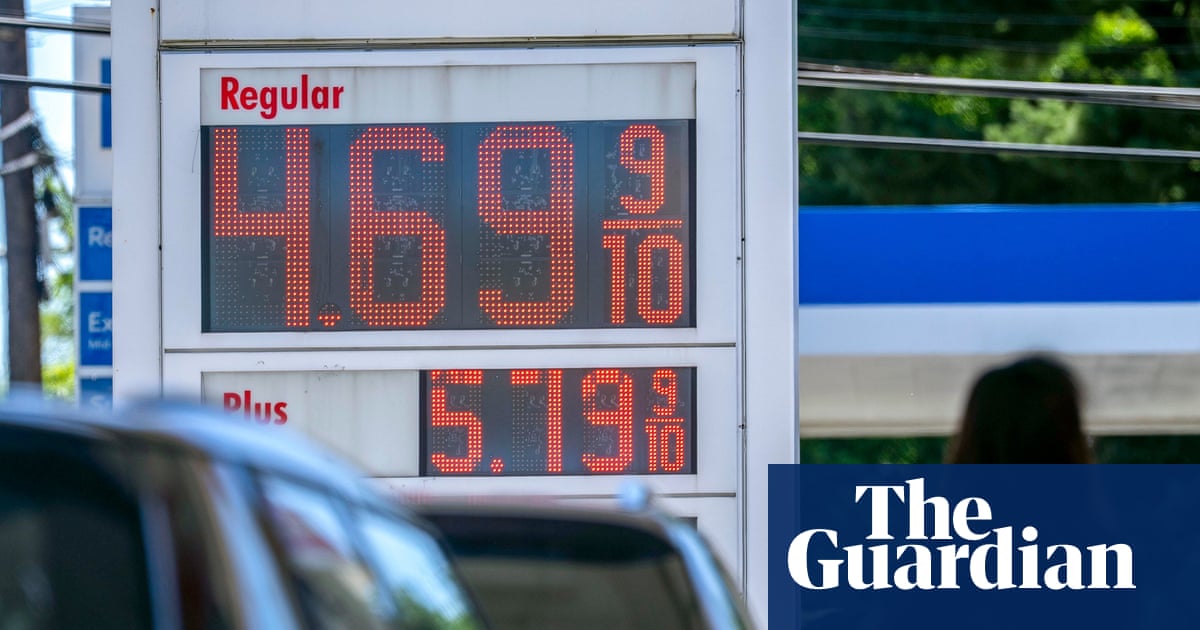
The Bureau of Labor Statistics said energy prices were responsible for about 60% of the monthly increase. Gasoline remains a major pressure point, with AAA putting the national average at $4.15 a gallon. Air fares were also up sharply on an annual basis, and food, energy services, and clothing all moved higher.
Politics and policy are colliding
Donald Trump downplayed the figures and said he was not worried about inflation because of developments in the conflict. The White House said the numbers were in line with expectations and argued that its broader agenda was still helping households. Still, the report strengthens the case for caution at the Federal Reserve, which has held rates steady since the end of last year and is targeting 2% inflation.
What happens next
The article says higher prices have already worsened consumer mood, with households becoming more pessimistic about inflation, jobs, and layoffs. Some Wall Street economists now expect the Fed to delay cuts, and JPMorgan warned that an energy price spike could squeeze purchasing power further if the Strait of Hormuz remains closed.
Key points
- US inflation rose to 4.2% in May, the third straight monthly increase.
- Energy prices drove most of the gain, according to the Bureau of Labor Statistics.
- Gas averaged $4.15 a gallon nationally, and air fares also rose sharply.
- The higher inflation reading adds pressure on the Federal Reserve ahead of its next meeting.
- Consumer sentiment and inflation expectations have already worsened.
If energy prices stabilize, the biggest driver of the inflation jump could ease. That would give the Federal Reserve more room to keep policy steady and eventually consider lower rates if inflation cools again.
If the Strait of Hormuz stays closed or energy costs keep rising, inflation could stay elevated or move higher. That would squeeze household budgets, weaken consumer confidence, and make rate cuts less likely.