Trump says Iran must choose between 'a Deal, or Total Surrender'
Iran was set to carry out attacks in Ukraine before Kyiv had issued an apology, a top military adviser to Supreme Leader Mojtaba Khamenei said on Monday. US President Donald Trump’s 'Board of Peace' said that an essential prerequisite of Israel’s withdrawal from Gaza is H…
Intelligence analysis by Llama

Iran's military had prepared to strike Ukraine before the plan was scrapped, while the US has imposed a naval blockade on Iranian ports. The US and Israel have also made conflicting demands on Hamas, with the US requiring its disarmament for Israel's withdrawal from Gaza.
Imagine you're playing a game of chess with your friend. You've been planning a big move, but then you realize your friend has a secret plan to block your move. That's kind of what's happening in the Middle East right now. Iran and the US are playing a game of cat and mouse, with each side trying to outmaneuver the other. Meanwhile, Israel and Hamas are fighting in Gaza, and it's getting more and more violent. The international community is trying to help, but it's a complex and difficult situation.
Analysis
Iran's Military Strikes: A Missed Opportunity or a Calculated Move?
The revelation that Iran's military had prepared to strike Ukraine before the plan was scrapped raises questions about the motivations behind this decision. Was it a missed opportunity for Iran to demonstrate its military capabilities, or a calculated move to avoid escalating tensions with Ukraine?
The fact that Iran's armed forces had completed preparations for the strikes before the plan was scrapped suggests that the decision was not taken lightly. It is possible that Iran was waiting for a specific signal from Ukraine before proceeding with the strikes, or that it was simply testing the waters to gauge the international community's response.
Regardless of the motivations behind this decision, the fact remains that Iran's military had prepared to strike Ukraine. This raises concerns about the potential for future military conflicts in the region and the need for diplomatic efforts to prevent such escalations.
The US Naval Blockade: A New Front in the Iran-US Conflict?
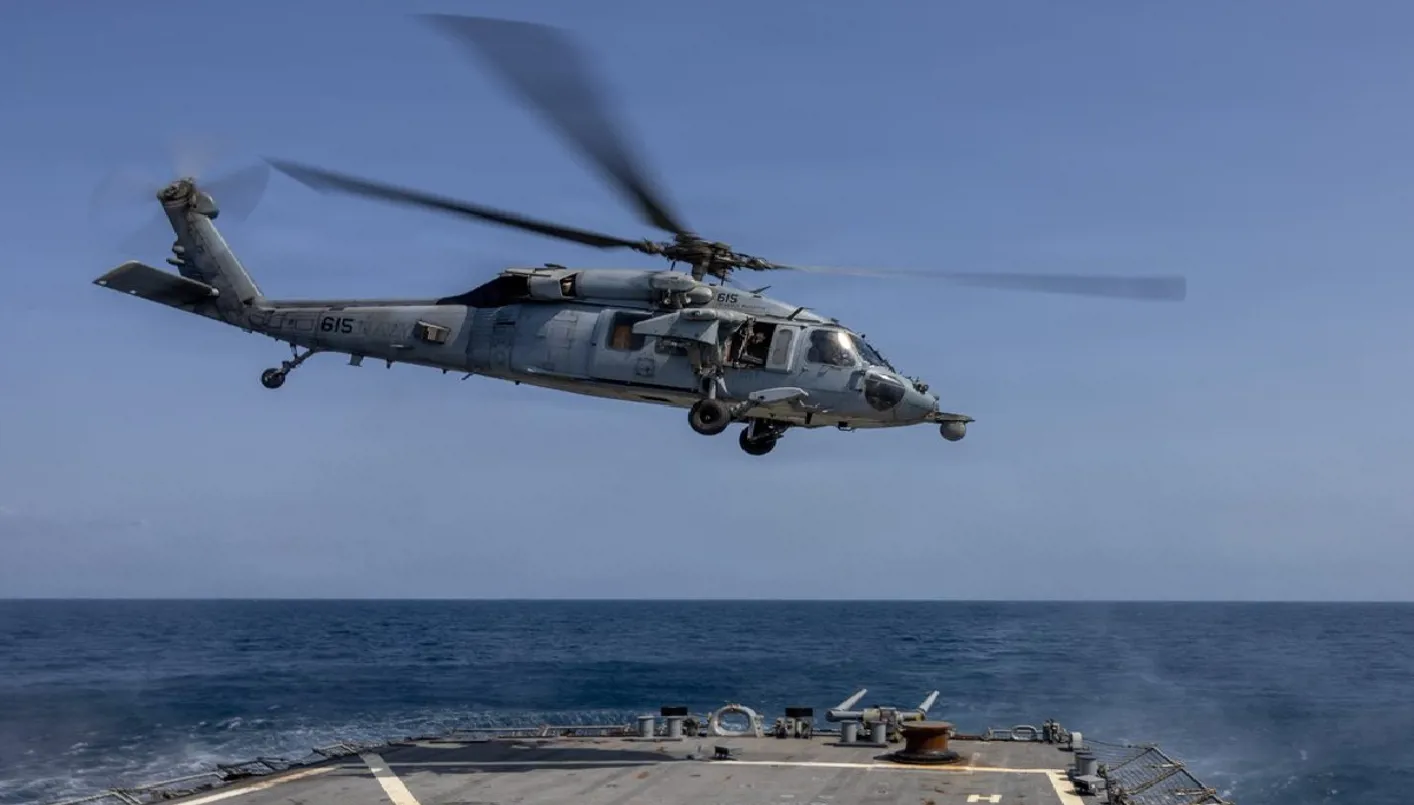
The US has imposed a naval blockade on Iranian ports, which has been met with warnings from Iran's military leaders. The blockade is a new front in the ongoing conflict between the US and Iran, and it is likely to escalate tensions in the region.
Iran's military leaders have warned that American vessels and forces will face serious risks and casualties if the blockade continues. This is a clear indication that Iran is willing to take action to defend its interests, and that the US should be prepared for a potential military response.
The Israeli-Palestinian Conflict: A New Era of Violence?
The ongoing Israeli assault on Gaza has been condemned by several countries, including Qatar, Egypt, and Turkey. The Arab League secretary general has also strongly condemned the attacks, accusing Israel of attempting to sabotage the ceasefire agreement.
The conflict in Gaza is a complex and deeply entrenched issue, with both sides having legitimate grievances. However, the ongoing violence and the failure to reach a lasting ceasefire agreement are a cause for concern. The international community must work towards a peaceful resolution to this conflict, and ensure that both sides are held accountable for their actions.
The Road Ahead: A New Era of Diplomacy?
The developments in Iran and Gaza have significant implications for regional stability and the ongoing conflicts in the Middle East. The need for diplomatic efforts to prevent military escalations and promote a peaceful resolution to the Israeli-Palestinian conflict is more pressing than ever.
The international community must work together to promote a new era of diplomacy in the region, one that prioritizes dialogue and cooperation over violence and confrontation. This will require a sustained effort from all parties involved, as well as a commitment to finding a lasting solution to the conflicts in the region.
Key points
- Iran's military had prepared to strike Ukraine before the plan was scrapped.
- The US has imposed a naval blockade on Iranian ports.
- Iran's military leaders have warned that American vessels and forces will face serious risks and casualties if the blockade continues.
- The ongoing Israeli assault on Gaza has been condemned by several countries, including Qatar, Egypt, and Turkey.
- The Arab League secretary general has strongly condemned the attacks, accusing Israel of attempting to sabotage the ceasefire agreement.
If the US and Iran can find a way to resolve their differences and reach a lasting agreement, it could lead to a significant reduction in tensions in the region. Additionally, if the international community can work together to promote a peaceful resolution to the Israeli-Palestinian conflict, it could lead to a new era of diplomacy and cooperation in the region.
If the US and Iran continue to escalate their conflict, it could lead to a wider war in the region, with significant consequences for regional stability and global security. Additionally, if the Israeli-Palestinian conflict continues to spiral out of control, it could lead to a humanitarian crisis and further destabilization of the region.