Trump says new Iran talks will start Monday after calling off attacks
President Donald Trump announced that the US and Iran will hold new talks on Monday after he called off intense new strikes to allow for a deal on the Strait of Hormuz and Tehran's nuclear program.
Intelligence analysis by Llama
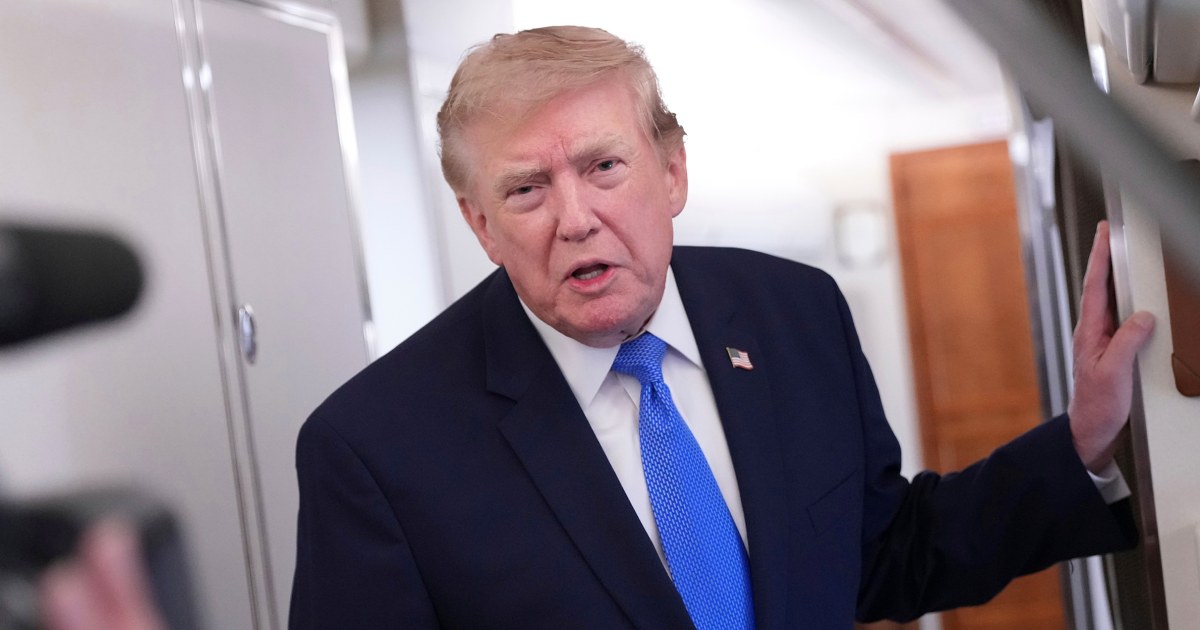
The US and Iran will hold new talks on Monday after President Trump called off intense new strikes to allow for a deal on the Strait of Hormuz and Tehran's nuclear program. The conflict has centered on the Strait of Hormuz, where Iran has attacked shipping and asserted its authority by insisting vessels must use its pre-approved routes through the crucial waterway.
Imagine you're playing a game of chess with someone, and you both keep making moves that try to outmaneuver each other. That's kind of like what's happening between the US and Iran right now. They're both trying to outdo each other, but it's getting more and more complicated. The US wants to make sure Iran doesn't get to charge a toll for ships to pass through a certain waterway, but Iran is saying no way. It's a big deal because it affects trade and security all around the world.
Analysis
A Fragile Ceasefire Between the US and Iran
The conflict between the US and Iran has been ongoing for six months, with both sides engaging in tit-for-tat strikes. Despite repeated predictions from President Trump that the war would resolve itself 'shortly,' the conflict has shown no signs of abating. The latest twist came when Trump announced that he had called off intense new strikes to allow for a deal on the Strait of Hormuz and Tehran's nuclear program.
The conflict has centered on the Strait of Hormuz, where Iran has attacked shipping and asserted its authority by insisting vessels must use its pre-approved routes through the crucial waterway. The US and world powers have sought to break Tehran's hold, insisting Iran shouldn't be able to charge a toll for passage. Iran and Oman, which also borders the strait, have been holding talks to try and resolve the trade route's future.
The US and Iran will hold new talks on Monday, with President Trump saying that the US is 'holding' what would have been a 'massive attack.' However, Trump also said that Iran does not have a deadline to come to an agreement, and that the US is 'ready to go anytime we want.'
The conflict has had significant implications for global trade and security, with new American casualties and rising energy prices intensifying the domestic pressure on Trump. The State Department has warned of flight disruptions and security risks, and Iranian-made Zolfaghar missiles are on display in Tehran.
The outcome of these talks could have far-reaching consequences, and it remains to be seen whether the US and Iran can come to a lasting agreement. However, one thing is clear: the conflict between the US and Iran is far from over.
Key points
- The US and Iran will hold new talks on Monday after President Trump called off intense new strikes to allow for a deal on the Strait of Hormuz and Tehran's nuclear program.
- The conflict has centered on the Strait of Hormuz, where Iran has attacked shipping and asserted its authority by insisting vessels must use its pre-approved routes through the crucial waterway.
- The US and world powers have sought to break Tehran's hold, insisting Iran shouldn't be able to charge a toll for passage.
- Iran and Oman have been holding talks to try and resolve the trade route's future.
If the US and Iran can come to a lasting agreement, it could lead to a significant reduction in tensions and a decrease in the risk of conflict. This could also have positive implications for the global economy, as trade and shipping through the Strait of Hormuz would be able to resume without interruption.
If the talks between the US and Iran fail, it could lead to a further escalation of the conflict, with potentially disastrous consequences for global trade and security. The risk of new attacks and retaliation could also increase, leading to a destabilization of the region and a further increase in tensions.