Trump says no toll on Strait of Hormuz unless US imposes one
US President Donald Trump says no toll will be charged for passage through the Strait of Hormuz during or after the 60-day interim ceasefire with Iran, unless the US imposes one. Trump made the statement on social media platform Truth Social.
Intelligence analysis by Llama 3.3 70B
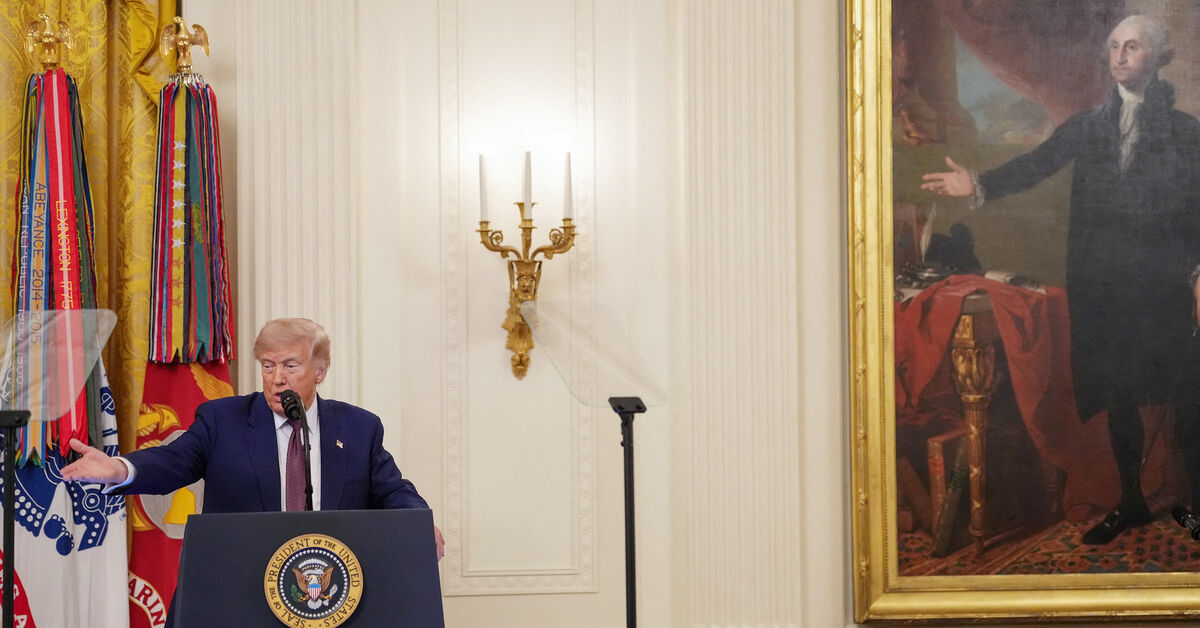
The US and Iran have agreed to a 60-day ceasefire, and Trump has stated that there will be no tolls in the Strait of Hormuz during this period, unless the US decides to impose one later.
Imagine a very important waterway where lots of oil ships pass through. The US president said that there won't be any fees for ships to pass through this waterway for a while, unless the US decides to charge them later. This is important because it affects the price of oil and how easily countries can get the oil they need.
Analysis
Trump's Statement on Strait of Hormuz Tolls
The statement by Trump on the Strait of Hormuz tolls is significant, as it indicates the US position on the matter. According to Trump, there will be no tolls during the 60-day ceasefire period, and any future tolls would need to be imposed by the US. This statement suggests that the US is taking a firm stance on the issue, while also leaving room for potential future negotiations or cooperation with Iran.
Implications for International Trade
The Strait of Hormuz is a vital waterway for international oil trade, with a significant portion of the world's oil passing through it. Any disruption or imposition of tolls could have far-reaching economic implications, including increased oil prices and potential shortages. The US and other countries have a strong interest in maintaining the free flow of oil through the strait, and Trump's statement suggests that the US is committed to ensuring this.
Future of US-Iran Relations
The 60-day ceasefire between the US and Iran is a significant development, and the potential for future cooperation or conflict is still uncertain. Trump's statement on the Strait of Hormuz tolls suggests that the US is open to negotiations and cooperation with Iran, but also willing to take a firm stance on issues of importance to the US. The international community will be closely watching the developments in US-Iran relations, as they have significant implications for regional and global stability.
Key points
- US President Donald Trump stated that there will be no tolls on the Strait of Hormuz during the 60-day ceasefire with Iran
- Any future tolls would need to be imposed by the US
- The Strait of Hormuz is a critical waterway for international oil trade
- The US and Iran have agreed to a 60-day ceasefire
- The potential for future cooperation or conflict between the US and Iran is still uncertain
If the US and Iran can maintain a ceasefire and cooperate on issues like the Strait of Hormuz, it could lead to increased stability in the region and potentially even improved relations between the two countries. This could have positive implications for international trade and the global economy.
If the ceasefire between the US and Iran breaks down, or if the US decides to impose tolls on the Strait of Hormuz, it could lead to increased tensions and conflict in the region. This could have negative implications for international trade, oil prices, and global stability.