Trump says US could stay in Iran and keep oil, like Venezuela deal
President Donald Trump suggested the US could remain in Iran to "keep the oil," drawing a parallel to a deal in Venezuela, and reiterated his expectation for the Iran war to end this year.
Intelligence analysis by Gemini 2.5 Flash
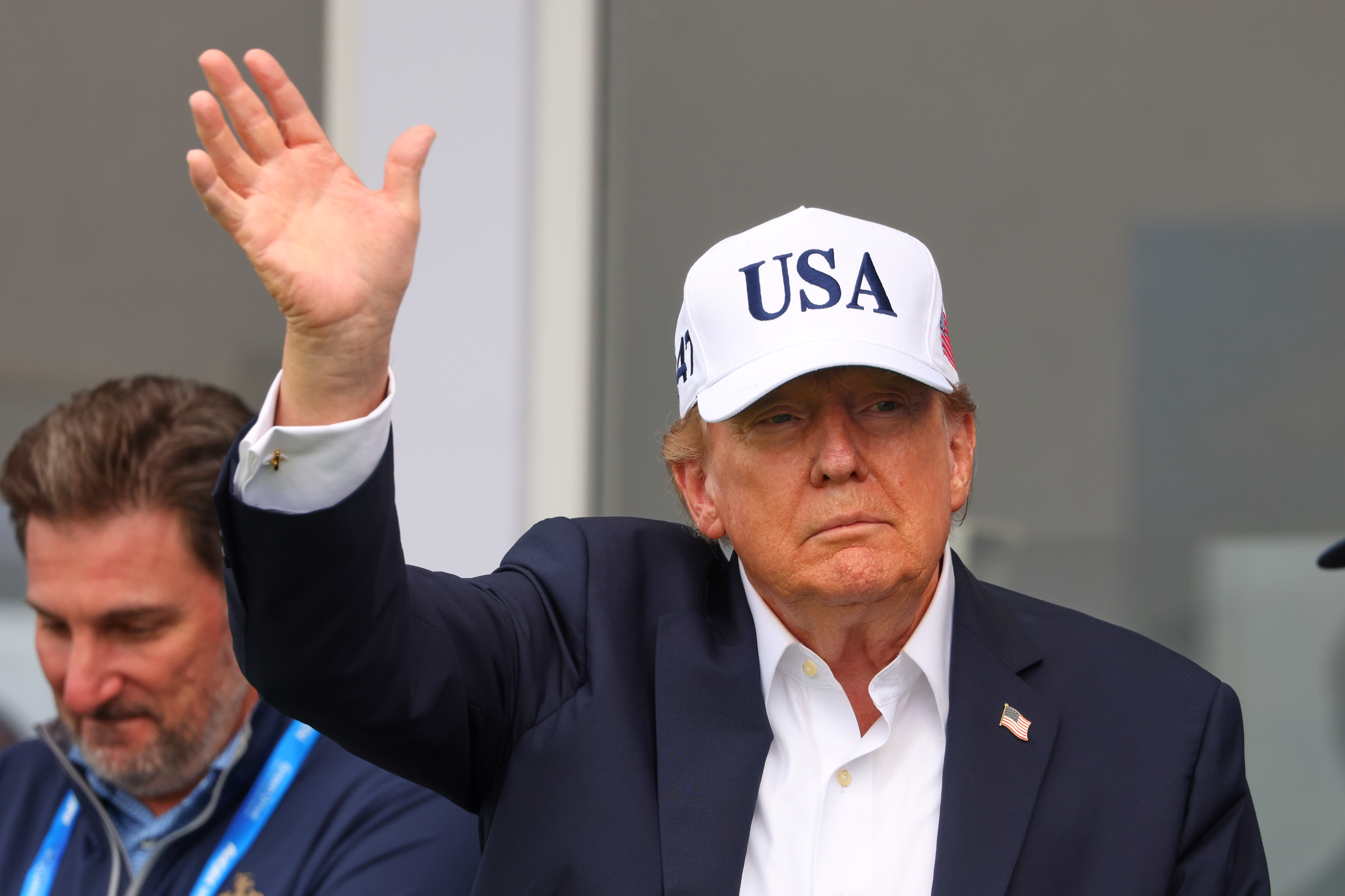
President Trump, speaking in Ireland, outlined a potential US strategy for Iran that includes staying to control oil resources, similar to a Venezuela deal. He also predicted the Iran war would conclude by year-end, possibly after midterm elections, and that gasoline prices would drop significantly once peace is achieved, amidst ongoing Middle East turmoil affecting oil markets.
Imagine a big playground where some kids are fighting over toys, and one grown-up says they might stay there to keep a special toy, like a valuable ball, just like they did in another playground. This grown-up also thinks the fight will end soon, maybe after a big school election, and that when it does, the price of gas for cars will go way down. But sometimes, fights in this playground make the price of gas go up because it's harder to get the special ball.
Analysis
Venezuela Deal
Trump's explicit comparison of potential US engagement in Iran to the Venezuela situation is a significant policy signal, suggesting a transactional and resource-driven approach to foreign policy. He openly stated the US could "stay and keep the oil," referencing the August deal in Venezuela and claiming that US revenue from that arrangement had "paid for the war many times." This perspective frames military or political engagement not just in terms of security or diplomacy, but also as an opportunity for direct economic benefit through resource control. The precedent set by the Venezuela deal, as interpreted by Trump, indicates a willingness to maintain a presence in resource-rich nations for sustained financial gain, potentially reshaping traditional understandings of intervention and occupation. Such a strategy could have profound implications for international law and sovereignty, particularly in regions with valuable natural resources.
Iran War
President Trump reiterated his expectation for the "Iran war" to conclude by the end of the year, possibly just after the November midterm elections in the United States. This timeline introduces a clear political dimension to his foreign policy calculations, suggesting that the resolution of significant international conflicts could be influenced by domestic electoral cycles. He firmly stated his commitment to securing only a "right deal," explicitly rejecting any agreement he deemed "no good," thereby positioning the US as a demanding negotiator. Furthermore, his assertion that Iran was "calling constantly" for peace talks, despite Tehran's past dismissals of such claims, highlights a narrative of US strength and Iranian eagerness for a resolution. This stance aims to project an image of control and leverage in ongoing diplomatic efforts, even as the specifics of any potential peace talks remain contentious.
Oil Markets
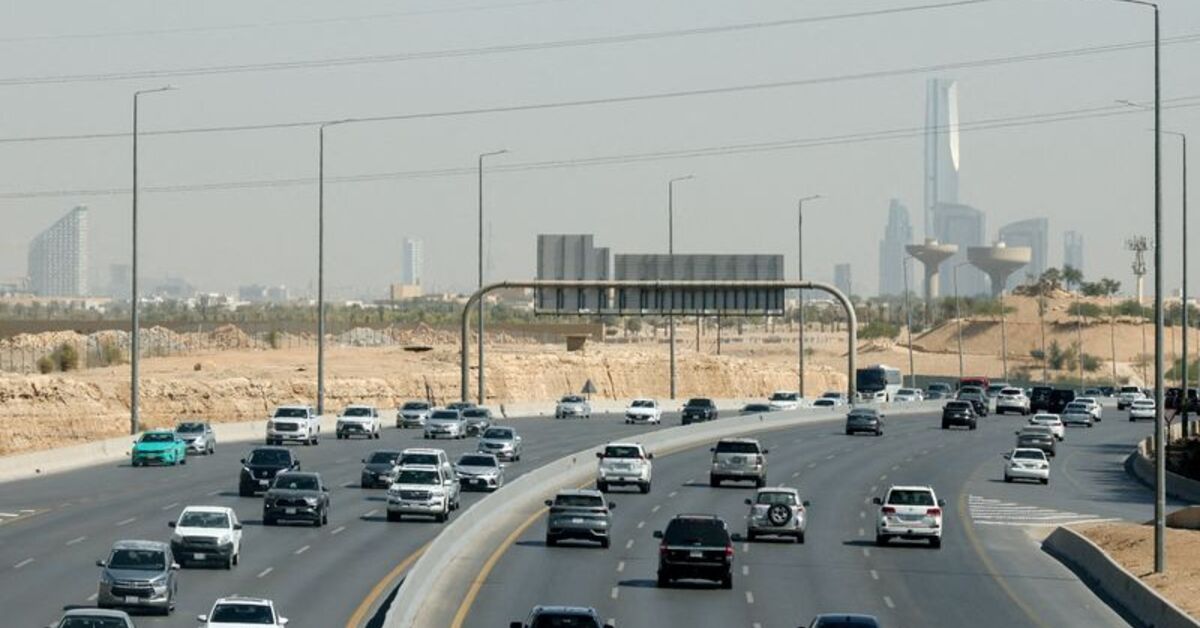
The article underscores the immediate and significant impact of Middle East turmoil on global oil markets, a critical factor in international economics. Trump's prediction that gasoline prices would "drop like a rock" once the Iran war ended directly links regional stability to consumer energy costs, illustrating the broad economic consequences of geopolitical events. The recent attack on a Saudi oil pipeline, which oil traders anticipated would cause prices to rise, serves as a tangible example of how localized conflicts and infrastructure vulnerabilities in the Middle East can trigger immediate market volatility. This inherent connection reinforces the strategic importance of the region for global energy security, as disruptions to supply or transit routes can quickly translate into higher prices and economic uncertainty worldwide. The prospect of the US potentially "keeping the oil" from Iran, as suggested by Trump, could further complicate these dynamics, introducing new variables into the global energy supply chain and pricing mechanisms.
Key points
- President Trump suggested the US could remain in Iran to control its oil resources, drawing a parallel to a deal in Venezuela.
- He reiterated his expectation for the 'Iran war' to conclude by the end of the year, possibly after the November midterm elections.
- Trump predicted that gasoline prices would 'drop like a rock' once the Iran war ends.
- He stated he would only accept a 'right deal' and claimed Iran was 'calling constantly' for peace talks, an assertion Tehran has previously denied.
- Turmoil in the Middle East, including an attack on a Saudi oil pipeline, has caused volatility in global oil markets.
If the Iran war were to end as President Trump anticipates, it could lead to a significant drop in gasoline prices, benefiting consumers globally. A successful "right deal" could also bring a measure of stability to the Middle East, potentially de-escalating regional tensions and fostering new diplomatic pathways.
The suggestion of the US staying in Iran to "keep the oil" could be perceived as an act of aggression, potentially escalating conflict and further destabilizing the Middle East. Such a move could also lead to increased international condemnation and prolonged geopolitical tensions, hindering any prospects for a peaceful resolution.
Market signals
- OIL Turmoil in the Middle East and an attack on a Saudi oil pipeline are expected to drive oil prices higher, as noted in the article.
AI-generated analysis of potential market relevance. Not financial advice.