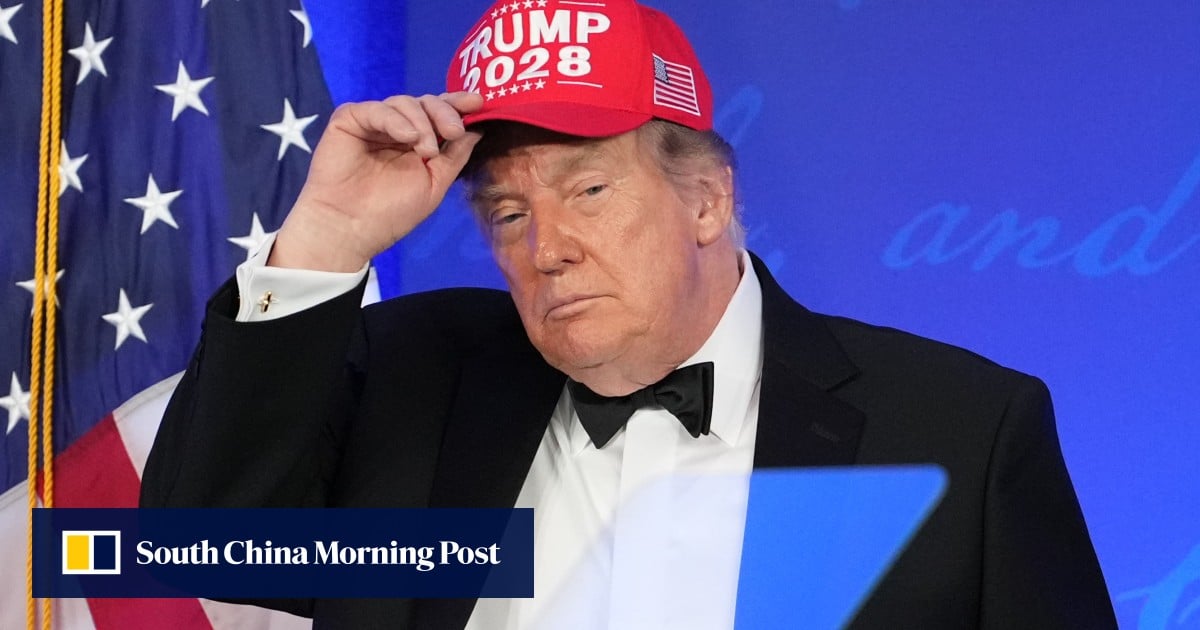
Trump says US ‘locked and loaded’, vows more Iran strikes while hinting at talks
US President Donald Trump declared the US "locked and loaded" after missile strikes on Iran and vowed "major military punishment," even as he indicated openness to diplomatic talks. The escalation followed a collapsed truce, with Iran retaliating against US bases and crud…
Intelligence analysis by Gemini 2.5 Flash
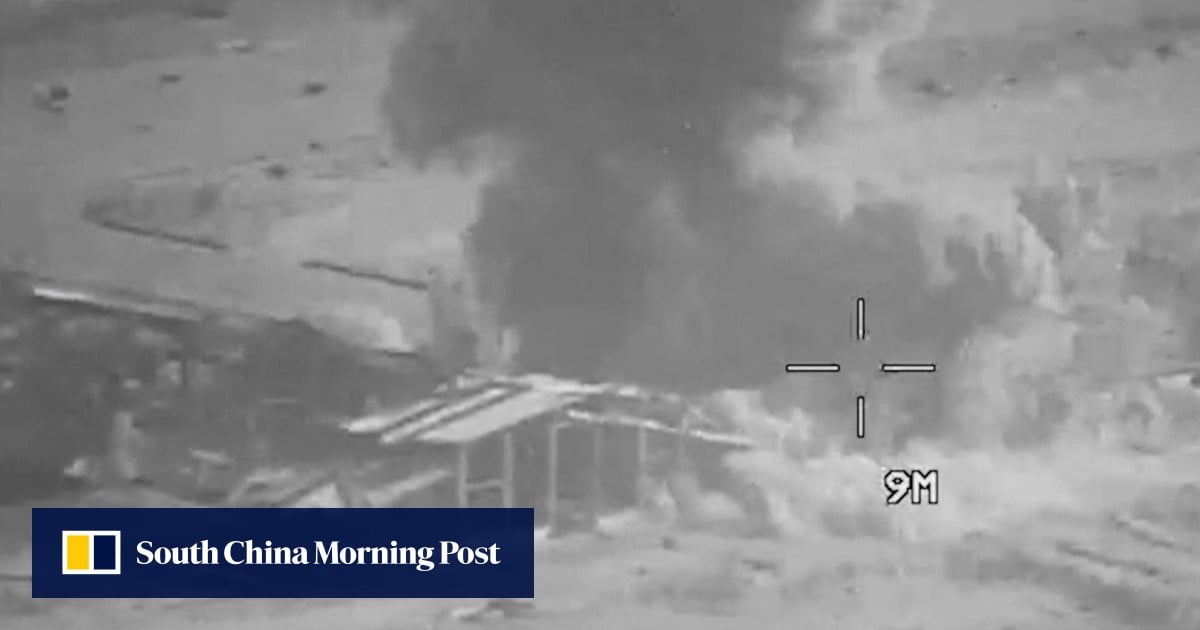
Amid escalating tensions, the US launched missile strikes against Iran and its Houthi allies, with President Trump threatening further military action while simultaneously suggesting a diplomatic path remains open. Iran responded with counter-attacks on US bases, leading to a surge in crude oil prices and near-halted shipping in the Strait of Hormuz, highlighting the volatile state of…
Imagine two big kids, America and Iran, are having a really big argument. America just threw some rocks at Iran's house and said it's ready to throw more, but also whispered that it's open to talking things out. Iran got mad and threw some rocks back at America's friends' houses nearby. Because of all this fighting, the road where all the oil trucks drive is almost blocked, making gas more expensive for everyone.
Analysis
Escalating Tensions and Diplomatic Openings
The recent US missile strikes across Iran, coupled with President Trump's declaration of being "locked and loaded" and threats of "major military punishment," signal a significant escalation in the already fraught relationship between Washington and Tehran. These actions follow the collapse of an interim truce, indicating a breakdown in previous attempts at de-escalation. The US military's disabling of an Iranian tanker further underscores the aggressive posture, enforcing a blockade on Iranian ports. This series of events paints a picture of a region teetering on the brink of wider conflict, with both sides demonstrating a willingness to use force.
Despite the overt military actions and rhetoric, President Trump simultaneously hinted at ongoing diplomatic efforts, stating, "We are talking to them," and suggesting Iran is "being by far the most serious that we’ve seen them." This dual approach — combining military pressure with an open door for dialogue — is characteristic of Trump's foreign policy, aiming to leverage force as a bargaining chip. The challenge lies in whether this strategy can genuinely lead to a breakthrough or if the military posturing will overshadow any potential for peaceful resolution, especially given Iran's retaliatory strikes on US bases in neighboring countries and threats against non-military US facilities.
Economic Repercussions and Global Impact
The immediate economic fallout of this renewed conflict is evident in the global energy markets. Crude oil prices spiked sharply following the strikes and counter-attacks, reflecting investor anxiety over supply disruptions. The Strait of Hormuz, a critical chokepoint for global oil shipments, saw shipping grind to a near-halt, amplifying fears of a broader energy crisis. This instability in the Middle East, a vital source of oil for many nations, has far-reaching implications for the global economy, potentially leading to higher energy costs and inflationary pressures worldwide.
For major energy consumers like China, these developments are particularly concerning. China relies heavily on Middle Eastern oil imports, making the stability of shipping lanes and predictable oil prices paramount to its economic growth and energy security. Any prolonged disruption or significant price hike could severely impact Chinese industries and consumers, potentially slowing down its economic recovery or exacerbating existing challenges. The geopolitical risks associated with the US-Iran standoff thus extend far beyond the immediate region, touching the economic interests of global powers.
The Path Forward: Confrontation or Negotiation?
The current situation presents a precarious balance between outright confrontation and the possibility of renewed negotiations. Trump's threats to expand targets to Iran's energy infrastructure, seize Kharg Island, and bomb a nuclear-linked site known as Pickaxe Mountain demonstrate the potential for a dramatic escalation. Such actions would undoubtedly provoke a stronger response from Iran and could plunge the region into a full-scale war, with devastating consequences for global stability and economic prosperity. The international community watches closely, hoping that the diplomatic overtures mentioned by Trump can gain traction.
The effectiveness of Trump's "maximum pressure" campaign, coupled with hints of talks, remains to be seen. While the US aims to compel Iran to the negotiating table on its terms, Iran's retaliatory actions suggest a strong resolve to resist perceived aggression. The coming days will be critical in determining whether the current cycle of strikes and counter-strikes gives way to genuine dialogue or if the region descends further into conflict. The stakes are incredibly high, not just for the US and Iran, but for the entire global community dependent on the stability of the Middle East and its energy resources.
Key points
- The US launched missile strikes across Iran and disabled an Iranian tanker, with President Trump vowing "major military punishment."
- Trump also indicated that the US is "talking to them" and Iran is "being serious" about diplomatic negotiations.
- Iran responded by firing at US bases in neighboring Arab countries and threatened non-military US facilities.
- Crude oil prices spiked, and shipping in the Strait of Hormuz was nearly halted due to the escalating conflict.
- Trump has threatened to widen targets to Iran's energy plants, bridges, seize Kharg Island, and bomb a nuclear-linked site.
Despite the military escalation, President Trump's acknowledgment of ongoing talks and Iran's "serious" engagement offers a glimmer of hope for a diplomatic resolution. If these discussions progress, they could de-escalate tensions, prevent a wider conflict, and stabilize global oil markets, benefiting international trade and economic growth.
The continued military strikes, Iran's retaliatory actions, and Trump's threats of expanded targets suggest a high risk of further escalation into a full-blown conflict. This could lead to severe disruptions in global oil supplies, a significant spike in energy prices, and widespread instability in the Middle East, with dire economic and humanitarian consequences.
Market signals
- OIL The article states crude oil spiked and Hormuz shipping ground to a near-halt due to the conflict, indicating immediate upward pressure on prices.
- XAU Geopolitical instability and conflict typically drive safe-haven demand for gold, though not explicitly stated as spiking in the article, it's a common market reaction to such events.
AI-generated analysis of potential market relevance. Not financial advice.