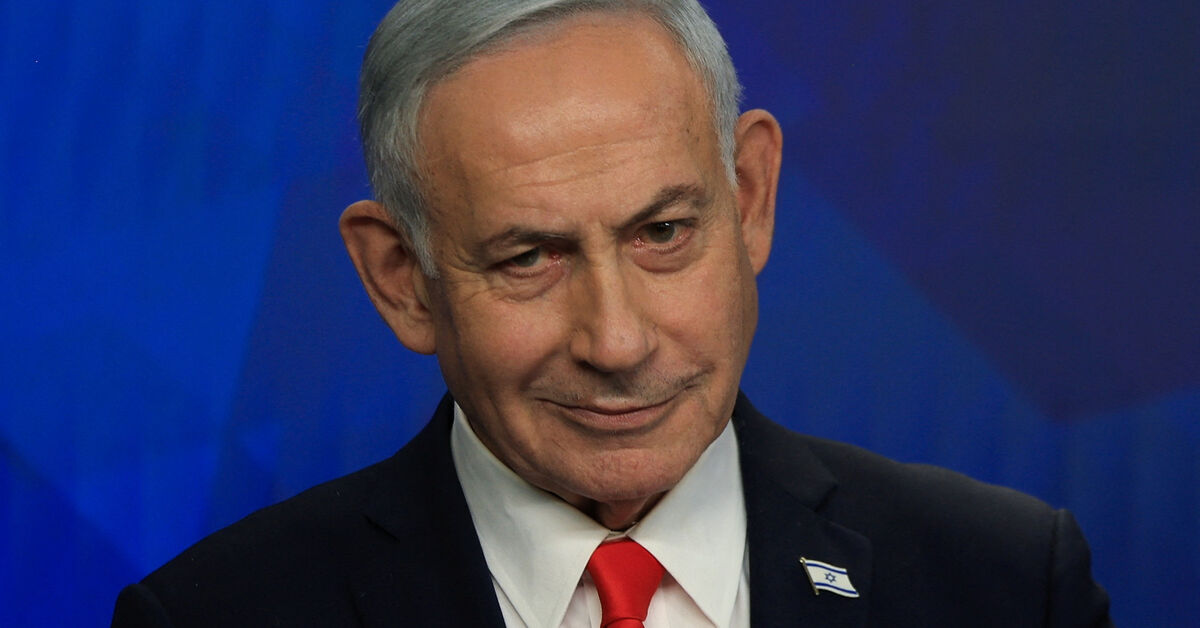
Trump Settles the Debate Over When the Agreement With Iran Will Be Signed
Trump said the U.S.-Iran agreement is set to be signed on Sunday, while Pakistan said an electronic signing ceremony is expected the same day.
Intelligence analysis by GPT-5.4 Mini

Trump said the deal with Iran is due to be signed on Sunday and claimed the Strait of Hormuz would then be open to all. Pakistan, acting as a mediator, separately said an electronic peace-agreement signing is expected within 24 hours.
It is like two neighbors saying they may finally sign a truce tomorrow, while a third friend helps set up the meeting. But one side still says it has a hammer ready if the truce falls apart.
Analysis
What Trump said
President Donald Trump said on Saturday that the United States is scheduled to sign an agreement with Iran on Sunday. In his posts on Truth Social, he said that once the agreement is signed, the Strait of Hormuz will be open to everyone. He also said he hoped the process would move quickly, easily, and smoothly, but warned that there is a final alternative if it does not.
Trump also framed the relationship with Iran as different from that of previous administrations. He said Iran no longer wants a nuclear weapon and will not get one, whether by purchase, development, or any other means. He added that no money will be exchanged, contrasting this with what he described as large payments made under Barack Obama.
Pakistan's role
The article says Pakistan is mediating between the United States and Iran. On Saturday, Pakistan disclosed plans for an electronic signing ceremony for a peace agreement expected to take place on Sunday. Prime Minister Shehbaz Sharif said the two sides are closer to a peace deal than ever before and expected an agreement within 24 hours.
Sharif later said on X that Pakistan is preparing for the electronic signing once the final wording is completed, and that technical-level talks would follow next week. He said the proposed peace agreement would form a strong basis for lasting peace.
The warning tone remains
Even as Trump described a deal in positive terms, he also returned to a threatening posture. He said that when conditions are calm, the U.S. could come in and remove what he described as nuclear material buried deep under granite mountains, using B-2 bombers and their pilots. The article presents this as part of his broader message: cooperation is possible, but force remains on the table if the process fails.
Key points
- Trump said the U.S. agreement with Iran is scheduled to be signed on Sunday.
- He said the Strait of Hormuz would be open to everyone once the agreement is signed.
- Pakistan said it is mediating and preparing for an electronic signing ceremony.
- Prime Minister Shehbaz Sharif said the two sides are closer to a peace deal than ever before.
- Trump paired his deal language with warnings that force remains an option.
If the signing happens as described, it could lower tensions between Washington and Tehran and create a calmer path for talks. The article also says the deal could support wider regional peace and reopen the Strait of Hormuz without immediate conflict.
The article also shows how fragile the process is, since Trump keeps warning that there is a final alternative if talks fail. If the deal breaks down, the same issues around Iran's nuclear program, regional security, and pressure over frozen funds could quickly return.