Trump signs scaled-back AI cybersecurity order
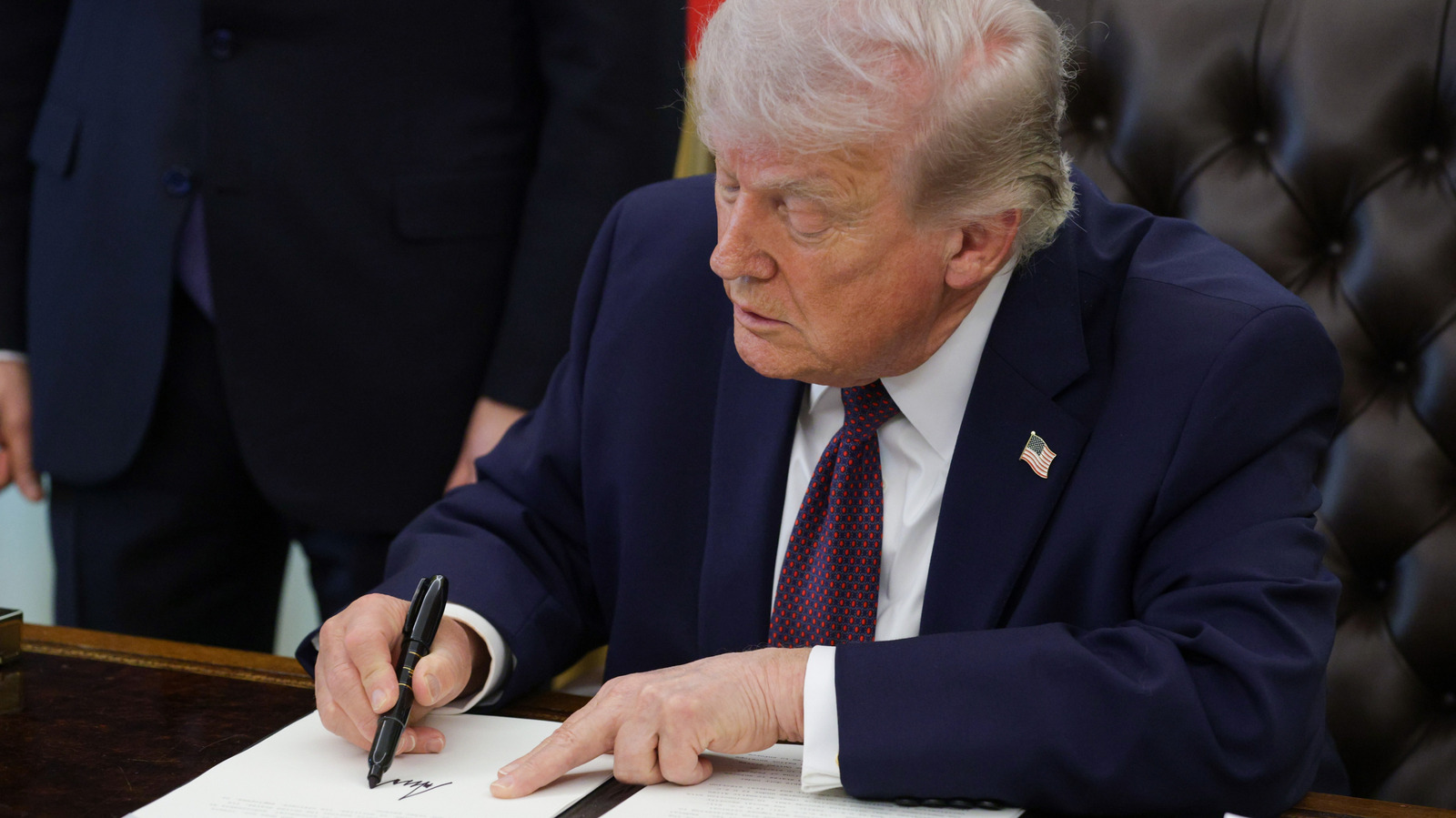
Trump signed a narrower order to let the federal government review powerful AI models for security risks before release.
Intelligence analysis by GPT-5.4 Mini
The White House has moved toward a limited AI security review process, after earlier resistance and pressure from industry insiders. The order focuses on sharing vulnerability findings with critical infrastructure operators and gives companies a 30-day voluntary review window.
The government is setting up a checkup system for big AI programs before they go out to everyone. It is like looking over a new car before it hits the road, so weak spots can be found before they cause trouble for places like banks, power companies, and hospitals.
Analysis
What changed
President Trump signed an executive order creating a framework for the federal government to evaluate AI models for security issues. The order gives the Office of the National Cyber Director the job of building a process for sharing software vulnerabilities found by AI systems with operators of critical infrastructure before those models are publicly released.
Why it was scaled back
The article says the signing was delayed after pressure from tech industry insiders, and Trump later said he did not like parts of the original proposal. According to the reporting cited by Engadget, the final version was narrowed in a private meeting and now asks some AI companies to submit their most powerful models for voluntary government review 30 days before public release.
An earlier draft reportedly allowed up to 90 days of review, while some industry officials wanted the period cut to as little as 14 days. The final order lands in the middle of that range, but it is still framed as voluntary rather than a hard requirement.
What critics and supporters see
Before the order was announced, the Center for Democracy and Technology told Engadget that testing models before they are widely available could help critical infrastructure providers find and patch vulnerabilities. At the same time, Samir Jain warned that the process is opaque and could give an administration too much discretion over when models ship.
The story also places this order in context: Trump’s earlier AI policy framework reportedly favored few guardrails, while his prior AI-related actions focused more on ideological concerns than on security. This order marks a shift toward treating AI as a real cyber risk that government should help manage.
Key points
- Trump signed a new executive order aimed at evaluating AI models for security risks before public release.
- The Office of the National Cyber Director will develop a process for sharing AI-discovered vulnerabilities with critical infrastructure operators.
- Some AI companies are being asked to voluntarily submit their most powerful models 30 days in advance.
- The final order was scaled back from earlier drafts that reportedly allowed longer review periods.
- Critics say the process is opaque and could give the government too much discretion.
If the process works as intended, security flaws could be found before powerful AI models are widely released. That could help hospitals, banks, and utilities patch weak spots sooner and reduce the chance of real-world harm.
The order is described as opaque, so it may be hard for the public to see how decisions are made. Because the review is voluntary and can still be shaped by the administration, critics worry it could become inconsistent or be used for reasons unrelated to security.