Trump Temporarily Waives Higher Beef Tariffs in Bid to Lower Prices
President Trump announced that the U.S. will waive higher tariffs on ground beef imports for 90 days to lower prices for consumers facing historically high beef costs.
Intelligence analysis by Llama
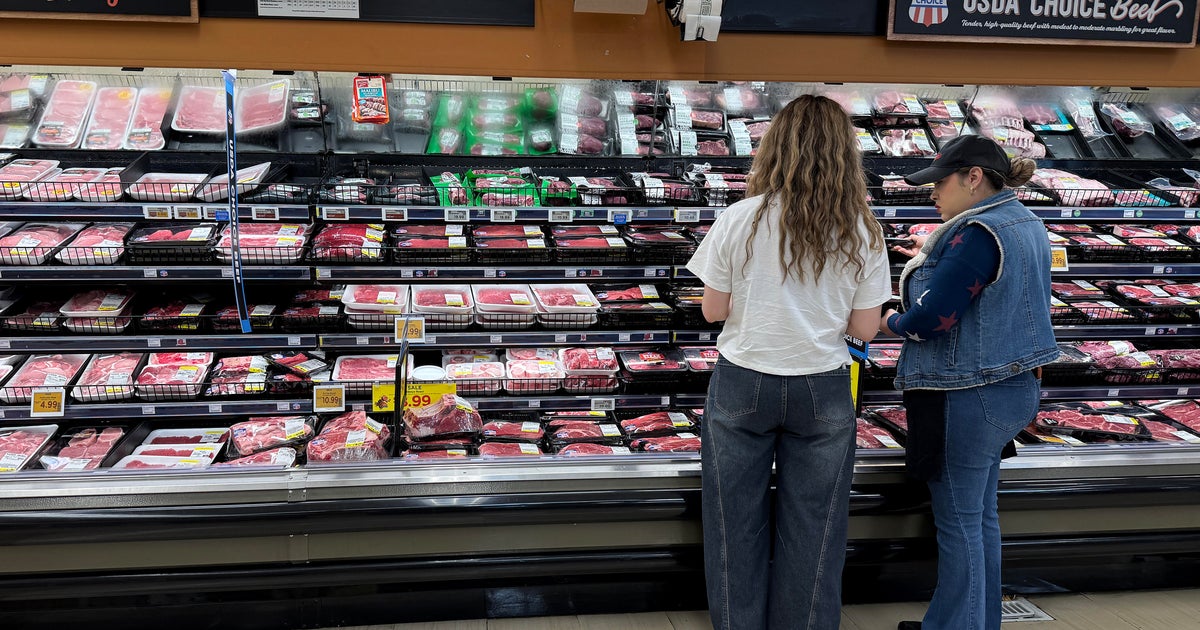
President Trump has temporarily waived higher tariffs on ground beef imports to lower prices for consumers. The move aims to reduce prices for Americans while giving space for the U.S. beef herd to grow again.
Imagine you're at a BBQ restaurant, and they're selling briskets for a really high price. This is because the cost of beef has gone up a lot recently. The president is trying to help by allowing more beef to be imported into the country, which should make it cheaper for people to buy. It's like a big deal to help make beef more affordable for everyone.
Analysis
Beef Prices in the U.S. Have Been Rising for Decades
Beef prices in the U.S. have been rising for decades, driven chiefly by shrinking cattle herd sizes and strong consumer demand. The cattle herd is under pressure due to worsening drought conditions, which are reducing the amount of pasture for cattle to graze. This is forcing ranchers to turn to more costly feed, and in some cases, to cull their herds, according to the USDA.
The Trump Administration's Efforts to Rein in Beef Prices
The Trump administration has previously sought to rein in beef prices. In February, Mr. Trump signed an executive order to boost imports from Argentina by 80,000 metric tons. However, some experts have expressed skepticism that such efforts will reduce consumer costs, noting that the additional imports account for a small share of the overall U.S. beef supply — too little to meaningfully impact prices.
The Impact of the Tariff Waiver
The tariff waiver will allow up to 300,000 metric tons of ground beef into the country for the next 90 days with 'no out-of-quota tariff.' This puts a pause on higher tariffs, which are triggered when trade volume surpasses a certain quota, according to the World Trade Organization. The president wrote on Truth Social that the U.S. will allow this beef to be sold at 25 percent below current market prices. This deal will reduce prices for Americans while giving space for our Great American Beef Herd to grow again.
Key points
- President Trump has temporarily waived higher tariffs on ground beef imports to lower prices for consumers.
- The tariff waiver will allow up to 300,000 metric tons of ground beef into the country for the next 90 days with 'no out-of-quota tariff.'
- The president wrote on Truth Social that the U.S. will allow this beef to be sold at 25 percent below current market prices.
- The Trump administration has previously sought to rein in beef prices through executive orders and imports from Argentina.
- Some experts have expressed skepticism that this effort will reduce consumer costs, noting that the additional imports account for a small share of the overall U.S. beef supply.
If this development plays out positively, it could lead to lower prices for consumers and give space for the U.S. beef herd to grow again. This could also lead to increased demand for American beef, which could help the cattle industry recover from the current drought conditions.
However, some experts have expressed skepticism that this effort will reduce consumer costs, noting that the additional imports account for a small share of the overall U.S. beef supply. Additionally, groups representing the cattle industry have opposed attempts to increase imports over concerns that they could undercut American cattle producers.