Trump threatens 50 per cent tariffs on Canadian cars, trucks amid trade row
US President Donald Trump has threatened to impose 50 per cent tariffs on Canadian cars and trucks, as well as automotive parts and steel, starting January 1 next year, after trade talks with Canada collapsed over the weekend.
Intelligence analysis by Llama
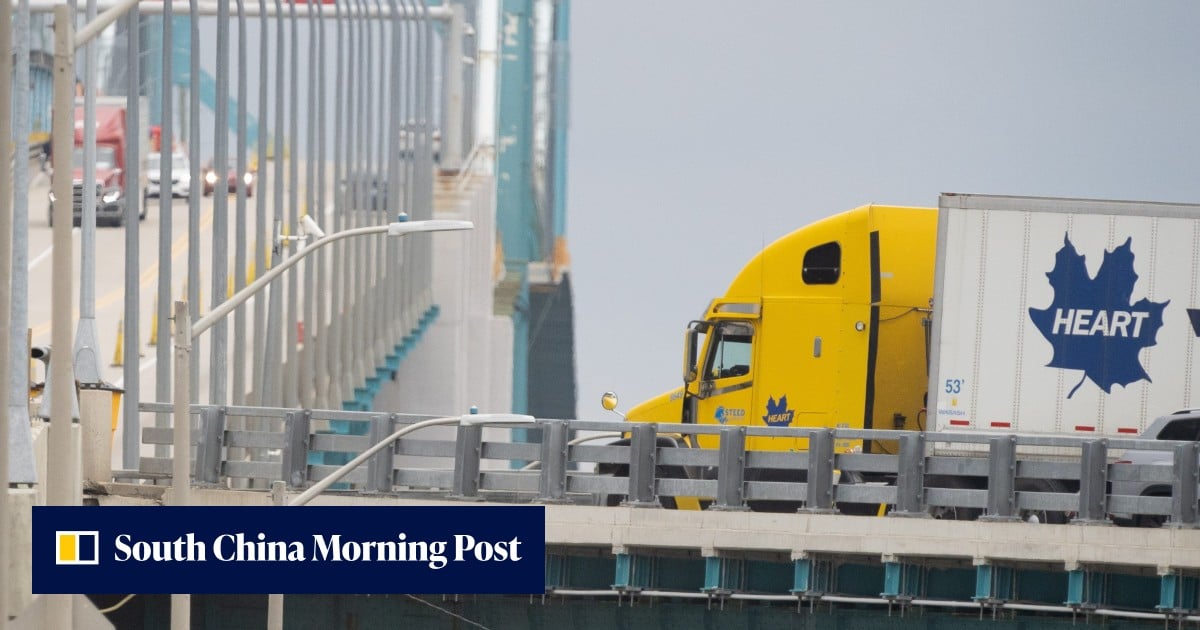
US President Donald Trump has threatened to impose 50 per cent tariffs on Canadian cars and trucks, as well as automotive parts and steel, starting January 1 next year, after trade talks with Canada collapsed over the weekend.
Imagine you're buying a car from Canada, but the US government says it's going to charge a big tax on that car. That's what's happening here. The US government is threatening to charge a 50 per cent tax on cars and trucks from Canada, which could make them more expensive and harder to buy.
Analysis
Background on the Trade Dispute
The trade dispute between the US and Canada has been ongoing for several months, with both countries imposing tariffs on each other's goods. The latest development comes after trade talks between the two countries collapsed over the weekend, with each side blaming the other for the failure to reach a deal.
The Threatened Tariffs
US President Donald Trump has threatened to impose 50 per cent tariffs on Canadian cars and trucks, as well as automotive parts and steel, starting January 1 next year. This would be a significant increase from the current tariffs of 10 per cent on cars and 25 per cent on trucks. The tariffs would also apply to automotive parts and steel, which are critical components of the automotive industry.
Implications for the Canadian Economy
The threatened tariffs could have significant implications for the Canadian economy, particularly for the automotive industry. Canada is a major producer of cars and trucks, and the tariffs could lead to a decline in exports and a loss of jobs. The Canadian government has already announced plans to impose tariffs on some US goods in retaliation for the 50 per cent levies ordered by Trump on other Canadian products.
Escalating Tensions
The threatened tariffs could also escalate tensions between the two countries, particularly if Canada decides to impose tariffs on US goods in retaliation. This could lead to a trade war between the two countries, with significant implications for the global economy.
Key points
- US President Donald Trump has threatened to impose 50 per cent tariffs on Canadian cars and trucks, as well as automotive parts and steel, starting January 1 next year.
- The tariffs would be a significant increase from the current tariffs of 10 per cent on cars and 25 per cent on trucks.
- The Canadian government has already announced plans to impose tariffs on some US goods in retaliation for the 50 per cent levies ordered by Trump on other Canadian products.
- The threatened tariffs could have significant implications for the Canadian economy and the automotive industry.
- The trade war between the US and Canada could have significant implications for the global economy, including higher prices and reduced economic growth.
If the trade talks between the US and Canada can be resolved, it's possible that the tariffs could be avoided, and the automotive industry could continue to thrive. Additionally, the Canadian government's plans to impose tariffs on some US goods in retaliation could help to level the playing field and protect Canadian industries.
If the tariffs are imposed, it could lead to a decline in exports and a loss of jobs in the automotive industry. Additionally, the trade war between the US and Canada could have significant implications for the global economy, including higher prices and reduced economic growth.
