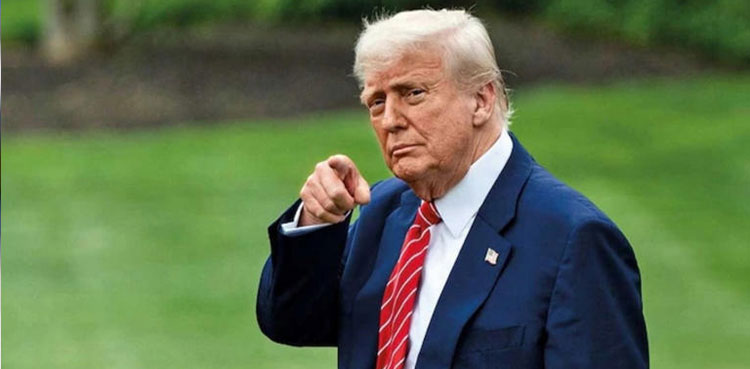
Trump threatens heavy strikes on Iran after base attacks
Trump warned the U.S. would strike Iran again after missile and drone attacks on American bases. The escalation has cast fresh doubt on ceasefire prospects and diplomatic talks.
Intelligence analysis by GPT-5.4 Mini
The report says tensions between the U.S. and Iran surged after overnight exchanges of fire near the Strait of Hormuz and attacks on U.S. bases in the Gulf. Trump threatened harsher strikes, while Iran said it would rethink diplomacy, even as Qatar continued mediation efforts.
Two countries are throwing threats and missiles at each other near a very important sea route, like two kids fighting beside the only bridge into town. Even while they argue, a few adults are still trying to stop the fight before it spreads.
Analysis
What happened
Reuters reports that President Donald Trump said the United States would hit Iran again “very hard” after one of the most serious overnight exchanges since an April ceasefire. The latest clash followed Iranian missile and drone attacks on U.S. bases in Jordan, Kuwait, and Bahrain, which Iran described as retaliation for U.S. strikes on Iranian targets near the Strait of Hormuz.
U.S. and Iranian claims
The U.S. military said it struck Iranian air defenses, ground control stations, and radar sites in what it called a proportional response to the downing of a U.S. Apache helicopter. A U.S. official said most Iranian missiles and drones were intercepted or failed to reach their targets, and that there was no significant damage or harm to U.S. personnel.
Iran, meanwhile, said it would reassess diplomatic engagement with Washington. Its foreign ministry said any diplomatic process needs a stable environment, while President Masoud Pezeshkian said threats to infrastructure showed desperation, not strength. Trump did not rule out further strikes on Iranian power plants or bridges, and Defense Secretary Pete Hegseth warned Iran would be unwise to keep challenging the U.S.
Regional spillover
The fighting was not limited to the U.S. and Iran. Jordan, Kuwait, and Bahrain activated air defenses, while Jordan said it intercepted five missiles aimed at the al-Azraq base. Iran's IRGC said it had attacked U.S. bases in Bahrain, Kuwait, and Jordan, including targets at al-Azraq. Reuters says it could not independently verify battlefield claims.
Diplomatic track still open
Despite the hardline language, Qatar sent a delegation to Tehran to discuss the latest developments. The article also says the broader talks remain far apart, with indirect mediation involving Pakistan and Qatar. The dispute has been tied to oil routes through Hormuz, sanctions relief, frozen assets, and Iran's nuclear program.
Key points
- Trump said the U.S. would attack Iran again very hard after the latest exchange of fire.
- Iran launched missile and drone attacks on U.S. bases in Jordan, Kuwait, and Bahrain.
- The U.S. said it struck Iranian air defenses and other military sites in response.
- Iran said it would reassess diplomatic engagement with Washington after repeated ceasefire violations.
- Qatar sent a delegation to Tehran, and the article says Pakistan and Qatar have mediated indirect talks.
If the Qatar-led talks keep moving, the U.S. and Iran could still avoid a wider war. A limited deal would reduce pressure on shipping through the Strait of Hormuz and calm the oil market.
If both sides keep answering strikes with more strikes, the conflict could expand beyond bases and air defenses. That would raise the risk of shipping disruption, higher oil prices, and a further collapse in diplomacy.