Trump threatens Taiwan’s representative office, sparking debate over island’s US policy
Former US President Donald Trump has threatened to sue Taiwan's de facto embassy, Tecro, as part of a broader attack on a progressive American think tank, prompting a debate in Taiwan about its US policy.
Intelligence analysis by Gemini 2.5 Flash
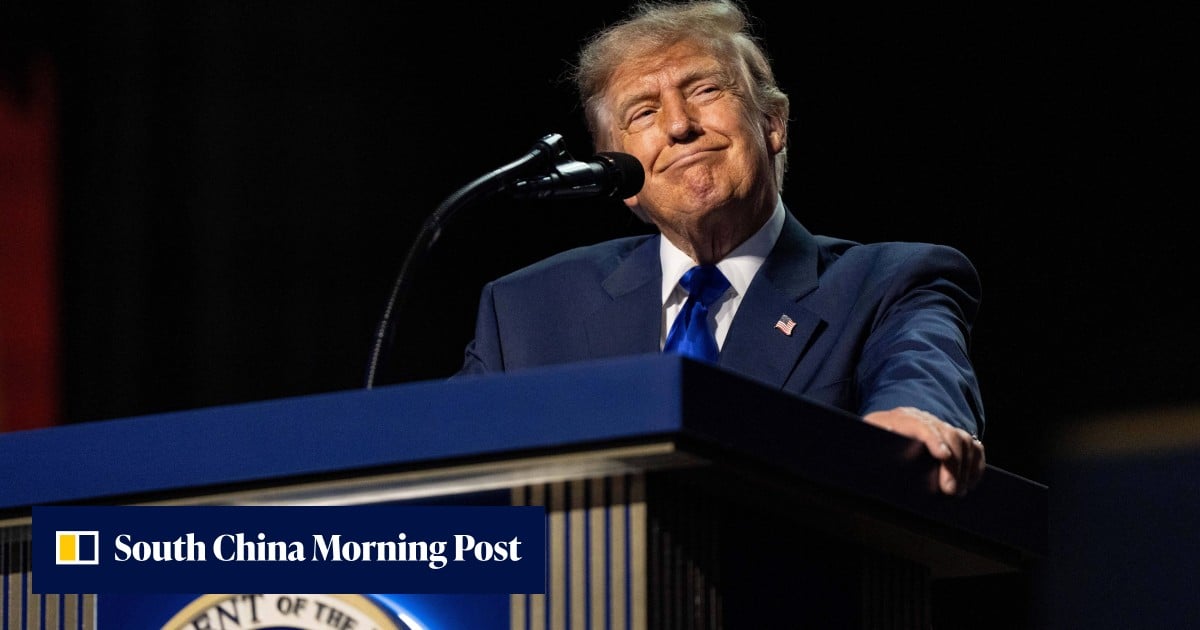
Donald Trump's recent social media post targeted the Taipei Economic and Cultural Representative Office (Tecro) for its alleged financial support of the Centre for American Progress, a left-leaning think tank he plans to sue. This move has ignited discussions in Taiwan regarding the potential liabilities of its US lobbying efforts, especially with an anticipated summit between Chinese…
Imagine Taiwan is trying to make friends in America by helping out some clubs that talk about important ideas. But then, a very famous former leader in America gets really mad at one of these clubs and says he might sue them, and he also mentions Taiwan's office as one of the helpers. Now, Taiwan is wondering if helping these clubs is actually a good idea, especially because this former leader might meet with China's leader soon, and they don't want to cause any trouble.
Analysis
The recent threat by former US President Donald Trump against the Taipei Economic and Cultural Representative Office (Tecro) has sent ripples through Taiwan's political landscape, forcing a re-evaluation of its long-standing approach to US relations. Trump's inclusion of Tecro in a list of entities he might sue, alongside other foreign embassies and foundations, underscores the vulnerability of Taiwan's unofficial diplomatic presence in Washington. This development is particularly concerning given the island's reliance on US support for its security and international recognition, making any perceived threat to its US ties a significant geopolitical event. The incident has prompted a crucial internal debate within Taiwan about the efficacy and potential pitfalls of its current lobbying and public relations strategies in the United States. Critics suggest that funding US think tanks, while intended to foster goodwill and understanding, might now be seen as a political liability, especially if it aligns Taiwan with partisan divides in American politics. This situation demands a careful recalibration of Taiwan's diplomatic toolkit to navigate the complexities of US domestic politics while safeguarding its vital interests.
Taipei Economic and Cultural Representative Office (Tecro)
Tecro, functioning as Taiwan's de facto embassy in the United States, finds itself directly in the crosshairs of a high-profile legal threat from Donald Trump. This unprecedented targeting of a diplomatic mission, albeit an unofficial one, by a former US president, signals a potential shift in the dynamics of US-Taiwan relations. The office's inclusion in Trump's lawsuit threat, specifically for its alleged financial contributions to the Centre for American Progress, highlights the intricate and often opaque nature of international lobbying. For Taiwan, Tecro is its primary conduit for engaging with the US government and public, making any challenge to its operations or reputation a direct blow to the island's foreign policy objectives. The incident forces Taiwan to scrutinize how its financial support for American institutions is perceived and whether such engagements inadvertently expose it to political risks, particularly from figures like Trump who are known for their unconventional diplomatic approaches. The implications extend beyond the immediate legal threat, potentially influencing how other nations perceive and interact with Taiwan's representative offices globally.
Centre for American Progress
The Centre for American Progress, a prominent left-leaning Washington think tank, is at the heart of the controversy, having been labeled a "radical left scam" by Donald Trump. Trump's threat to seek US$5 billion in damages from the think tank, stemming from a report disputing his claims about National Guard deployments, has inadvertently drawn its foreign donors, including Tecro, into the legal crossfire. This situation illustrates the broader challenges faced by foreign entities, like Taiwan, when engaging with politically charged organizations in the US. While think tanks often serve as crucial platforms for policy discussion and influence, their partisan affiliations can expose their foreign benefactors to domestic political battles. For Taiwan, its support for the Centre for American Progress, likely intended to cultivate bipartisan support or at least understanding, has instead become a point of contention. This incident may lead to a re-evaluation of how Taiwan selects and funds US-based organizations, emphasizing the need for greater scrutiny of potential political blowback and the importance of maintaining a perception of neutrality in a highly polarized political environment.
Xi-Trump summit
The timing of Trump's remarks, coming ahead of an expected summit between Chinese President Xi Jinping and Trump, adds another layer of complexity and urgency to the debate in Taiwan. The prospect of a high-stakes meeting between the leaders of the world's two largest economies, especially with Trump's unpredictable diplomatic style, naturally raises concerns in Taipei. Any perceived weakening of Taiwan's standing in Washington, or any indication that its US policy is becoming a liability, could embolden Beijing and complicate cross-strait relations. The debate in Taiwan is not just about the immediate legal threat but also about preparing for a potential future Trump presidency and its implications for the delicate balance of power in the Indo-Pacific. Taiwan's leaders must now consider how to safeguard their interests in an environment where US policy towards China and Taiwan could undergo significant shifts, potentially impacting the island's security and international space. The upcoming summit serves as a stark reminder of the need for Taiwan to adapt its diplomatic strategies to a rapidly evolving global political landscape.
Key points
- Donald Trump threatened to sue Taiwan's de facto embassy, Tecro, as part of a broader legal action against the Centre for American Progress.
- Tecro was named alongside other foreign entities as a donor to the left-leaning Washington think tank.
- The incident has sparked a debate in Taiwan about whether its funding of US think tanks has become a political liability.
- The controversy arises ahead of an expected summit between Chinese President Xi Jinping and Trump, adding to Taiwan's concerns.
- Taiwan's main opposition party, the Kuomintang, described Trump's remarks as an "unusual diplomatic warning."
The debate sparked in Taiwan could lead to a more robust and diversified strategy for engaging with the US, ensuring that Taipei's lobbying efforts are resilient to partisan shifts and better aligned with its long-term diplomatic goals. This re-evaluation might result in more effective and less politically exposed methods of fostering US support.
Trump's threat could damage Taiwan's unofficial diplomatic standing in the US, making it more challenging to cultivate support in Washington. It might also force Taiwan to scale back its engagement with US think tanks, potentially reducing its influence and leaving it more vulnerable to geopolitical pressures, especially ahead of critical US-China interactions.