Trump threatens to bomb a bridge or power plant for every ship Iran attacks in Strait of Hormuz
President Trump warned he would "bomb and destroy" an Iranian bridge or power plant for every new attack on a ship in the Strait of Hormuz, prompting angry retaliation threats from Iranian leaders.
Intelligence analysis by Llama
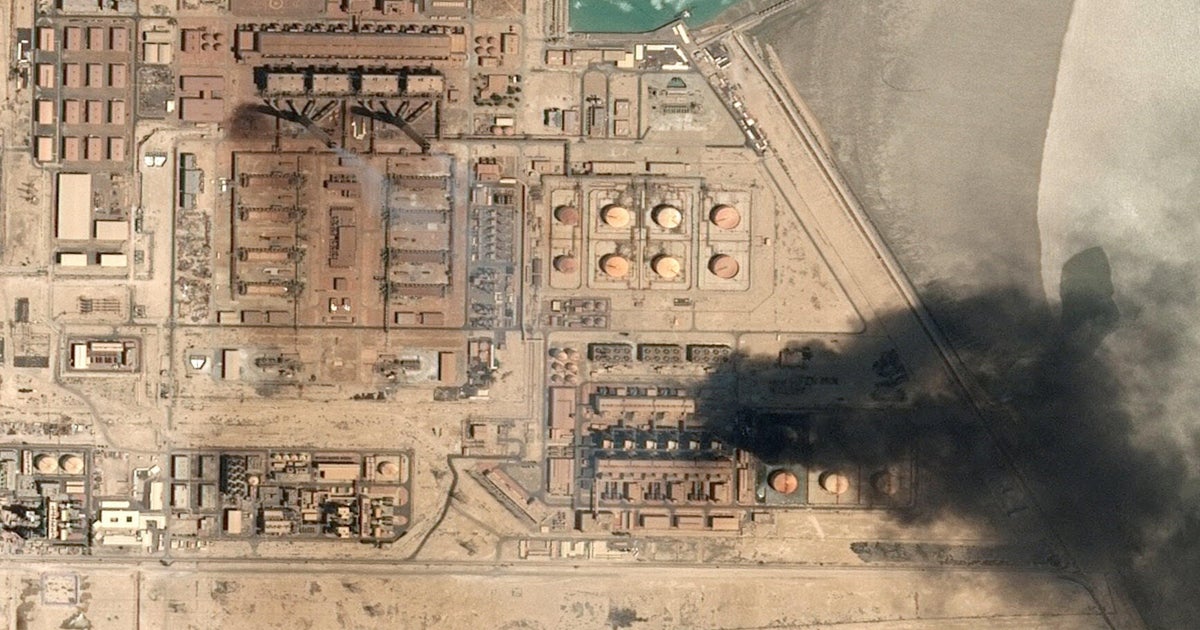
President Trump escalated his rhetoric against Iran, threatening to destroy Iranian infrastructure for every ship attacked in the Strait of Hormuz. Iranian Parliament speaker warned "no infrastructure will be safe" in the region, while oil prices climbed amid the ongoing blockade and Houthi threats to other shipping routes.
The president says if Iran keeps attacking ships in a narrow waterway where oil travels, the U.S. will bomb something in Iran for each ship hit. Iran says it will do the same thing back. Meanwhile, oil prices keep climbing because the waterway is dangerous, and countries nearby are losing lots of money from selling less oil.
Analysis
An Eye for an Eye in the Strait
President Trump's latest ultimatum — to "bomb and destroy" an Iranian bridge or power plant for every vessel Tehran targets in the Strait of Hormuz — represents one of the most explicit escalatory signals of the war. The threat, delivered after an 11th consecutive night of U.S. strikes on Iran, marks a shift from strategic-target rhetoric to infrastructure-specific retaliation. Iranian responses came swiftly. Parliament speaker Mohammad Bagher Ghalibaf declared that "if our security is not guaranteed, no infrastructure will be safe," explicitly broadening the scope of potential targets to include the entire Middle East. Foreign Minister Abbas Araghchi, a key ceasefire negotiator, invoked an "eye for an eye" doctrine and warned that any party supporting aggression against Iranian infrastructure would be considered a "legitimate target."
The Oil Choke Point Squeezes the Region
The practical reality of the blockade is already devastating regional economies. Iraq, an OPEC founding member that previously produced around 4 million barrels per day and exported roughly 3.5 million, has lost more than $40 billion in revenue since the war began in late February with U.S.-Israeli strikes. Oil Minister Bassem Mohammed Khudair said monthly state oil revenues have collapsed from "between $7 to $8 billion" to no more than $1.5 billion. Iraq has been forced to halt production at most of its oil fields and reroute exports through Turkey and Syria. The shipping situation remains contradictory: U.S. Central Command insists the strait "remains open," but a shipping insider told CBS that "nothing is going through." Houthi threats to the Bab el-Mandeb Strait — the Red Sea gateway — further compound the supply-route risk, fueling a sharp rise in oil prices over the past two weeks.
Washington Debates the War at Home
Domestically, the war is facing its sharpest public Republican critique yet. Sen. Rand Paul declared the war "has not been a success" and warned that the militarization of the Strait of Hormuz "is never happened before" and that "there's not an easy way to unmilitarize the strait." Paul invoked the War Powers Act and called for congressional authorization. Eighteen U.S. service members have been killed since the war began, and Trump attended a dignified transfer ceremony on Wednesday. The U.S. military, for its part, says it has intercepted nine commercial vessels trying to enter or leave Iranian ports since the blockade restarted on July 14, with President Trump describing the blockade as "like a steel wall." The combination of mounting casualties, rising oil prices, eroding allied economies, and now open intra-party dissent suggests the political cost of the war is beginning to compound alongside its military cost.
Key points
- President Trump threatened to bomb an Iranian bridge or power plant for every ship Iran attacks in the Strait of Hormuz
- Iran's Parliament speaker warned "no infrastructure will be safe" in the Middle East if Trump follows through
- Iraq has lost more than $40 billion in revenue since the war began, with monthly oil income collapsing from $7-8 billion to $1.5 billion
- Sen. Rand Paul became a prominent Republican voice calling the war "not a success" and invoking the War Powers Act
- 18 U.S. service members have been killed since the war began; the U.S. says it has intercepted 9 vessels since the blockade restarted on July 14
If the tit-for-tat rhetoric gives way to a negotiated ceasefire, oil prices could stabilize and regional economies like Iraq's could begin to recover. Iranian Foreign Minister Araghchi's role on the negotiating team suggests a diplomatic channel remains open, and the U.S. has demonstrated military leverage that could be converted into a face-saving settlement.
With both sides now threatening to target each other's infrastructure, the risk of miscalculation is high. An Iranian strike on a Gulf state facility or a U.S. strike on an Iranian power plant could draw in additional actors, including the Houthis at Bab el-Mandeb, and push oil prices into a sustained spike that deepens the global energy crisis already costing Iraq tens of billions.
Market signals
- OIL The article describes a sharp rise in oil prices over the last two weeks driven by Iran's attacks on shipping in the Strait of Hormuz and Houthi threats to the Bab el-Mandeb strait, disrupting a major share of global oil supply routes.
- XAU Escalation between the U.S. and Iran, combined with 18 U.S. service member deaths and threats to regional infrastructure, supports safe-haven demand for gold.
AI-generated analysis of potential market relevance. Not financial advice.