Trump threatens to bomb Iranian bridge or power plant after Hormuz attacks
US President Donald Trump threatened to destroy an Iranian bridge or power plant each time Tehran attacks a vessel in the Strait of Hormuz, escalating Washington’s response as the conflict spread across the region and placed another major shipping route at risk.
Intelligence analysis by Llama
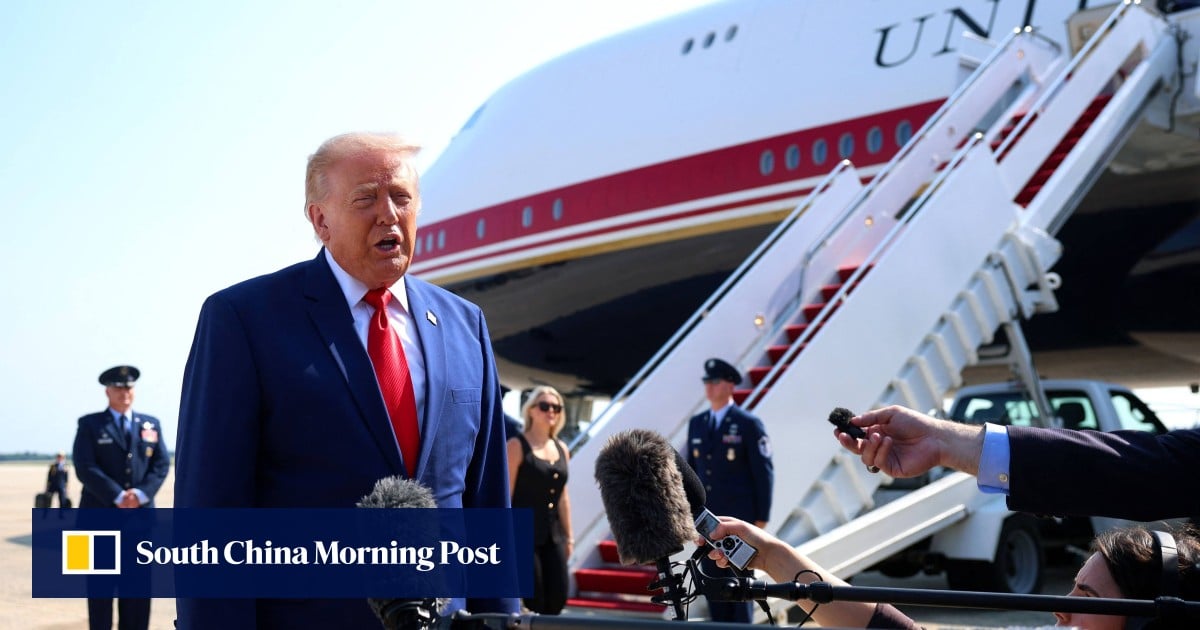
US President Donald Trump threatened to destroy an Iranian bridge or power plant each time Tehran attacks a vessel in the Strait of Hormuz, escalating Washington’s response as the conflict spread across the region and placed another major shipping route at risk.
Imagine a big highway where many ships go through to get to other countries. This highway is very important for oil and other goods to get to where they need to go. There's a big fight between the US and Iran, and they're both trying to control this highway. The US is saying that if Iran keeps attacking ships, they will hurt Iran's bridges or power plants. This is a very serious situation because it could affect many countries and the global economy.
Analysis
A New Escalation in the US-Iran Conflict
The recent attacks on vessels in the Strait of Hormuz have led to a significant escalation in the conflict between the US and Iran. US President Donald Trump has threatened to destroy an Iranian bridge or power plant each time Tehran attacks a vessel in the strait, a move that has been met with concern by many in the international community.
The US has been expanding its air strikes on Iranian targets, with the latest operations targeting Iranian military command centres, maritime capabilities, aircraft hangars, drone storage facilities, and logistics infrastructure. The US Central Command has stated that these operations are aimed at weakening Tehran’s ability to threaten commercial shipping in the strait.
The conflict has spread across the region, with Iran targeting Jordan and the Houthis threatening shipping near another vital trade route. The situation is becoming increasingly complex, with multiple parties involved and a high risk of miscalculation.
Implications for Global Shipping and Trade
The Strait of Hormuz is a critical chokepoint for oil exports, and any disruption to shipping in the area could have significant implications for the global economy. The conflict between the US and Iran has already led to increased tensions in the region, with many countries calling for restraint.
The Road Ahead
The situation in the Middle East is becoming increasingly volatile, with multiple parties involved and a high risk of miscalculation. The US and Iran must work to de-escalate the conflict and find a peaceful resolution to the crisis.
Key points
- US President Donald Trump threatened to destroy an Iranian bridge or power plant each time Tehran attacks a vessel in the Strait of Hormuz.
- The US has been expanding its air strikes on Iranian targets, with the latest operations targeting Iranian military command centres, maritime capabilities, aircraft hangars, drone storage facilities, and logistics infrastructure.
- The conflict has spread across the region, with Iran targeting Jordan and the Houthis threatening shipping near another vital trade route.
If the US and Iran can find a way to de-escalate the conflict and work towards a peaceful resolution, the situation in the Middle East could improve, and global shipping and trade could return to normal.
If the conflict between the US and Iran continues to escalate, the situation in the Middle East could become even more volatile, and the global economy could be severely impacted.