Trump uses wartime powers to dole out $700m to ‘clean, beautiful’ coal
Trump used the Defense Production Act to direct $700m toward coal plants, export terminals and new coal projects, arguing it will cut energy costs.
Intelligence analysis by GPT-5.4 Mini
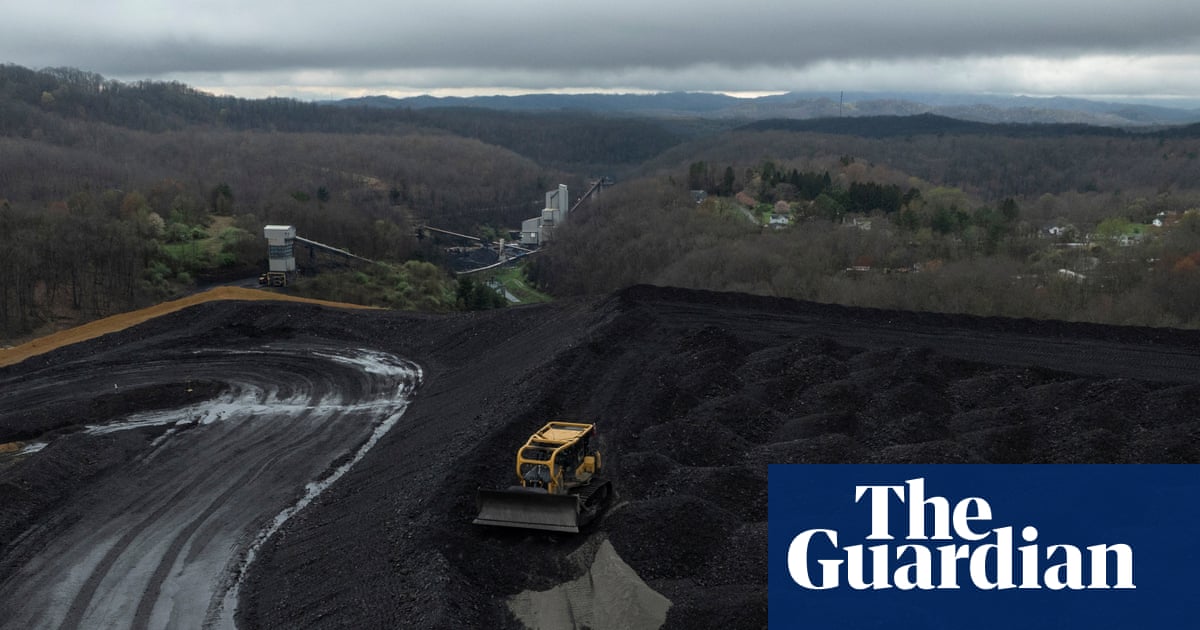
The Trump administration is using wartime-style authority to prop up coal, including grants for existing plants, a new export terminal and two new coal plants. The move fits a broader effort to revive coal even as critics say it will raise costs and pollution.
Trump is giving a big pile of money to old coal power plants, like paying to keep an old car running instead of buying a newer one. Supporters say it can help keep lights on when electricity demand jumps, but critics say it costs more and makes the air dirtier.
Analysis
What happened
Donald Trump announced $700m in coal support under the Defense Production Act, a law usually used to speed up output in moments of national need. According to the article, the money will help protect 14 coal plants and 42 coal mines, finance a new export terminal, restart an existing facility in Maryland, and support two new coal plants in Alaska and West Virginia.
The administration also said the money would keep plants running across 10 states that voted for Trump. The White House event featured governors and lawmakers from coal states, and Trump framed the move as a way to lower energy bills and the cost of living.
Why it is controversial
The Guardian says the administration has already sent hundreds of millions more to coal, ordered ratepayers to help keep aging plants open, and rolled back environmental rules on coal pollution. Environmental groups called the new support wasteful and argued it would make electricity more expensive and air dirtier.
The article also says coal is still the most carbon-dense fossil fuel and a major source of health harms. It notes research estimating 460,000 US deaths from coal-plant air pollution between 1999 and 2020.
The economic angle
Trump and coal industry allies argue coal can help stabilize supply during a period of surging electricity demand, especially from artificial intelligence. The National Mining Association says coal generation can shield consumers from volatile energy prices and supply problems. But the article says experts view coal plants as more expensive to build and run than renewable sources, and coal production has continued to fall for years.
Key points
- Trump used the Defense Production Act to direct $700m toward coal.
- The money is meant to support existing plants, mines, a new export terminal and two new coal plants.
- The administration says coal can help meet rising electricity demand and lower bills.
- Environmental groups say the move will raise costs and worsen air pollution.
- The article says coal remains a major climate and public health problem.
If the administration’s plan works as its supporters hope, the money could keep some coal plants open while electricity demand rises, especially from AI. The coal industry says that could help steady supply and reduce the impact of price swings for consumers.
The article says coal plants are more expensive to build and operate than renewable power, so the subsidies could leave ratepayers and taxpayers paying more. Critics also warn the policy would prolong pollution, worsen health harms and slow the shift to cleaner energy.