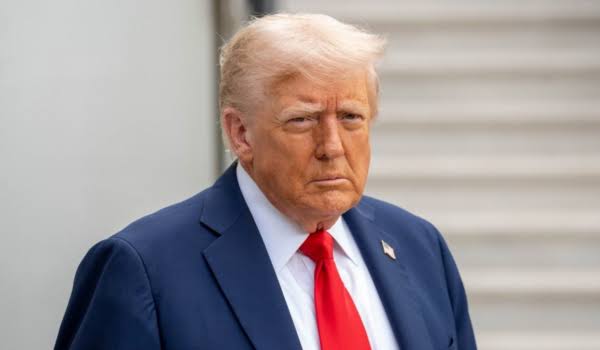
Trump vows to hit Iran’s bridges, power plants if it strikes ships in Strait of Hormuz
US President Donald Trump has threatened to bomb an Iranian bridge or power plant every time Iran attacks a ship in the Strait of Hormuz. Iran has warned that it will strike US-linked infrastructure and energy facilities across the region if Washington carries out Trump’s…
Intelligence analysis by Llama
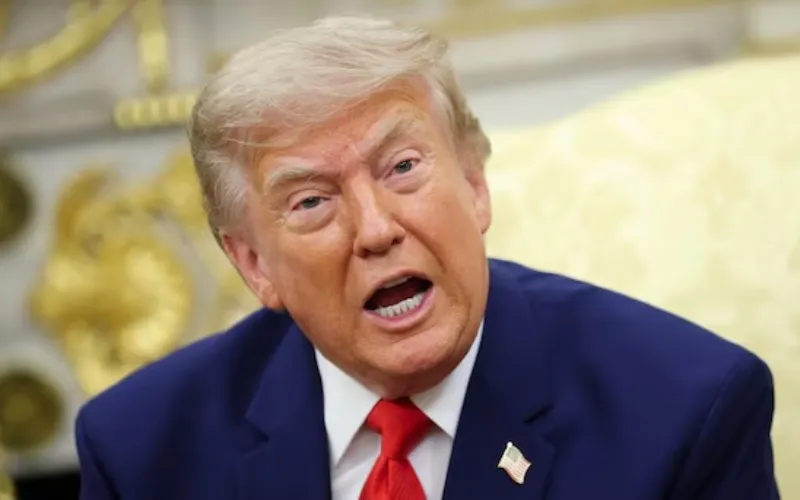
US President Donald Trump has threatened to bomb Iranian bridges and power plants if Iran attacks ships in the Strait of Hormuz. Iran has warned of retaliatory strikes on US-linked infrastructure and energy facilities.
Imagine you're playing a game of chess with your friend. If your friend makes a move that you don't like, you might threaten to take one of their pieces. That's kind of what's happening between the US and Iran right now. The US is saying that if Iran makes a move that it doesn't like, it will take one of Iran's 'pieces' - in this case, a bridge or power plant. Iran is saying that if the US makes that move, it will take one of the US's 'pieces' - in this case, some of its infrastructure or energy facilities.
Analysis
A Threat of Retaliation: Trump's Warning to Iran
The recent collapse of the ceasefire between the US and Iran has led to a significant escalation of tensions in the region. US President Donald Trump has issued a stark warning to Iran, stating that the US will bomb an Iranian bridge or power plant every time Iran attacks a ship in the Strait of Hormuz. This threat has been met with a warning from Iran that it will strike US-linked infrastructure and energy facilities across the region if Washington carries out Trump’s threat.
The Implications of a US-Iran Conflict
A conflict between the US and Iran would have significant implications for regional and global security. The Strait of Hormuz is a critical waterway for global oil supplies, and any disruption to shipping in the region could have a major impact on the global economy. Additionally, a conflict between the US and Iran could lead to a wider regional conflict, drawing in other countries and potentially destabilizing the entire Middle East.
The Road Ahead
The situation remains highly volatile, with both sides engaged in a war of words and actions. The US has carried out strikes against Iranian targets for the 11th consecutive night, while Iran has warned of retaliatory strikes on US-linked infrastructure and energy facilities. The international community is watching the situation closely, with many countries urging restraint and diplomacy to resolve the crisis.
Key points
- US President Donald Trump has threatened to bomb an Iranian bridge or power plant every time Iran attacks a ship in the Strait of Hormuz.
- Iran has warned that it will strike US-linked infrastructure and energy facilities across the region if Washington carries out Trump’s threat.
- The situation remains highly volatile, with both sides engaged in a war of words and actions.
- The international community is watching the situation closely, with many countries urging restraint and diplomacy to resolve the crisis.
If the situation can be de-escalated through diplomacy, there is a possibility that the US and Iran can find a way to resolve their differences peacefully. This could lead to a reduction in tensions and a decrease in the risk of conflict in the region.
If the situation continues to escalate, there is a risk of a wider regional conflict, which could have significant implications for global security and the economy. Additionally, a conflict between the US and Iran could lead to a humanitarian crisis, with potential losses of life and displacement of people.