Trump’s ‘art of the deal’ is nowhere to be seen with Iran
Trump is seeking a deal to end a war with Iran, but the article says his own choices have left him with weak leverage and higher economic risks.
Intelligence analysis by GPT-5.4 Mini
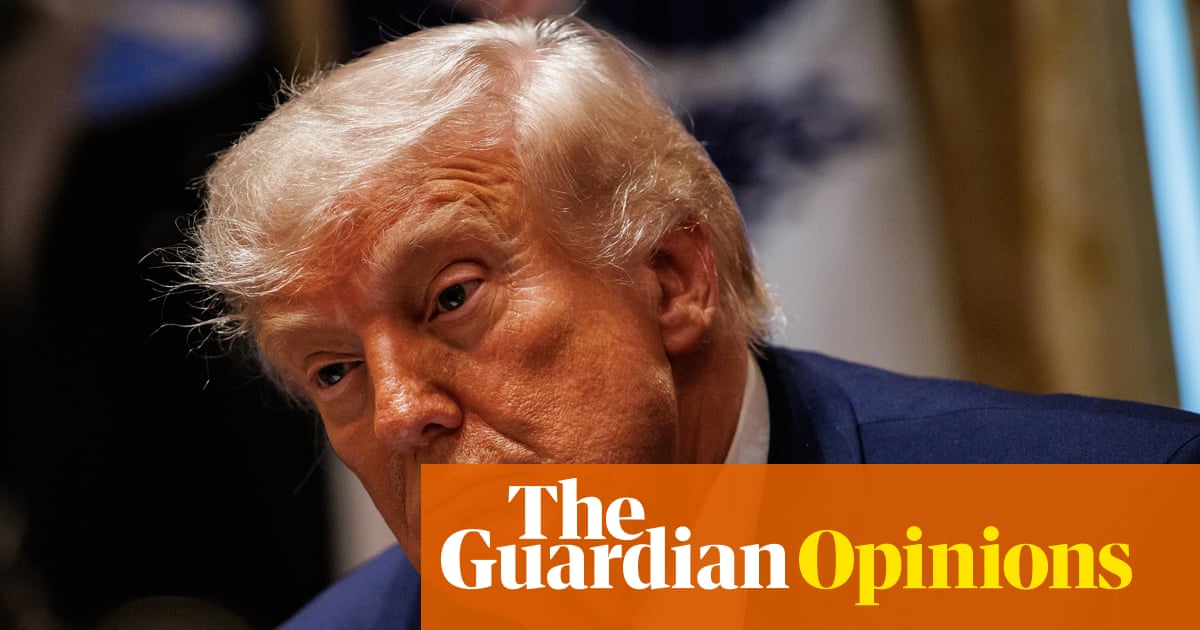
The piece argues that Trump started a war with Iran to force a quick win, but instead gave Tehran leverage over oil flows and global prices. That has pushed him toward a limited deal aimed at reopening shipping lanes and calming markets.
A president started a fight and then found out the other side had a big card to play: control over a busy sea road that oil ships need. When that road was blocked, gas got more expensive and the world economy felt shaky.
Now the president wants a deal to calm things down. But the article says the other side is stronger than before, so the deal is not about winning big. It is more like trying to stop the bleeding.
Think of it like a school tug-of-war where one team pulled too hard and slipped. The best result now may be to let go a little, fix the rope, and hope nobody gets hurt.
Analysis
What the article argues
Mohamad Bazzi says Trump is trying to end a war with Iran in a way that lets him claim victory before the conflict does more damage to the world economy and Republican prospects in the midterms. But the piece argues that Trump has boxed himself in by starting the confrontation and then failing to force a quick outcome.
Why leverage shifted to Iran
The article says Trump expected a fast military result, but Iran responded by striking US bases, targeting energy facilities in Gulf states, and closing the Strait of Hormuz. That matters because the strait carries a large share of global oil traffic. With shipping disrupted and infrastructure hit across the region, oil prices rose and average US gas prices jumped sharply.
The shape of the emerging deal
According to the article, the current draft deal focuses on stabilizing markets rather than solving the deeper political conflict. It would reopen the Strait of Hormuz to commercial traffic, lift the blockade on Iranian ports, and free up about $12bn in frozen assets. The piece says other hard issues are being pushed into later talks, including questions around weapons and military withdrawal. Bazzi frames this as a limited bargain that may calm energy markets in the short term, but leaves the underlying dispute unresolved.
Bottom line
The article presents Trump as a negotiator who wants the image of strength but is operating from weakness. In this account, Iran now has more bargaining power because it can still threaten oil flows, keep pressure on regional energy systems, and force the US to prioritize economic stability over a sweeping victory.
Key points
- Trump is described as trying to end a war with Iran before it damages the economy and election prospects.
- The article says his war strategy gave Iran more leverage, especially through control of the Strait of Hormuz.
- Disrupted oil shipping pushed up global oil prices and raised US gas prices.
- The emerging deal is framed as limited, focused on reopening shipping and stabilizing markets.
- Major political and military questions are being postponed to later talks.