Trump's latest memo puts 'most advanced AI in the world' into the military's hands
Trump signed a memo to speed advanced AI adoption across defense agencies and lock down systems used by the military.
Intelligence analysis by GPT-5.4 Mini
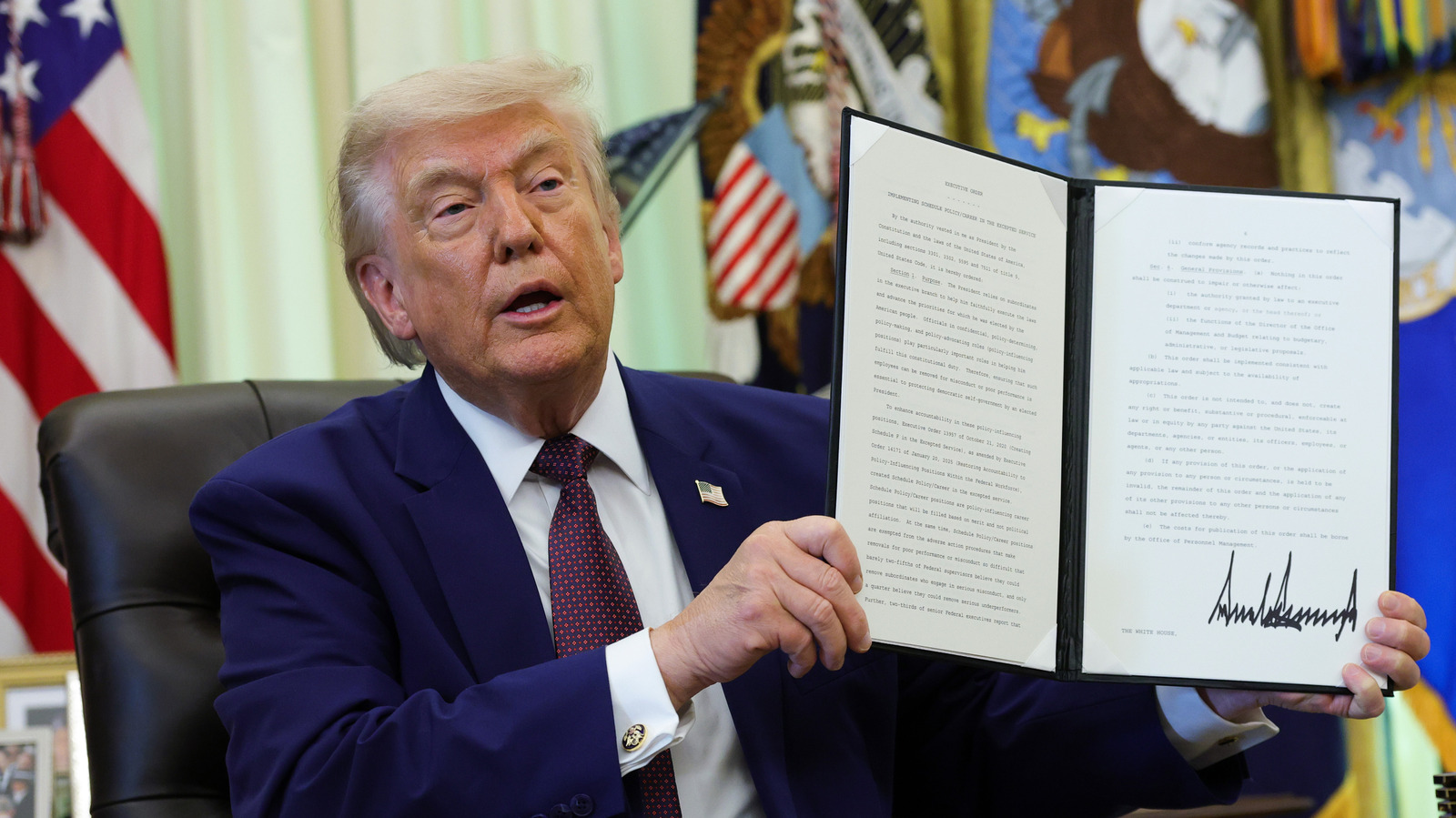
The memo directs the Pentagon and other defense agencies to bring in advanced AI faster, including commercial and open-source models. It also adds limits on modifying AI systems that warfighters rely on and tells the Defense Secretary to update rules on autonomous weapons.
The government is telling the military to get smarter computer tools faster, like giving soldiers better maps and radios. It also says companies cannot secretly change those tools once the military depends on them.
Analysis
What the memo does
President Trump signed a National Security Presidential Memorandum on Friday that pushes the US government to speed up AI adoption inside defense agencies. The order says the administration wants to bring in the best commercial and open-source technologies for military use and to rapidly onboard advanced models from multiple vendors.
What changes for defense AI
The memo also says the Secretary of Defense Pete Hegseth must issue an updated directive on autonomous weapon systems. In addition, it creates a new rule for AI models used by the government: no company, commercial or otherwise, can disable, degrade, or modify an AI system that American warfighters rely on without prior approval.
The stated limits
The administration says the government should not create or release AI models designed to censor free speech, embed ideological bias, or carry out unlawful surveillance against Americans. The article also notes that Trump’s executive order earlier in the week would give the US government a 30-day review window before public release of frontier models.
Why this is notable
The memo shows the administration trying to do two things at once: move faster on military AI and put boundaries around how those systems are controlled and reviewed. It also makes clear that the government wants access to leading models from multiple vendors, not just one source.
Key points
- Trump signed a National Security Presidential Memorandum focused on faster AI adoption in defense agencies.
- The memo calls for rapid onboarding of advanced AI models from multiple vendors, including commercial and open-source systems.
- Pete Hegseth is directed to update policy on autonomous weapon systems.
- The government says no one can disable, degrade, or modify military AI systems without prior approval.
- The memo says the government should not create or release AI that censors speech, embeds ideological bias, or conducts unlawful surveillance.
If it works as intended, defense agencies could get faster access to stronger AI tools that are better tested and more reliable. The memo’s limits on censorship, bias, and unlawful surveillance could also set a clearer line for how government AI is used.
The new rules could deepen concerns about AI being used in weapons and surveillance systems before safety questions are fully settled. The restriction on changing systems without approval may also make it harder to patch or improve tools quickly if problems appear.