Trump's nuclear deal with Saudi Arabia; a shift in traditional US policy in the Middle East?
The US nuclear deal with Saudi Arabia has been met with criticism from some who warn it could lead to the start of a nuclear arms race in the Middle East. The deal has been hailed as a victory for Saudi Arabia's Crown Prince Mohammed bin Salman, who has long sought a nucl…
Intelligence analysis by Llama
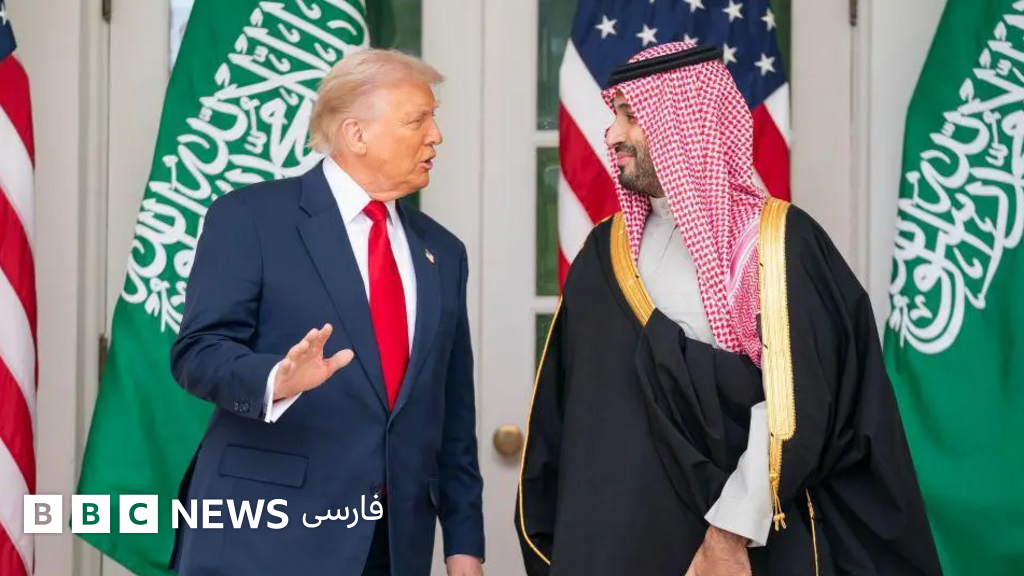
The US nuclear deal with Saudi Arabia has been met with criticism from some who warn it could lead to the start of a nuclear arms race in the Middle East. The deal has been hailed as a victory for Saudi Arabia's Crown Prince Mohammed bin Salman, who has long sought a nuclear agreement with the US.
Imagine you're playing a game of chess with your friend. You both have a lot of pieces on the board, and you're trying to outmaneuver each other. But then, your friend starts to build a new piece, a powerful one that can move around the board and attack your pieces. You might feel like you need to build a similar piece to stay competitive, and that's kind of what's happening in the Middle East with the US nuclear deal with Saudi Arabia. Other countries in the region might feel like they need to build their own nuclear capabilities to stay safe, and that could lead to a nuclear arms race.
Analysis
A Shift in US Policy in the Middle East
The US nuclear deal with Saudi Arabia marks a significant shift in US policy in the Middle East. For decades, the US has maintained a strong alliance with Israel and has sought to prevent the spread of nuclear weapons in the region. However, the deal with Saudi Arabia suggests that the US is willing to compromise on its non-proliferation goals in order to secure a strategic partnership with a key regional player.
The deal has been met with criticism from some who warn it could lead to the start of a nuclear arms race in the Middle East. The US has long been a strong advocate for non-proliferation and has worked to prevent the spread of nuclear weapons in the region. However, the deal with Saudi Arabia suggests that the US is willing to compromise on its non-proliferation goals in order to secure a strategic partnership with a key regional player.
The Implications of the Deal
The implications of the deal are significant. The US nuclear deal with Saudi Arabia could lead to a nuclear arms race in the Middle East, with other countries in the region seeking to develop their own nuclear capabilities. This could have serious consequences for regional stability and security.
The Role of Saudi Arabia's Crown Prince
The deal has been hailed as a victory for Saudi Arabia's Crown Prince Mohammed bin Salman, who has long sought a nuclear agreement with the US. The prince has been a key player in Saudi Arabia's foreign policy and has sought to strengthen the country's relationships with key regional players.
The Future of the Deal
The future of the deal is uncertain. The US and Saudi Arabia have agreed to a 90-day review period, during which time they will assess the deal's implications and make any necessary adjustments. However, the deal has already been met with criticism from some who warn it could lead to the start of a nuclear arms race in the Middle East.
Key points
- The US nuclear deal with Saudi Arabia has been met with criticism from some who warn it could lead to the start of a nuclear arms race in the Middle East.
- The deal has been hailed as a victory for Saudi Arabia's Crown Prince Mohammed bin Salman, who has long sought a nuclear agreement with the US.
- The implications of the deal are significant, and could lead to a nuclear arms race in the Middle East.
- The US and Saudi Arabia have agreed to a 90-day review period, during which time they will assess the deal's implications and make any necessary adjustments.
The US nuclear deal with Saudi Arabia could lead to increased cooperation between the US and Saudi Arabia on issues such as counter-terrorism and regional security. Additionally, the deal could lead to increased investment in Saudi Arabia's energy sector, which could help to diversify the country's economy and reduce its reliance on oil.
The US nuclear deal with Saudi Arabia could lead to a nuclear arms race in the Middle East, with other countries in the region seeking to develop their own nuclear capabilities. This could have serious consequences for regional stability and security.