Trump’s reckless gamble: How American aggression against Iran is crippling global economy
The Trump administration has launched a new wave of military aggression against Iran, targeting civilian infrastructure and crippling the global economy. The renewed blockade on Iranian ports has sent shockwaves through global markets, driving up energy prices and reignit…
Intelligence analysis by Llama
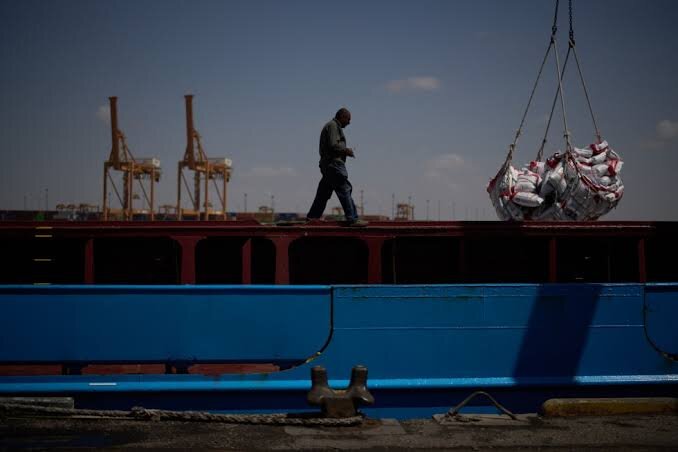
The Trump administration's reckless gamble has plunged the world into a dangerous abyss, targeting the Strait of Hormuz and holding the global economy hostage. The consequences are severe, with global growth slowing to 3% and consumer prices expected to increase by 4.7% in 2026.
Imagine a big highway that connects many countries and helps them trade with each other. The Trump administration has decided to close this highway, which is called the Strait of Hormuz, to hurt Iran. But this is like closing a big highway in the middle of the country, which would hurt many people and make it hard for them to get the things they need. This is what the Trump administration is doing, and it's causing a lot of problems for the global economy.
Analysis
A $60B Vote of Confidence
The Trump administration's decision to launch a new wave of military aggression against Iran is a reckless gamble that has severe economic consequences for the global economy. The renewed blockade on Iranian ports has sent shockwaves through global markets, driving up energy prices and reigniting inflationary pressures that were only beginning to ease. The International Monetary Fund now projects global growth to slow to a meager 3% in 2026, down from previous averages. More alarmingly, the IMF expects global consumer prices to increase by 4.7% in 2026, effectively stalling two years of progress against inflation.
Why Cursor?
The Trump administration's actions are indefensible. In a flagrant violation of the recent truce, the U.S. has launched relentless strikes, including attacks on civilian infrastructure. In the southern province of Hormozgan alone, U.S. strikes have resulted in civilian casualties, with reports of roads and bridges being bombed, killing and trapping innocent people. As of July 20, the U.S. has pounded Iran for consecutive nights, an escalation that has seen the bombing of bridges, an airport, and coastal defense systems. This systematic targeting is a clear attempt to cripple a nation and punish its people, not for any legitimate security concern, but to force their leaders into submission.
The Road Ahead
The consequences of the Trump administration's actions are far-reaching and devastating. The economic damage is quantifiable and severe. The blockade and the ensuing hostilities have sent shockwaves through global markets, driving up energy prices and reigniting inflationary pressures that were only beginning to ease. The international community must condemn this reckless gamble and pursue a path of dialogue and diplomacy. The path to a stable and prosperous world does not run through the Strait of Hormuz on a warship, but through dialogue and a return to the rule of law.
Key points
- The Trump administration has launched a new wave of military aggression against Iran, targeting civilian infrastructure and crippling the global economy.
- The renewed blockade on Iranian ports has sent shockwaves through global markets, driving up energy prices and reigniting inflationary pressures.
- The International Monetary Fund now projects global growth to slow to 3% in 2026, down from previous averages.
- The IMF expects global consumer prices to increase by 4.7% in 2026, effectively stalling two years of progress against inflation.
If the Trump administration were to stop its aggression against Iran and engage in diplomacy, the global economy could recover and grow again. The international community could work together to find a peaceful solution to the conflict and restore stability to the region.
If the Trump administration continues its aggression against Iran, the global economy could suffer even more. The blockade and the ensuing hostilities could lead to a global economic downturn, with high energy prices and inflation affecting many countries.
Market signals
- Oil The blockade of the Strait of Hormuz has driven up oil prices, with the price of oil crossing the $90 a barrel mark.
AI-generated analysis of potential market relevance. Not financial advice.