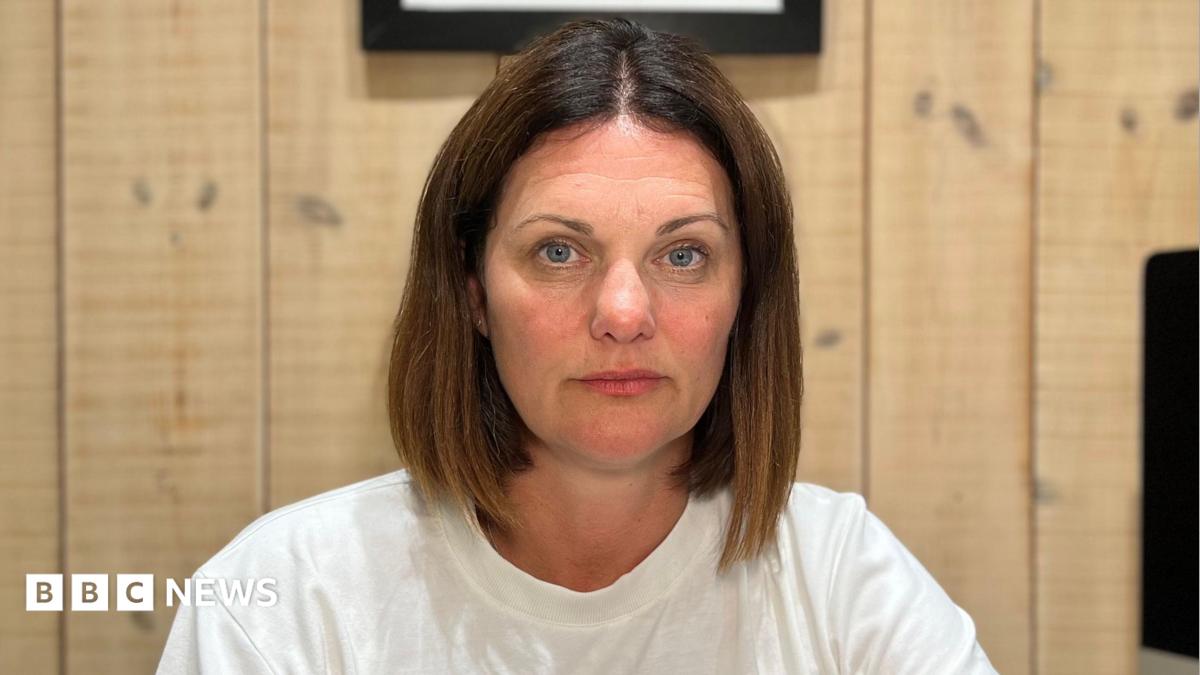
Tui faces scrutiny over E coli-linked death of baby after holiday in Egypt
A British baby died from an E coli-linked kidney condition after an Egypt holiday booked through Tui, prompting scrutiny over whether the company should have warned families.
Intelligence analysis by GPT-5.4 Mini
The Guardian says Tui is facing pressure over safety checks and warning practices after a one-year-old died and two other children were severely ill after staying at the same Egyptian hotel. The story raises questions about tour-operator responsibility, hotel risk, and what consumers are told before booking.
A little girl got very sick after a family holiday in Egypt, and doctors later said a germ called E coli was involved. She became so ill that she died, and her family says they did not know other children had got sick at the same hotel before they booked.
This matters because a travel company is supposed to help keep customers safe. If the same place keeps making people ill, people want to know why it was still being sold like normal.
It is a bit like if several kids kept getting hurt on the same playground, but families were not told. The big question is whether the adults in charge should have warned people sooner.
Analysis
What happened
The Guardian reports that Ariella Mann, aged one, died in January after falling ill with a kidney condition linked to E coli during an all-inclusive Tui package holiday at the Jaz Makadi Aquaviva hotel in Hurghada, Egypt. The article says she became unwell during the trip, was treated at the hotel clinic, returned to the UK in poor condition, and later died after being placed in intensive care.
Wider pattern at the same hotel
The story links her death to two earlier severe illnesses at the same resort. It says a six-year-old boy was admitted to intensive care in September 2025, and a two-year-old girl was airlifted to London in July 2024 and placed in an induced coma. All three children were diagnosed with haemolytic uraemic syndrome, a rare and serious kidney condition associated with E coli.
Pressure on Tui
The family and their lawyers argue that Tui should have warned customers about prior cases. The article says Tui still advertises holidays to the hotel, alongside other operators such as Thomas Cook and easyJet Holidays. Lawyer Jatinder Paul, from Irwin Mitchell, says he is examining whether more could have been done to prevent the illnesses and whether holidaymakers should have been alerted.
The piece also notes that Irwin Mitchell previously secured undisclosed settlements for 125 holidaymakers who became seriously ill at the same hotel in 2017, with many testing positive for bacterial infections including salmonella and E coli. That background makes the story less about one tragedy and more about whether repeated incidents point to a failure in how risks are monitored, disclosed, and acted on.
Key points
- Ariella Mann died after falling ill with an E coli-linked kidney condition during a Tui package holiday in Egypt.
- The Guardian says two other young British children were previously critically ill after staying at the same hotel.
- Families and lawyers argue Tui should have warned holidaymakers about earlier cases.
- Tui still advertises holidays to the Jaz Makadi Aquaviva hotel, according to the article.
- The story adds to existing legal pressure on tour operators over hotel safety and customer duty of care.