Tupac's murder was act of revenge, prosecutors allege in trial's opening day
Prosecutors in the trial of Duane 'Keffe D' Davis, accused of orchestrating the murder of Tupac Shakur, painted a picture of a revenge plot driven by gang rivalries and turf wars.
Intelligence analysis by Llama
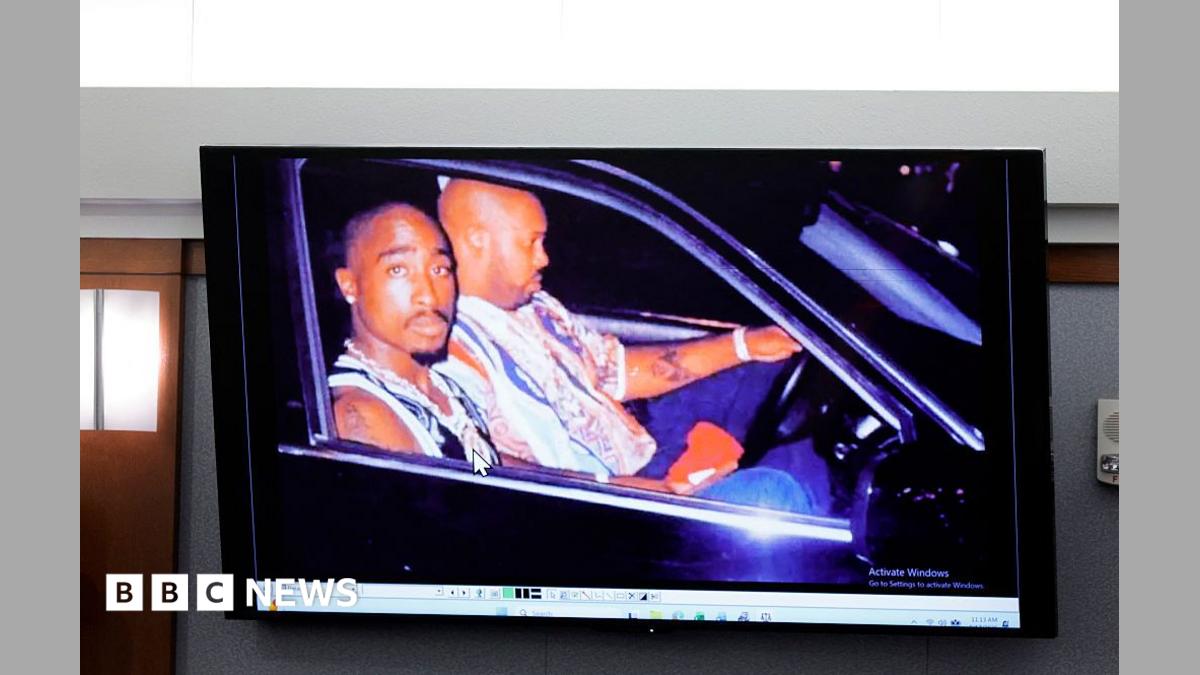
Prosecutors in the trial of Duane 'Keffe D' Davis, accused of orchestrating the murder of Tupac Shakur, painted a picture of a revenge plot driven by gang rivalries and turf wars. Davis, a former leader of the South Side Compton Crips street gang, allegedly planned the shooting after his nephew Orlando Anderson was involved in a fight with Shakur in Las Vegas hours earlier.
Imagine a world where gangs are like big groups of people who fight each other. Tupac Shakur was a famous rapper who got caught up in this world and was killed by someone who wanted revenge. The person who killed him is now on trial for his murder.
Analysis
The Revenge Plot Behind Tupac's Murder
The trial of Duane 'Keffe D' Davis, accused of orchestrating the murder of Tupac Shakur, has shed light on the complex web of gang rivalries and turf wars that led to the iconic rapper's death. Prosecutors have painted a picture of a revenge plot driven by Davis's desire for retaliation against Shakur, who had been involved in a fight with his nephew Orlando Anderson hours earlier.
The case has been decades in the making, with a lack of cooperation from witnesses and a flawed investigation leading to dead ends. However, the prosecution's case relies heavily on Davis's own statements, including a memoir he co-authored, which details the events of the night of the shooting.
The defence team has argued that the book is fiction and should not be used as evidence in a criminal trial. They have also pointed to missing police reports, disputed evidence, and 'biased, sloppy and incomplete' detective work.
The trial has brought to light the complex and often violent world of gang culture, which has had a profound impact on the music industry. The case has also raised questions about the role of law enforcement in addressing gang violence and the importance of cooperation from witnesses in solving crimes.
The Impact of Gang Violence on the Music Industry
The murder of Tupac Shakur was a devastating blow to the music industry, which was already reeling from the effects of gang violence. The case has highlighted the need for greater understanding and cooperation between law enforcement and the music industry in addressing the root causes of gang violence.
The Legacy of Tupac Shakur
Tupac Shakur was a talented rapper and social activist who left a lasting legacy on the music industry. His music continues to inspire and influence new generations of artists, and his message of hope and resilience has resonated with fans around the world.
The trial of Duane 'Keffe D' Davis has brought to light the complex and often violent world of gang culture, which has had a profound impact on the music industry. The case has also raised questions about the role of law enforcement in addressing gang violence and the importance of cooperation from witnesses in solving crimes.
Key points
- Duane 'Keffe D' Davis is accused of orchestrating the murder of Tupac Shakur
- The case relies heavily on Davis's own statements, including a memoir he co-authored
- The defence team has argued that the book is fiction and should not be used as evidence in a criminal trial
- The trial has brought to light the complex and often violent world of gang culture
- The case has raised questions about the role of law enforcement in addressing gang violence
If Duane 'Keffe D' Davis is found guilty of orchestrating Tupac Shakur's murder, it could bring closure to the families of those affected and help to reduce gang violence in the music industry. It could also lead to greater cooperation between law enforcement and the music industry in addressing the root causes of gang violence.
If Duane 'Keffe D' Davis is found not guilty, it could lead to further violence and retaliation from gangs, making it harder to address the root causes of gang violence. It could also undermine the efforts of law enforcement and the music industry to work together to prevent gang violence.