Turkish Radio and Television Supreme Council, Cinema Museum of Iran discuss mutual cooperation
A delegation from the Turkish Radio and Television Supreme Council visited the Cinema Museum of Iran in Tehran to discuss potential avenues for cooperation in cinema, research, education, and co-productions.
Intelligence analysis by Llama
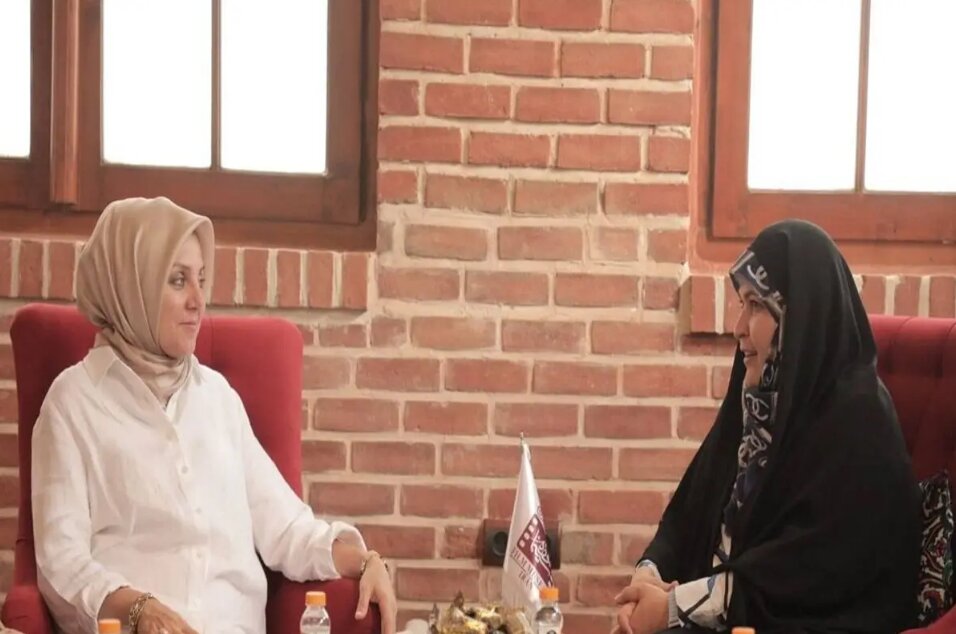
The Turkish delegation met with Fatemeh Mohammadi Sijani, Director General of the Museum, to discuss mutual cooperation in cinema, research, education, and co-productions. They toured various sections of the museum and examined a collection of historical artifacts, documents, equipment, and items significant to Iranian cinema history.
Imagine two countries, Iran and Turkey, wanting to work together to make better movies and learn from each other's experiences. They visited a special museum in Iran that has lots of old movie equipment and documents. They talked about how they can help each other make movies and learn from each other's mistakes. They even thought about starting a special school to teach people how to make good movies and understand the culture behind them.
Analysis
Historical Significance of Cinema in Iran
The visit by the Turkish delegation to the Cinema Museum of Iran marked a significant step towards developing cultural and cinematic cooperation between the two countries. The delegation was particularly fascinated by the history of Iranian cinema, with Feyza Gizligider noting that the arrival of cinema cameras in Iran, only five years after their invention, was a particularly fascinating aspect. This highlights the importance of preserving and showcasing the rich cultural heritage of Iranian cinema.
Expanding Cultural and Academic Collaborations
During the visit, the Turkish delegation emphasized the importance of expanding cultural and academic collaborations between the two countries. Feyza Gizligider noted that Turkey also possesses a cinema museum, but the Cinema Museum of Iran is a comprehensive and significant collection. She expressed hope for the development of academic ties between the Iran Cinema Museum and Turkish universities. This collaboration has the potential to lead to joint research projects, student exchange programs, and the exchange of expertise in media policy and content monitoring.
Joint Cinematic Projects
The meeting underscored vast opportunities for bilateral cooperation across various cinematic fields, including co-production, educational programs, student exchange, research collaboration, film analysis, and the exchange of expertise in media policy and content monitoring. The proposal to establish a "Kiarostami School" was raised as a potential pillar of educational and cultural cooperation. This school would provide specialized training to filmmakers, focusing on media literacy and film analysis. The establishment of film analysis sessions involving film students from both countries was also proposed as a key area for cooperation. This would enable direct dialogue and the exchange of cinematic perspectives between students, leading to effective and sustainable scientific and cultural engagement.
Key points
- The Turkish Radio and Television Supreme Council visited the Cinema Museum of Iran in Tehran to discuss potential avenues for cooperation in cinema, research, education, and co-productions.
- The delegation toured various sections of the museum and examined a collection of historical artifacts, documents, equipment, and items significant to Iranian cinema history.
- The proposal to establish a "Kiarostami School" was raised as a potential pillar of educational and cultural cooperation.
- The establishment of film analysis sessions involving film students from both countries was also proposed as a key area for cooperation.
- The meeting underscored vast opportunities for bilateral cooperation across various cinematic fields, including co-production, educational programs, student exchange, research collaboration, film analysis, and the exchange of expertise in media policy and content monitoring.
The potential for cultural and cinematic cooperation between Iran and Turkey is vast, with opportunities for joint research projects, student exchange programs, and the exchange of expertise in media policy and content monitoring. The establishment of a "Kiarostami School" could provide specialized training to filmmakers, focusing on media literacy and film analysis. This could lead to the production of high-quality films that showcase the cultural and artistic capacities of both nations.
However, there are also challenges to be addressed, such as the need for both countries to have a clear understanding of each other's cultural and artistic values. Additionally, the proposal to establish a "Kiarostami School" may face resistance from some quarters, particularly if there are concerns about the potential impact on the local film industry.