Twitch users can now block Amazon from using their content to train AI
Twitch is now allowing users to opt out of a default setting that permits Amazon to use their content, including streams, clips, and chats, for training its generative AI models. This announcement confirmed Amazon's use of user data, leading to widespread user backlash.
Intelligence analysis by Gemini 2.5 Flash
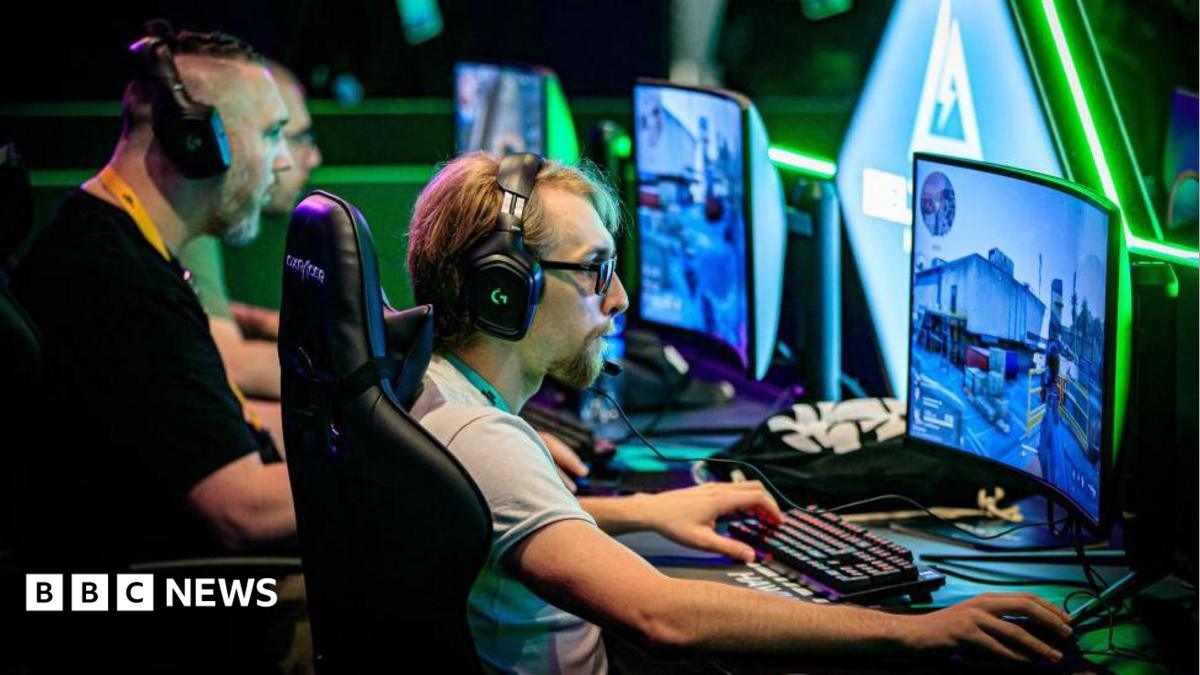
Popular streaming platform Twitch has introduced an opt-out option for users who do not want their content used by parent company Amazon to train its generative AI models. The move comes after widespread user criticism following the confirmation that Amazon was already utilizing Twitch content for AI development, a practice Twitch's chief product officer admitted few would opt into if…
Imagine you're building with LEGOs, and you put all your cool creations on a big table. Now, a giant company that owns your LEGOs wants to take pictures of all your creations to teach a robot how to build new things, even if it's your unique design. Twitch, a place where people share their videos, is letting its owner, Amazon, do this with their videos to teach its smart computer programs. But now, if you don't want your LEGO creations (or videos) used, you can tell them "no thanks!" in your settings, even though they started doing it without asking first.
Analysis
The recent announcement by Twitch, a major livestreaming platform owned by Amazon, that it will allow users to opt out of having their content used for training generative AI models, underscores a critical juncture in the evolving digital economy. This development confirms that Amazon has been leveraging user-generated content from Twitch for its AI initiatives, a practice that has become an industry standard but has also ignited significant user backlash.
Amazon
Amazon's strategy to utilize Twitch content for AI training reflects its aggressive push into the generative AI space, aiming to compete with other technology giants like Google and Meta. The company, which acquired Twitch in 2014, runs a host of AI services and has heavily invested in their development, viewing user data as a valuable asset for refining its models. This approach highlights the economic imperative for large tech firms to acquire and process vast datasets to maintain a competitive edge in the rapidly advancing AI sector.
The confirmation of Amazon's data collection practices, however, has sparked considerable criticism from Twitch users, who expressed concerns about their creative output being used without explicit consent. This tension between corporate AI development needs and individual data rights is a recurring theme in the digital age, forcing companies to balance innovation with user trust and privacy expectations. The introduction of an opt-out mechanism, while a step towards user control, also reveals the underlying default assumption that user content is available for AI training unless specified otherwise.
Mike Minton
Twitch's chief product officer, Mike Minton, candidly addressed the default nature of the AI training data collection, stating that "If it's opt-in, nobody would opt-in. That's the honest answer." This admission highlights the challenge companies face in securing user consent for data utilization, particularly for purposes like AI training that may not be immediately apparent or beneficial to the user. The default opt-in model, while common across many content services, often leads to a significant portion of users unknowingly contributing their data.
Minton also clarified that the collected data would not be re-sold to other companies, attempting to assuage some privacy concerns. However, he admitted uncertainty regarding when Amazon began collecting data and what specific content had already been used for model training. This lack of transparency about past practices further fuels user distrust and emphasizes the need for clearer communication and more robust data governance policies from platforms.
Mary Kish
Mary Kish, Twitch's head of community, played a role in guiding users through the process of disabling generative AI training via their channel settings. Her involvement underscores the platform's attempt to address user concerns directly, even as she acknowledged that users would likely not react favorably to the news. Kish's statement that data collection for AI training has become an "industry standard" frames the practice as a widespread norm, rather than an isolated decision by Twitch or Amazon.
This framing, however, does not diminish user frustration, with many viewers in the stream's chat column criticizing the move and suggesting Twitch had an "opportunity to set an industry standard" to push back against such data collection. The user sentiment reflects a growing demand for platforms to prioritize user agency and creativity over the unbridled pursuit of AI development, potentially influencing future regulatory discussions around data rights and AI ethics.
Key points
- Twitch now allows users to opt out of having their content used by Amazon for generative AI model training.
- The announcement confirmed Amazon's practice of using Twitch streams, clips, images, and chats for AI development.
- Twitch's chief product officer, Mike Minton, stated that an opt-in system would result in 'nobody' participating.
- The move has generated significant backlash from users concerned about their creative content being used without explicit consent.
- Data collection for AI training is described by Twitch as an 'industry standard' practice.
The introduction of an opt-out option provides users with a degree of control over their content, potentially setting a precedent for other platforms to offer similar choices regarding AI training data. This could lead to increased user trust and more transparent data policies across the tech industry, empowering creators to decide how their digital contributions are utilized.
Despite the opt-out feature, the default setting means that a vast majority of Twitch users' content will likely continue to be used for Amazon's AI training, as many users may not be aware of or bother to change the setting. This could perpetuate a system where user data is passively harvested for corporate AI development, potentially stifling individual creativity if creators feel their work is being exploited.